Sticking to healthy eating habits can be challenging—especially on a keto diet. After a long day, the last thing most people want to do is cook a meal from scratch. That’s where keto meal prep helps: it reduces cravings and makes staying on plan much easier.
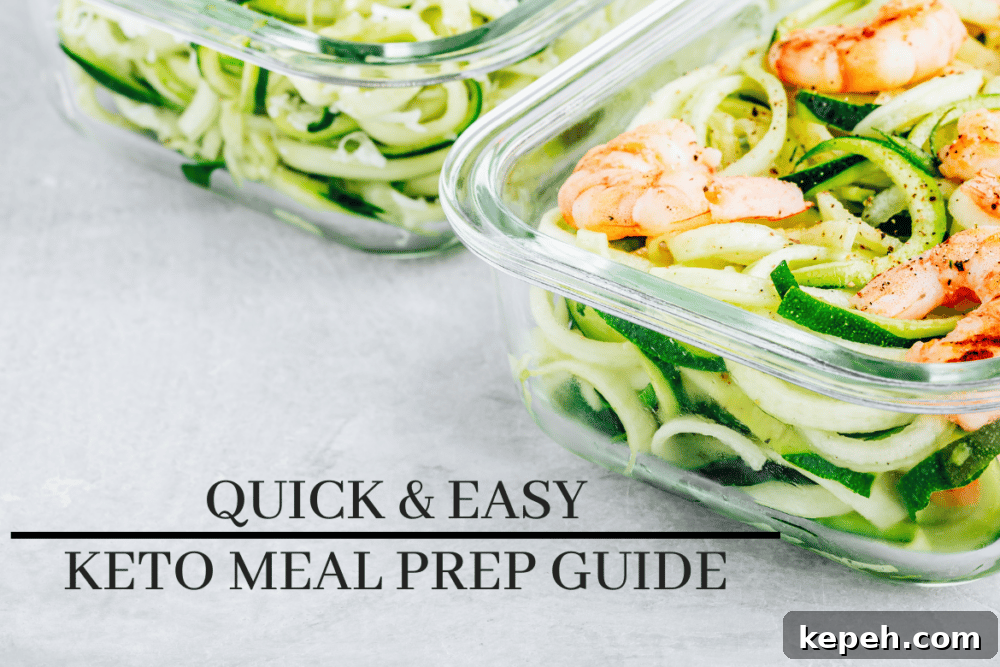
Meal prepping for keto may seem intimidating if you’re worried about maintaining macronutrient ratios or choosing the right foods. In practice, it’s straightforward and highly effective. Below is a practical, week-long keto meal prep guide, tips to simplify the process, and a list of staples to keep on hand so you can start with confidence.
I’ll walk you through a full week of keto meal prep, share recipe ideas, and offer tips to get started—read on.
Note: This guide aims to keep keto simple and practical. Save it for later if you want to revisit recipes or strategies, and reach out if you have questions.
Keto Meal Prep Tips Before You Get Started
Prepping a week of keto meals can feel daunting if you’re not organized, but the time invested upfront saves hours and reduces stress during the week. Use these tips to streamline your prep and stay motivated.
Make a plan, but stay flexible. A menu doesn’t have to be rigid. If plans change—say a friend invites you to dinner—enjoy the occasion and freeze or save your prepped meal for later.
Know what you like to eat. Focus on keto-friendly foods you enjoy. Personalizing your meals makes the plan sustainable and helps avoid food fatigue.
Be open to trying new recipes. Meal prep is an opportunity to experiment with dishes you might not have time for during a busy week.
Cook proteins in advance. Prepare meats, poultry, and fish ahead of time and store them in portioned containers to speed up meal assembly.
Relax and be patient. Meal prep becomes easier with practice. A little planning reduces cravings and makes healthy choices more convenient.
Reminder: Stay Within Keto Ratios
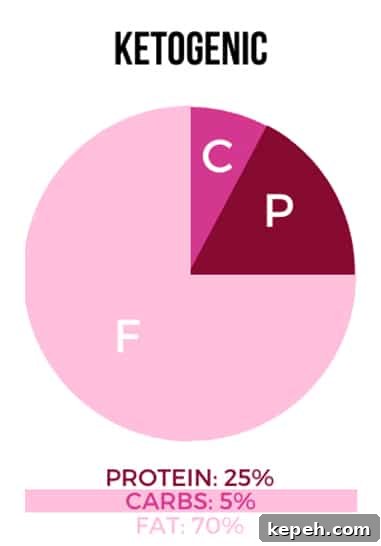
Keto macronutrient ratios generally fall in ranges of roughly 65–90% fat, 5–25% protein, and 4–10% carbs. If you’re unsure which ratios suit you best, consult a healthcare professional. Once you know your target ratios, prepping meals helps you maintain them consistently.
Ingredients to Stock Up On for Keto Meal Prep
Identify the staple foods you use most often and keep them stocked. A well-organized pantry, fridge, and freezer make meal prep easier and reduce the risk of reaching for non-keto options.
Do I Need Weird Foods for Keto?
Keto focuses on meats, eggs, dairy, low-carb vegetables, and plant-based fats. If you enjoy classic meals—steak and salad, eggs, salmon and roasted veggies, or dark chocolate—you’ll find keto options familiar and satisfying rather than odd.
Pantry Essentials
- High-quality oils: Extra virgin olive oil, coconut oil, and avocado oil for cooking, dressing, and flavor.
- Canned goods: Canned meats and vegetables can be handy—choose options with no added sugar or high-carb ingredients.
- Spices and seasonings: Salt, pepper, garlic powder, chili powder, basil, and keto-friendly sweeteners like monk fruit, stevia, or erythritol if you use them.
- Chocolate: Keep low-sugar or sugar-substituted chocolate for baking or an occasional treat.
- Snacks: Shelf-stable keto snacks are convenient—always check ingredient lists and nutrition facts.
Fridge and Freezer Staples
- Meats: Keep a variety of minimally processed meats: beef, pork, chicken, turkey, lamb, fish, etc.
- Eggs: Versatile and keto-friendly—store in the fridge and use within recommended times.
- Dairy: Butter, cheese, cream cheese, heavy cream, yogurt or kefir if tolerated, and keto-friendly frozen treats.
- Low-carb vegetables: Broccoli, cauliflower, leafy greens, peppers, eggplant, garlic, and cabbage.
- Low-carb fruits: Berries, avocados, coconut, and starfruit in moderation.
- Nuts and seeds: Almonds, walnuts, pecans, pumpkin seeds, flax, chia, and hemp seeds—store in the fridge for freshness and enjoy in moderation.
What Do I Need to Prep Keto Meals?
Beyond ingredients, a few tools make meal prep easier:
- Recipes: Gather a variety of recipes to avoid repetition and plan meals that fit your macros.
- Pots, pans, and baking dishes: A basic skillet and a few baking dishes cover most needs.
- Food storage containers: Microwave-safe glass or plastic containers with lids—preferably compartmentalized and stackable.
- Knives and utensils: A quality chef’s knife, cutting boards, spatulas, and serving spoons.
- Food processor or blender: Useful for sauces, smoothies, and purees.
Optional but Useful Tools
- Instant Pot or slow cooker: Great for hands-off batch cooking.
- Air fryer: Makes crispy snacks like cheese chips or crispy veggies.
- Hand mixer or immersion blender: Handy for blending hot foods and minimizing dishes.
- Spiralizer: Turn zucchini and other vegetables into noodle alternatives.
Example Keto Meal Prep: One Week
Here is a simple 7-day example you can adapt. Swap recipes and portions to fit your macro goals.
Monday
- Breakfast: Scrambled eggs, keto muffins
- Lunch: Italian wrap (keto version)
- Dinner: Beef chili (keto-style)
- Snack: Pork rind nachos
Tuesday
- Breakfast: Keto cereal
- Lunch: Pesto chicken salad with chaffles
- Dinner: Pot roast with roasted carrots and broccoli
- Snack: Sweet and spicy nut mix
Wednesday
- Breakfast: Chicken burrito (keto version), fresh berries
- Lunch: Cheeseburger casserole with green salad
- Dinner: Pork tenderloin
- Snack: Chocolate crackers or fat bomb
Thursday
- Breakfast: Fried egg, cacao protein shake
- Lunch: Mediterranean-style lunch bowl
- Dinner: Soft taco casserole with salad
- Snack: Ham pinwheels
Friday
- Breakfast: Hearty “mountain man” breakfast
- Lunch: Caprese salad and air-fryer salmon
- Dinner: Mexican chicken with sautéed peppers and onions
- Snack: Avocado boats
Saturday
- Breakfast: Cinnamon chaffles
- Lunch: Microwave keto pizza and salad
- Dinner: Meatball parmesan casserole with roasted Brussels sprouts
- Snack: Keto smoothie
Sunday
- Breakfast: Elegant brunch-style meal
- Lunch: Prepared chicken, tuna, or egg salad
- Dinner: Zucchini fritter chaffles
- Snack: Protein-packed keto ice cream
Best Keto Recipes for Meal Prepping
Mix and match breakfast, lunch, dinner, snacks, and desserts from a rotating list of recipes to keep variety and stay on track.
Breakfast
- Breakfast muffins with sausage
- Chia pudding
- Spinach, mushroom, and feta crustless quiche
- Almond flour waffles
- Low-carb breakfast pizza
Lunch
- Creamy Tuscan chicken with cauliflower rice
- Shrimp avocado salad
- Garlic butter salmon with asparagus
- Cauliflower and broccoli ham salad
- Sausage cauliflower fried “rice”
Dinner
- Broiled chicken with artichokes
- Garlic butter steak
- Lemon pepper fish with mushrooms
- California-style burger wraps
- Blue cheese pork medallions
Snacks and Desserts
- Sugar-free coconut bites
- Savory spiced pecans
- Bacon-wrapped chicken bites
- Crispy jalapeño cheese crackers
- Cheesy bacon-stuffed mini peppers
- Keto avocado brownies and other low-carb desserts
Best Ways to Package and Reheat Your Keto Meals
Use microwave-safe glass or plastic containers with tight lids. Compartmentalized and stackable containers save space and make meals grab-and-go. Reheat directly in microwave-safe glass containers, or transfer plastic-stored meals to an oven-safe dish before baking. For stovetop reheating, use a pan and add a splash of water or broth if needed.
How to Keep Keto Food Good for Longer in the Fridge or Freezer
Follow these tips to maximize freshness:
- Maintain proper temperatures: Fridge 35–38°F, freezer around 0°F or below.
- Don’t wash produce until use: Washing accelerates spoilage.
- Keep original packaging when appropriate: Unopened meat and dairy often last longer in their original packaging.
- Don’t refreeze defrosted food: Refreezing reduces quality and increases spoilage risk.
- Use lemon juice to prevent browning: Works well for cut fruit and avocados.
- Store produce properly: Keep leafy greens in airtight containers lined with paper towels to absorb moisture.
What Not to Freeze
- Lettuce: Freezing ruins texture.
- Cooked eggs: Become rubbery after freezing.
- Vegetables meant to be eaten fresh: They get watery once thawed.
- Coffee: Loses flavor when frozen.
- Fresh avocados: Turn mushy and brown when thawed.
- Canned goods: No need to freeze; liquids expand and can damage cans.
Is There Anything I Can Prep Monthly?
You can meal prep for a month by creating freezer-friendly, TV-dinner-style meals. Cooked meats and vegetables that will be reheated tend to freeze well when packaged properly. However, fresh dairy, produce intended to be eaten raw, and certain eggs are best prepared and consumed within shorter timeframes.
Ingredients Best Used Fresh
- Dairy: Most dairy should be refrigerated and used within a couple of weeks.
- Fresh produce: Raw fruits and vegetables don’t store well for long periods.
- Eggs: Store raw eggs in the fridge and use cooked eggs within a few days.
Why Keto Meal Prep Matters
- Convenience: Prepping saves time—grab and reheat instead of cooking nightly.
- Less temptation: Having planned meals and snacks makes it easier to resist non-keto options.
- Better choices: When healthy options are ready, you’re more likely to eat well and try new recipes.
Keto Meal Prep: Super Easy!
Meal prepping can seem intimidating at first, but with practice it becomes a routine that saves time, reduces stress, and supports consistent keto results. Try a short prep session this week and see how much easier your meals become.
PIN FOR LATER!