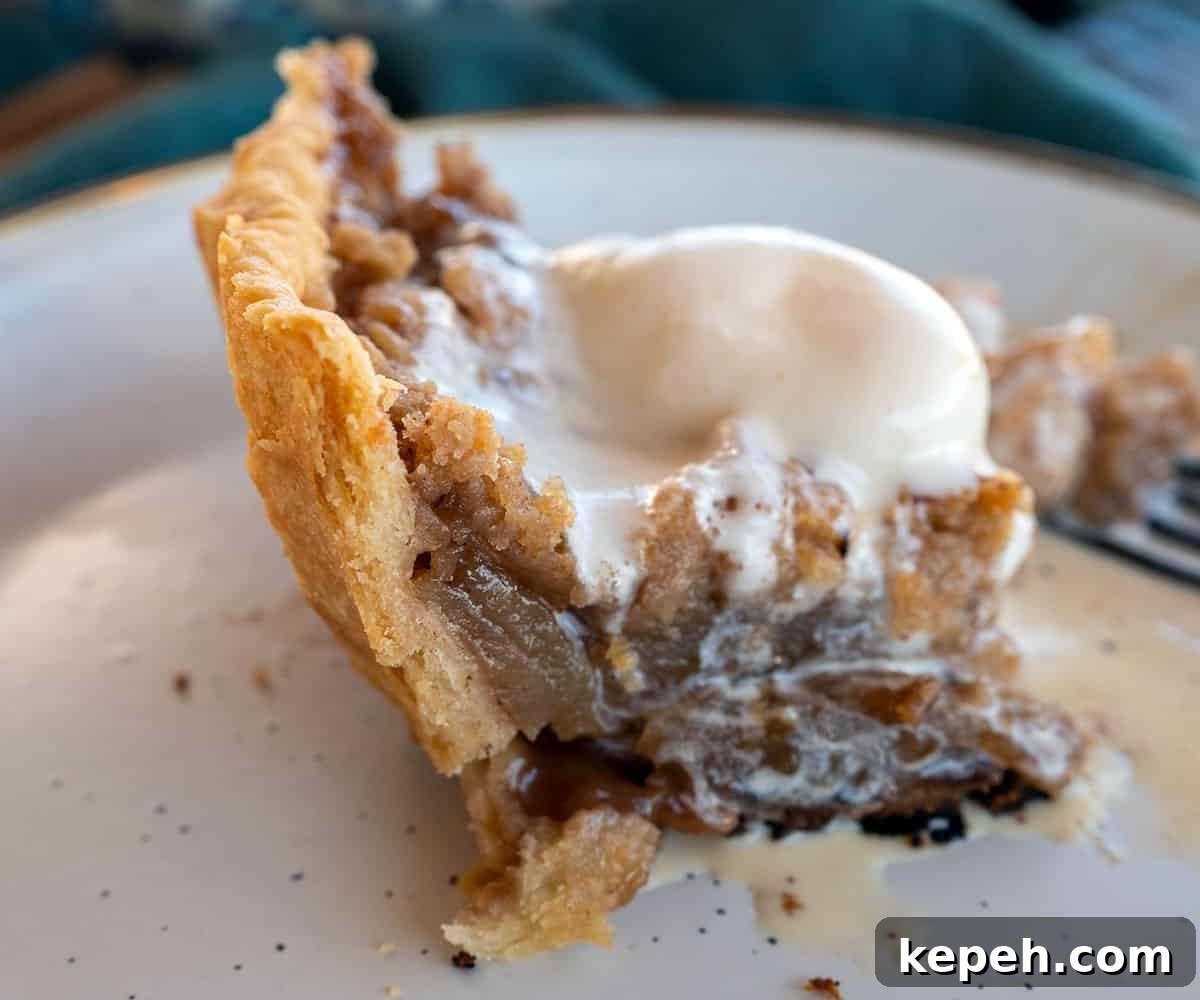
The best pies balance a tender, flaky crust with a flavorful filling. This flaky homemade pie crust recipe is ideal for fruit pies, custard pies, chicken pot pies and quiches.
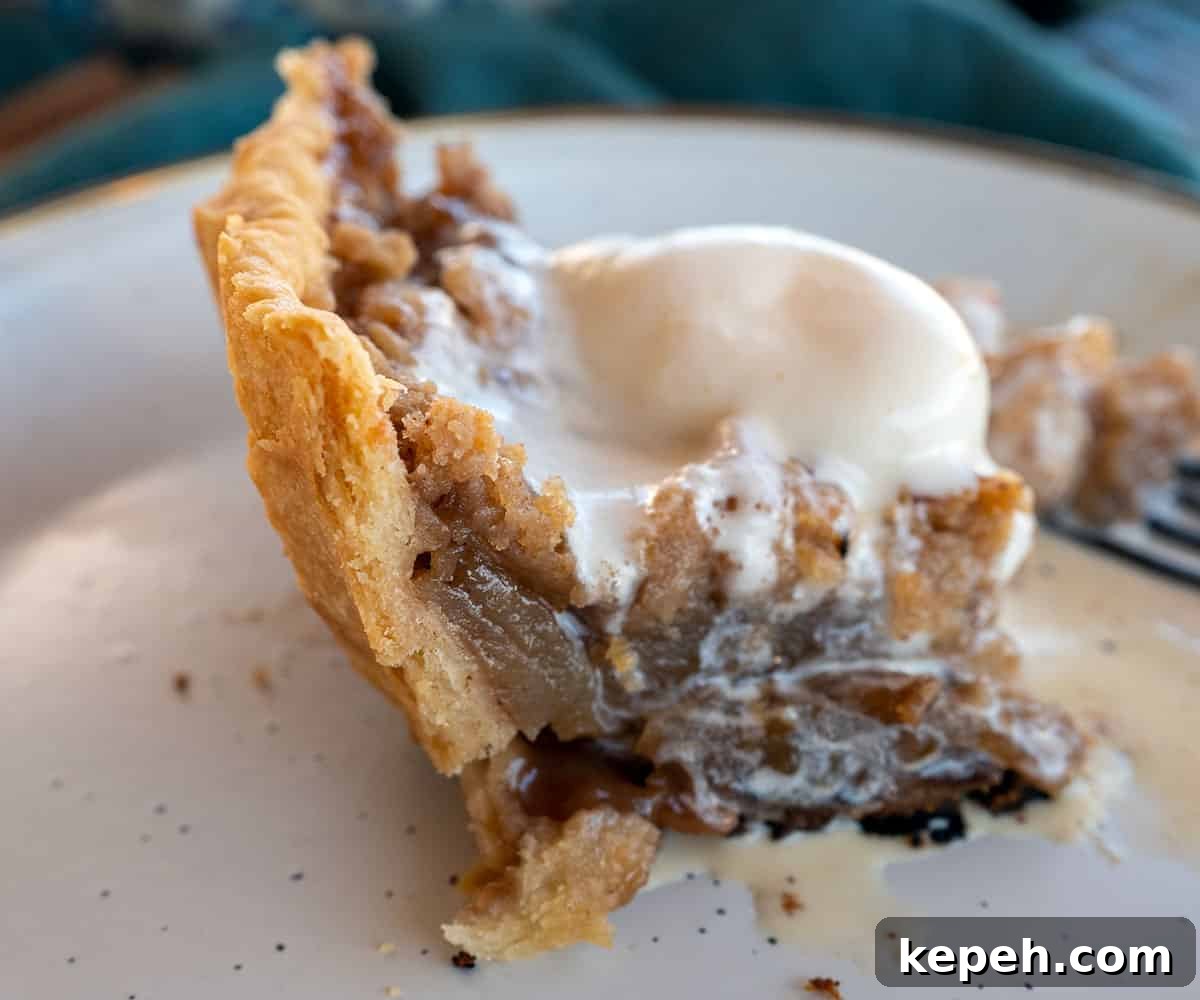
Table of Contents
- What’s the secret to flaky pie crust
- What I learned at Le Cordon Bleu in Paris
- Ingredients
- How to make flaky pie crust
- How to use the pie crust
- Storage
- Frequently Asked Questions
- Pie Recipes Made with Flaky Pie Crust
- The Best Flaky Pie Crust for Sweet and Savory Pies Recipe
What’s the secret to flaky pie crust
Pastry relies on both technique and the right fats. Some bakers use all butter, others prefer vegetable shortening, and some add spirits like vodka to tighten the dough. My go-to for an exceptionally flaky crust is to include beef tallow.
Rendered animal fats have been used in baking for centuries because they produce a rich texture and deep flavor. Beef tallow has a consistency similar to shortening and contributes a savory richness without tasting like meat. Used alongside shortening or alone, it creates crisp, layered pastry.
PRO TIP: Rendered beef fat is called tallow, rendered pork fat is called lard and rendered chicken fat is called schmaltz.
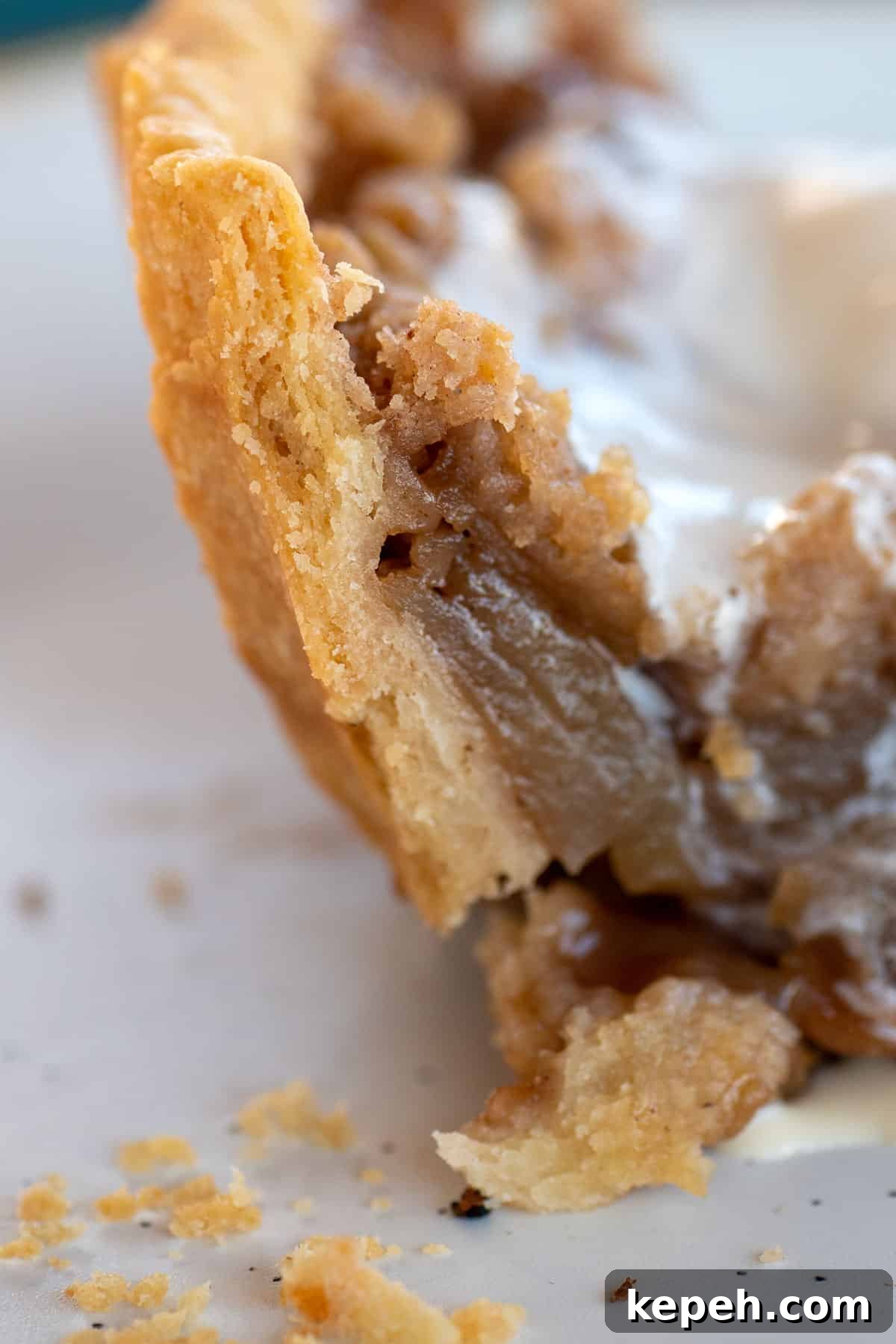
Keeping the dough cold is equally important. If the fat warms and blends into the flour before baking, the dough becomes dense. Cold fat stays solid until the oven’s heat melts it, producing steam pockets that form flaky layers. Because tallow and shortening can be softer at room temperature, I always chill the dough for at least an hour before rolling and baking.
What I learned at Le Cordon Bleu in Paris
While studying in Paris I learned two enduring lessons: use the best ingredients you can afford, and weigh dry ingredients for consistency. A measuring cup can produce different results depending on how you scoop flour, while a scale delivers the same amount every time. Professional bakers rely on weights for predictable outcomes.
Ingredients
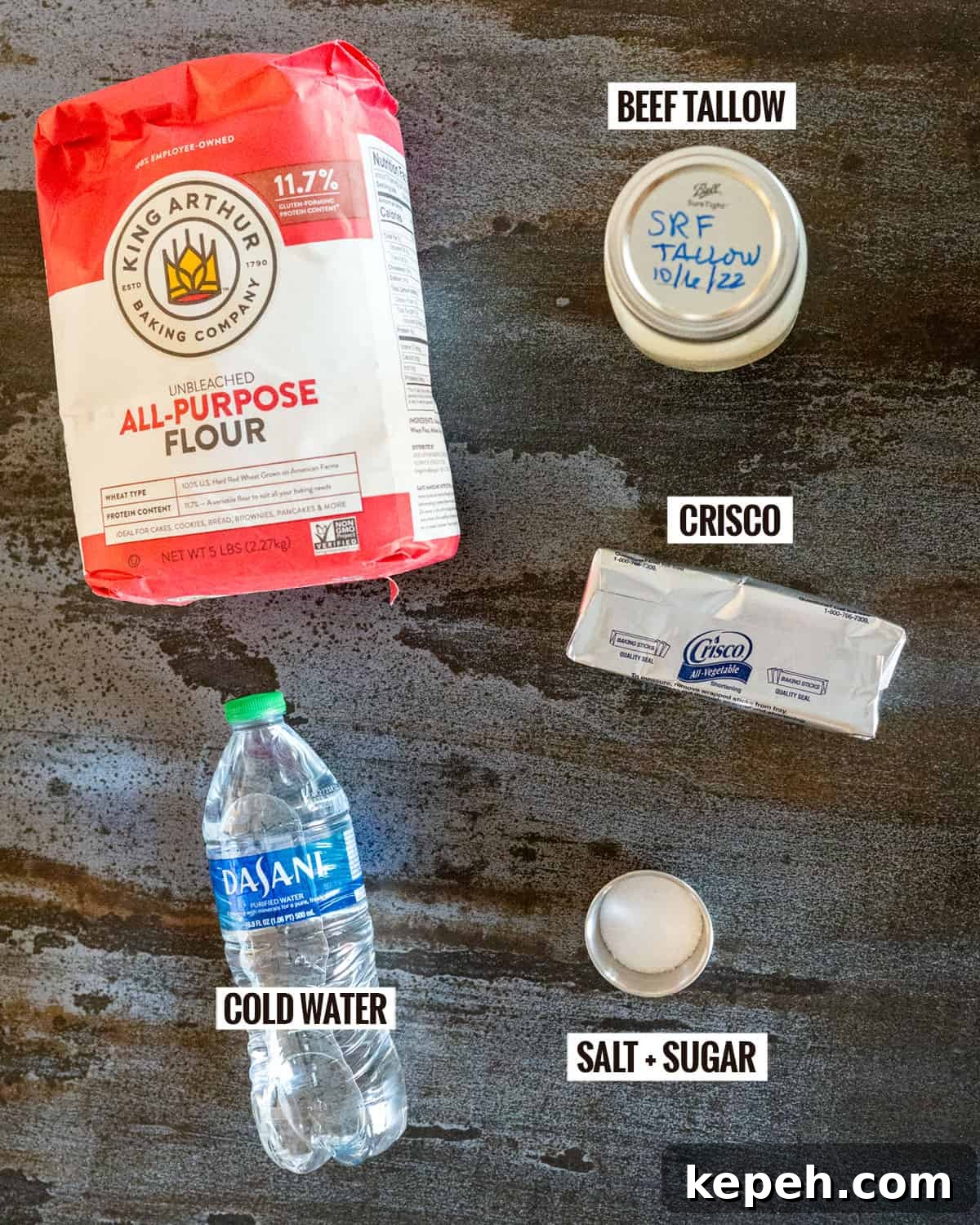
- Crisco Shortening: I prefer the stick form for easier measuring, but tub shortening works fine. It’s a vegetable fat useful for flaky texture.
- Beef Tallow: You can render tallow from beef trimmings or buy it at many stores. It adds richness and helps create a flaky structure.
- All Purpose Flour: This recipe uses all-purpose flour. If you try other flours, expect to adjust the amount slightly.
- Granulated Sugar: A small amount improves browning and adds subtle sweetness.
- Salt: Table salt is recommended for accurate seasoning; kosher salt can be used but the weight differs.
- Cold Water: Add 5–7 tablespoons as needed to bring the dough together without making it wet.
Substitutions: If beef tallow isn’t available, lard or all vegetable shortening can be used instead.
How to make flaky pie crust
- STEP ONE: In a large bowl, combine the shortening, tallow, flour, sugar and salt. Use a pastry cutter or two forks to cut the fats into the flour until you have pea-sized clumps. A food processor can also speed this step.
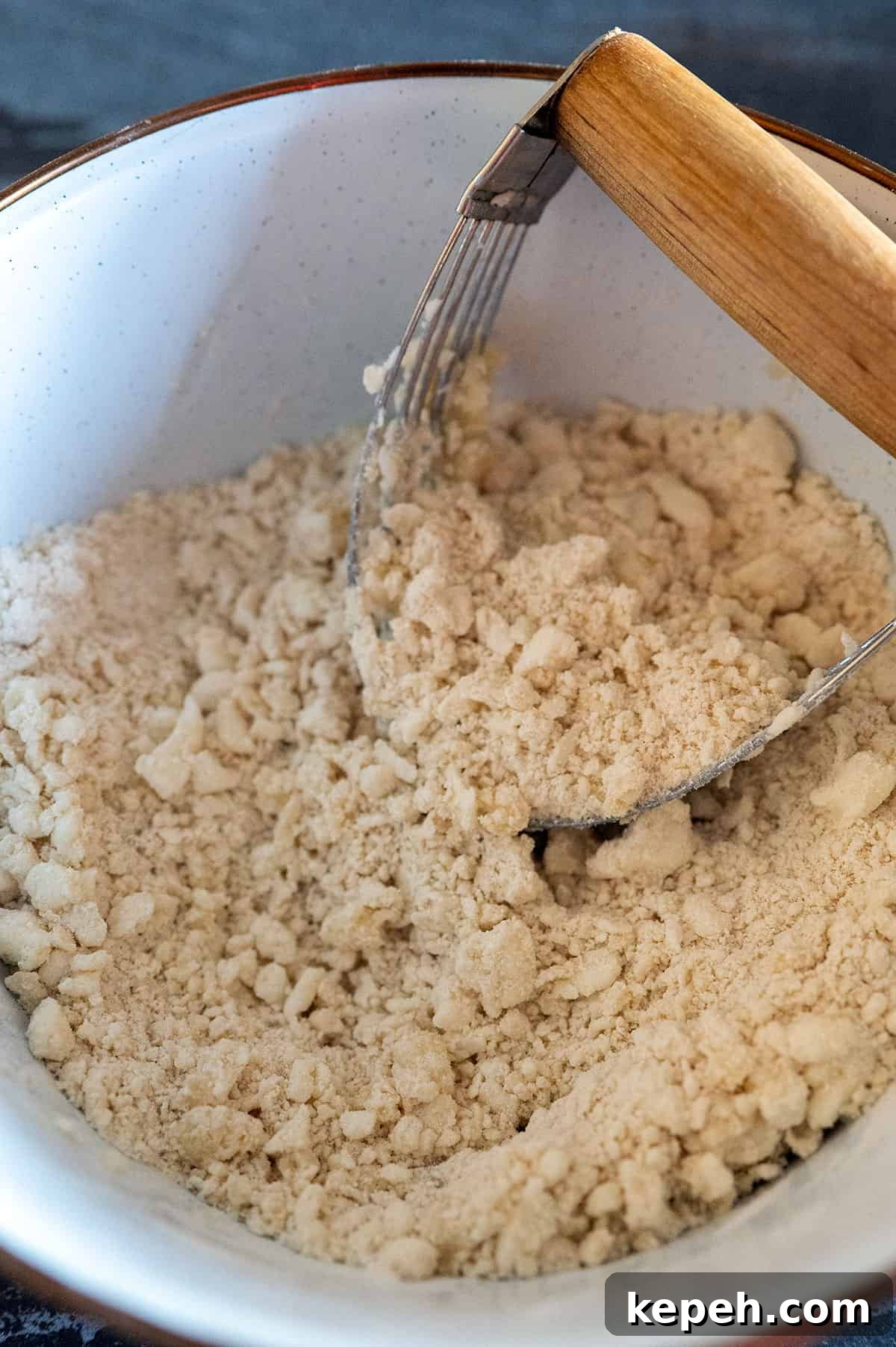
PRO TIP: A pastry cutter helps break fats into the flour while preserving little parcels of fat that create flakiness.
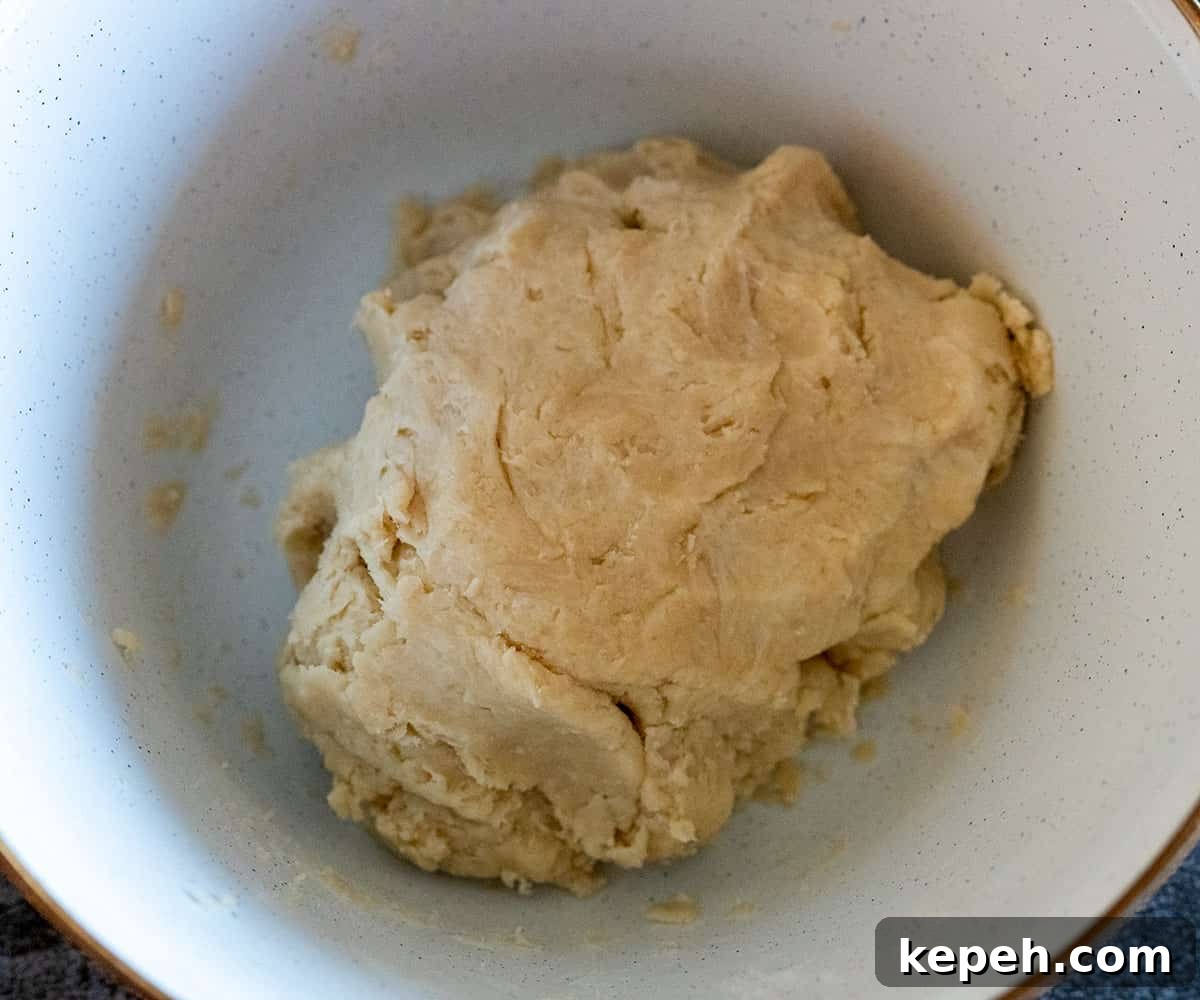
- STEP TWO: Sprinkle cold water in, one tablespoon at a time, just until the dough holds together and doesn’t crack when pressed. Avoid over-hydrating; the dough should be cohesive but not sticky.
- STEP THREE: Form the dough into a flat disc, wrap tightly in plastic, and chill for at least one hour. Chilling solidifies the fat and improves texture.
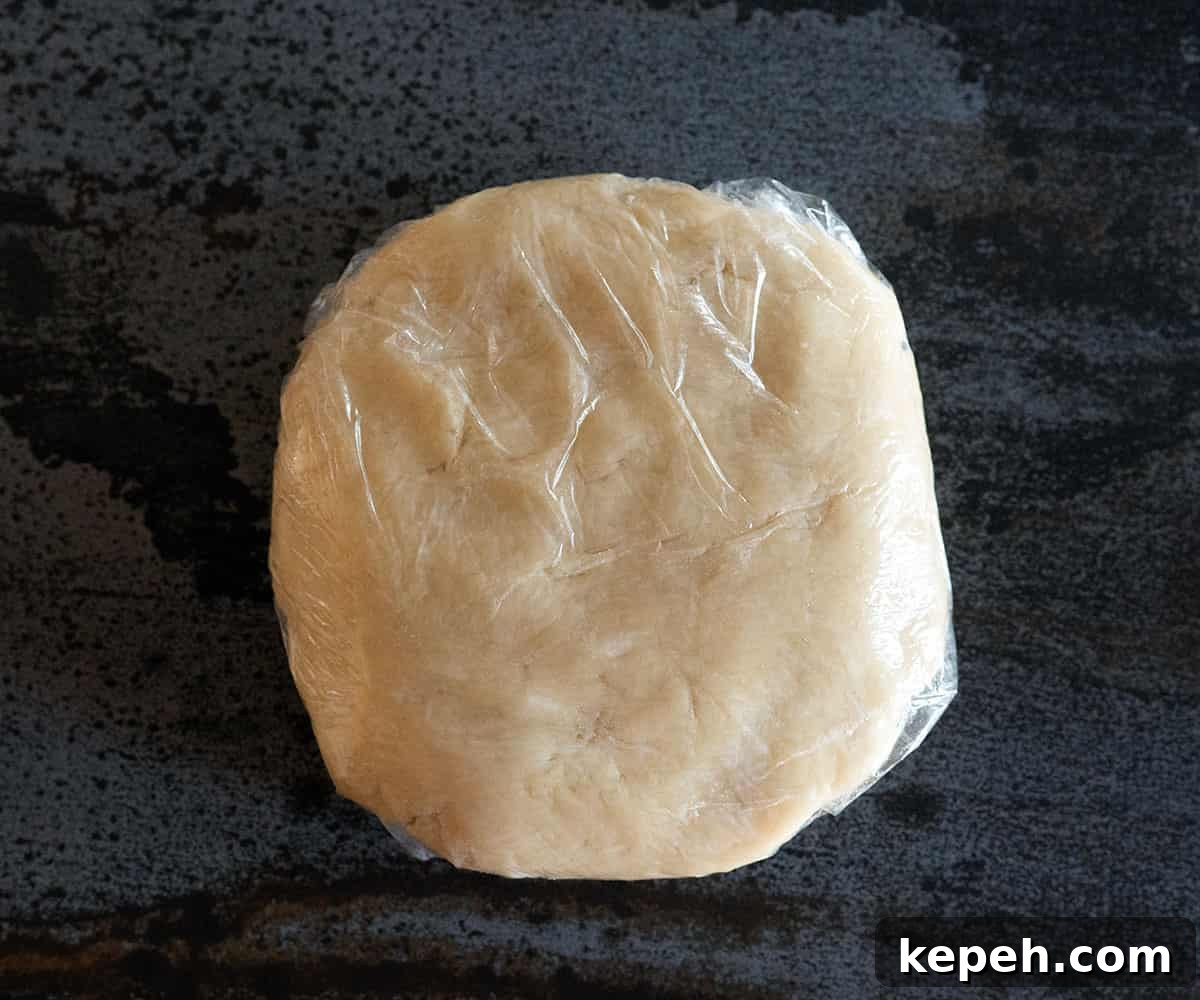
PRO TIP: Chilling is essential so the fat stays cold until baking; this produces the flakiest layers.
How to use the pie crust
When ready, remove the chilled disc from the refrigerator. It may feel slightly tacky—that’s normal.
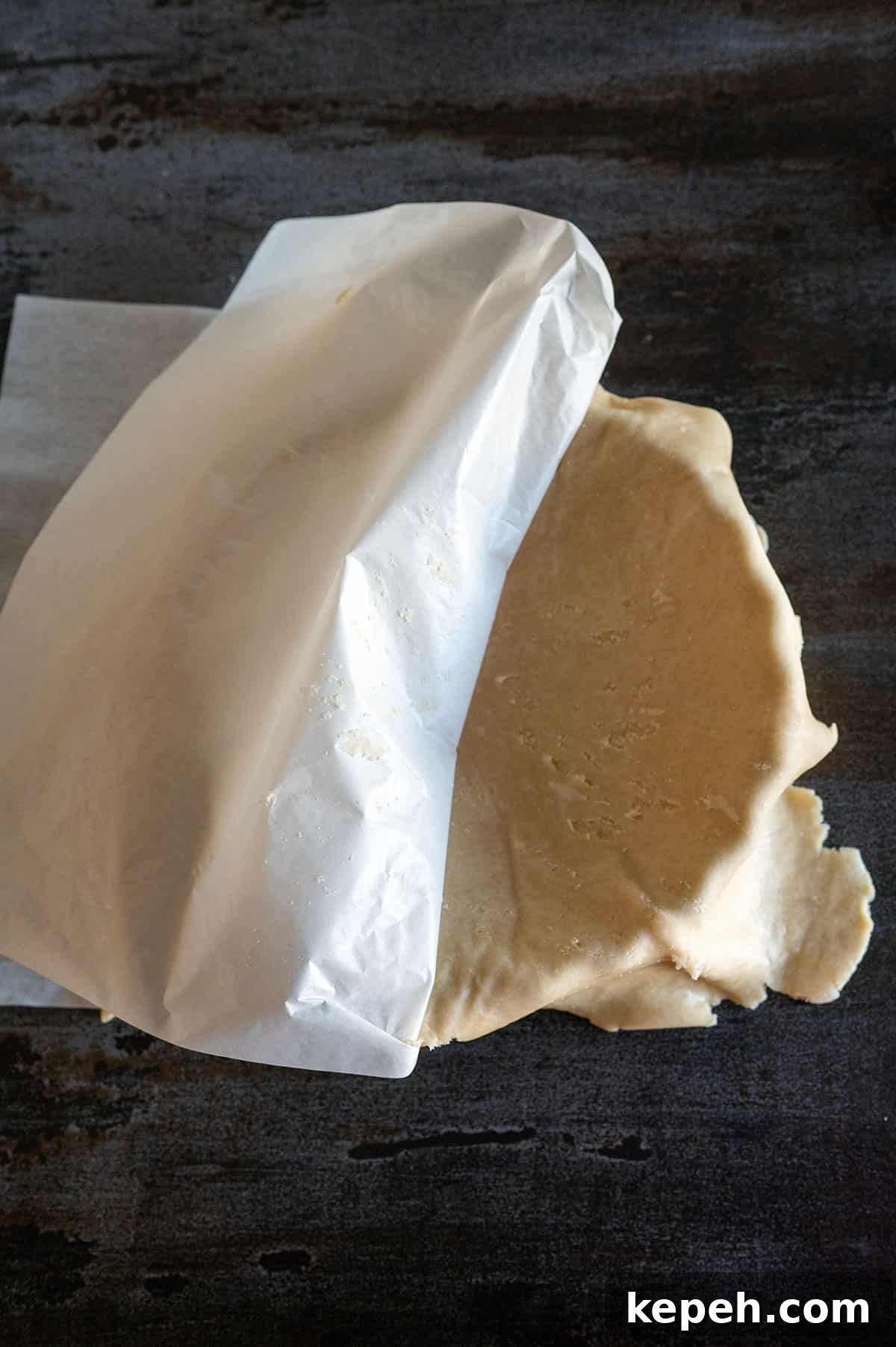
Roll the dough between two sheets of parchment or waxed paper to the size needed for your pie pan. Rolling between paper prevents sticking and eliminates the need to add extra flour, which can toughen the crust.
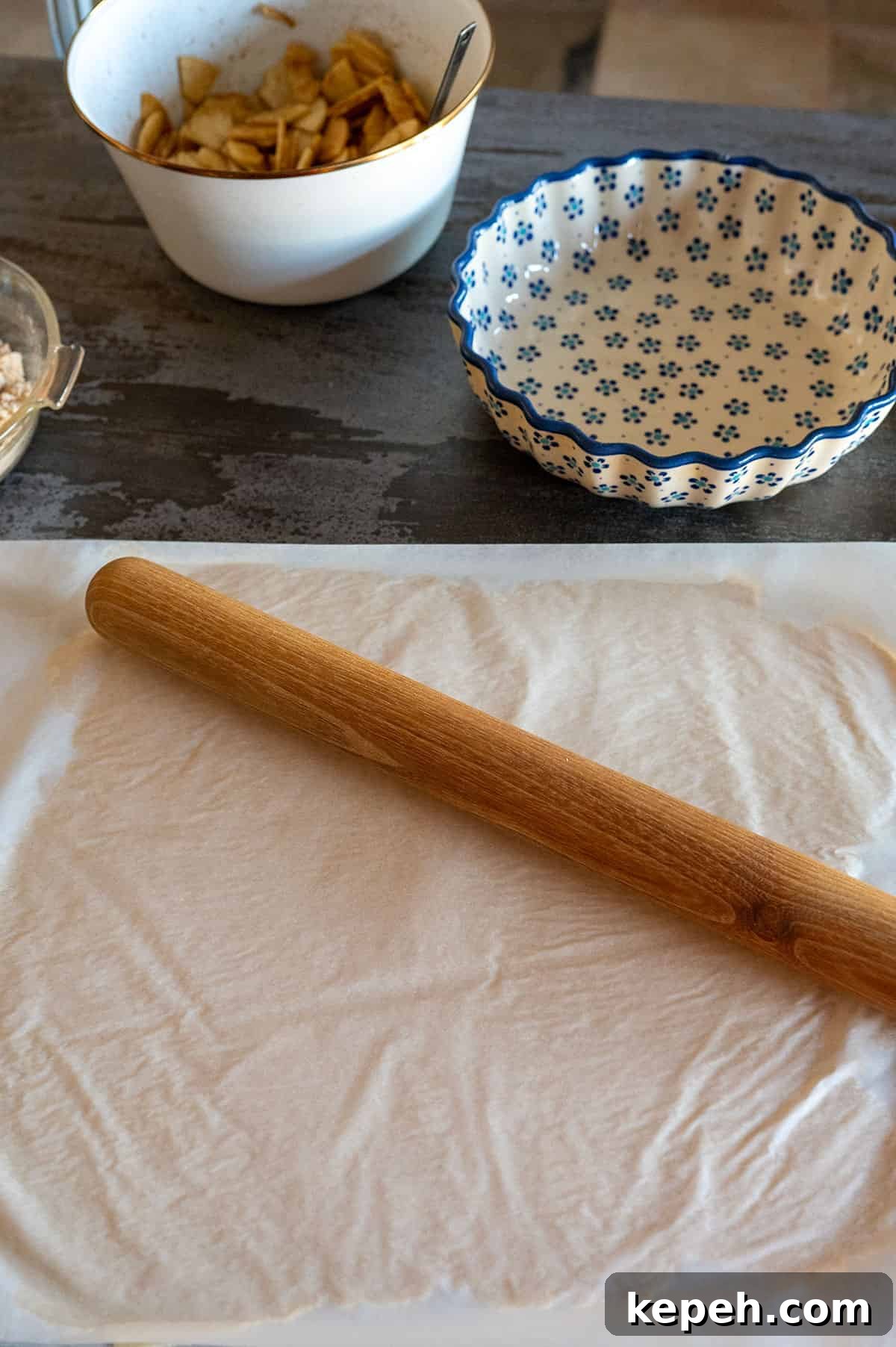
This batch makes enough dough for a 9-inch double-crust pie or one deep-dish single crust. Fit the rolled dough into your pie pan, trim the edges, and follow your chosen pie recipe’s baking instructions.
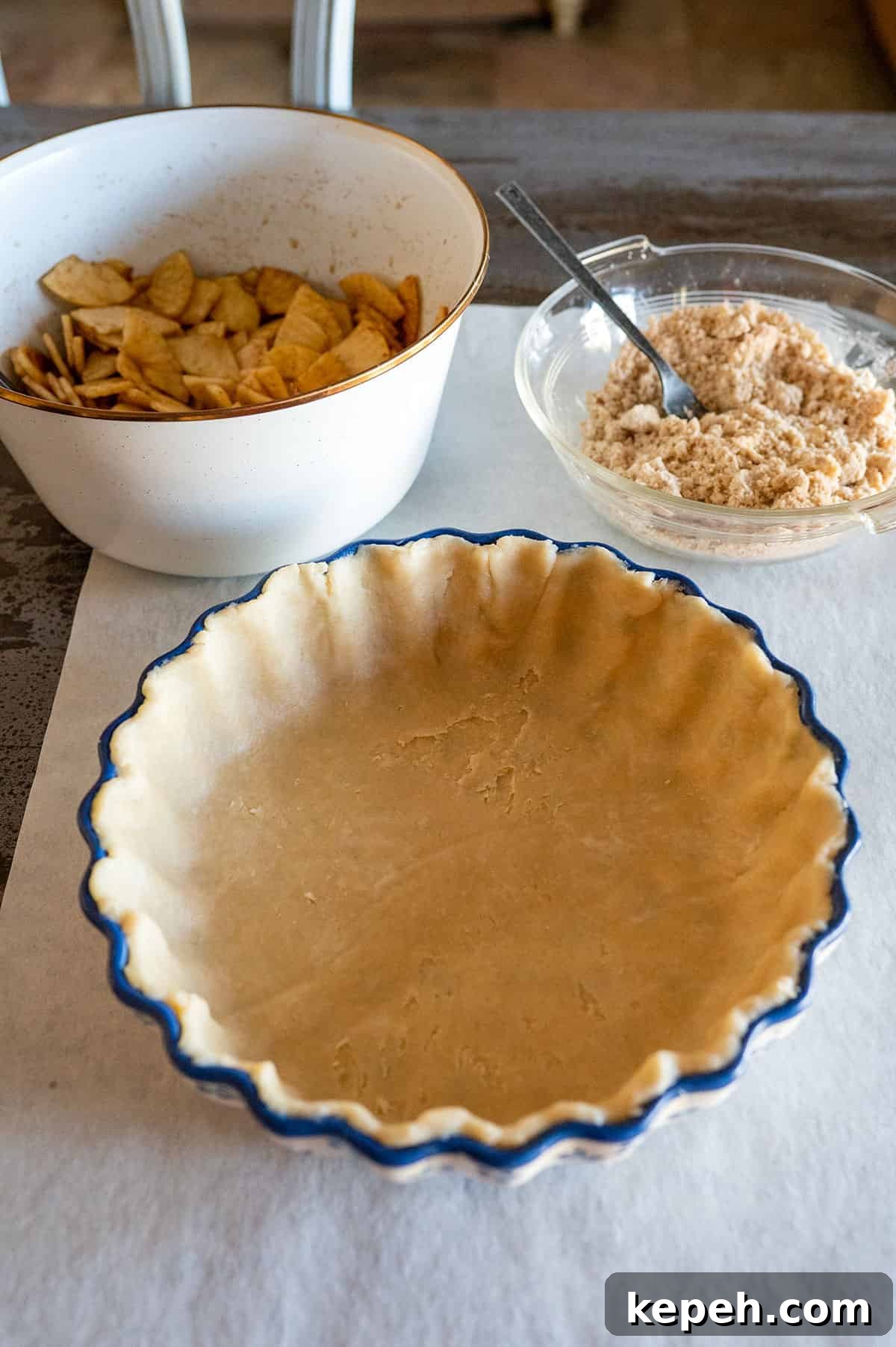
Storage
Store the wrapped dough disc in the refrigerator for up to one week. For longer storage, freeze the unbaked disc for up to six months—thaw in the refrigerator before rolling.
If you freeze the crust already pressed into a pie tin, use within one month to avoid ice crystals that can introduce excess moisture and reduce flakiness.
GCG Pro Pitmaster Tips
- For maximum flakiness, replace some shortening with beef tallow.
- Chill the dough after mixing so the fat solidifies before baking.
- Roll the crust between two sheets of parchment to prevent sticking and avoid extra flour.
Frequently Asked Questions
Flakiness comes from the right fat-to-flour ratio and keeping the fat solid until baking. As the fat melts in the oven it creates steam that separates layers of dough into flaky pockets.
This crust works for sweet and savory dishes: pies, quiches, tarts, hand pies and pot pies. 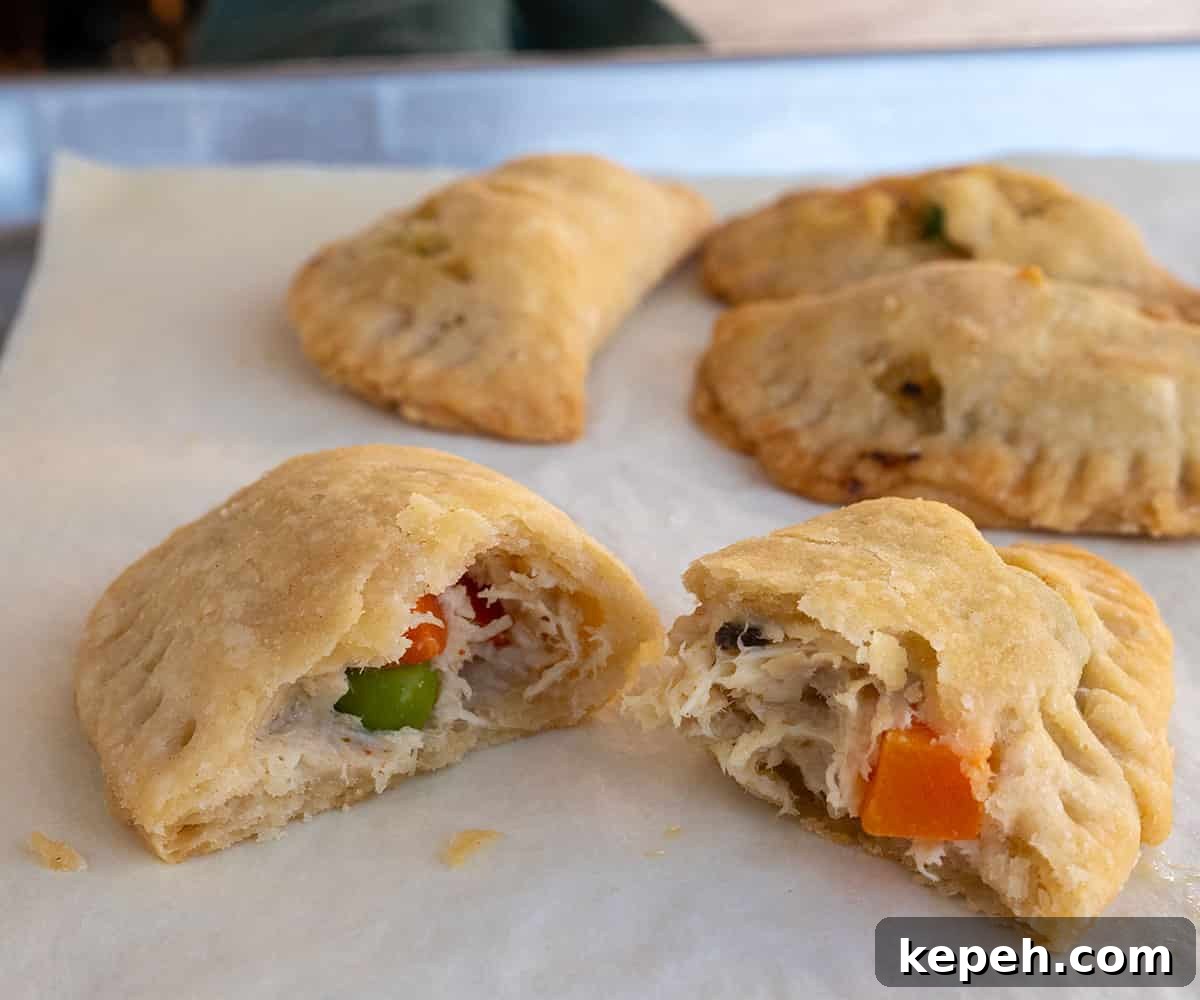
Slight tackiness is normal because shortening and tallow can be softer than butter. Add cold water slowly and stop when the dough just comes together to avoid excess stickiness.
No. Rolling between parchment or wax paper prevents sticking without adding flour, which can make the crust dense.
Roll between two sheets of paper, remove the top sheet, flip the dough over the pie dish, peel off the remaining paper, press into the pan, trim excess and form the edge.
Pie Recipes Made with Flaky Pie Crust
- Hickory Smoked Pumpkin Pie
- How to Bake Quiche on the Grill
- Apple Pie with Crumble Topping
- Savory Hand Pies with Leftover Brisket
Want even more great grilling recipes and tips? Subscribe to newsletters and follow recipe creators on social media for updates. If you try this crust, please leave a comment and rating.
The Best Flaky Pie Crust for Sweet and Savory Pies
Ingredients
- 3/4 cup Crisco shortening
- 1/4 cup beef tallow
- 2 1/3 cup all purpose flour, (300 grams)
- 1 tsp sugar
- 1/2 tsp table salt
- 5-7 tbsp cold water
Instructions
-
Mix: In a large bowl use a pastry cutter to combine the shortening, tallow, flour, sugar and salt. Add cold water, one tablespoon at a time, until the dough is smooth and holds when pressed.
-
Chill: Shape the dough into a disc, wrap in plastic, and chill until ready to use.
-
Form: Roll the crust between two sheets of parchment paper, fit it into the pie tin, trim the edges and bake according to your pie recipe.
Notes
If using kosher salt, increase the amount to one teaspoon to match the seasoning level of table salt.
This recipe yields enough dough for both top and bottom crusts for a 9-inch pie plate, or one deep-dish single crust.
Nutrition values reflect only the crust and do not include filling.
Nutrition
Nutrition information is automatically calculated and should be used as an approximation.