
Written by Amber Kanuckel
Xanthan gum appears in many everyday products — from salad dressings and sauces to cosmetics and some adhesives — so you likely consume it more often than you realize. The U.S. Food and Drug Administration classifies xanthan gum as a safe food additive, but there are nuances worth knowing. Is xanthan gum natural or synthetic? Who should be cautious? Below is a clear, reader-friendly look at what xanthan gum is, how it’s made, where it’s used, and when to avoid it.
Table of Contents
- What the Heck is Xanthan Gum?
- Is Xanthan Gum Natural? How is it Made?
- What is a Polysaccharide? Is it Safe?
- What Does Xanthan Gum Do in Foods?
- Should I Avoid Foods with Xanthan Gum?
- What Kinds of Foods is Xanthan Gum Found In?
- As a Food Additive, is Xanthan Gum Safe?
- Does Xanthan Gum Cause Inflammation?
- Is It Possible to Have a Xanthan Gum Allergy?
- Is Xanthan Gum Gluten-Free?
- Is Xanthan Gum Keto-Friendly?
- Is Xanthan Gum Vegan?
- What Are the Negative Effects of Xanthan Gum?
- Who Should Avoid Xanthan Gum?
- Xanthan Gum Versus Guar Gum: What’s the Difference?
- What Else Is Xanthan Gum Called?
- What is Safe That Can Be Used Instead of Xanthan Gum?
- Is Xanthan Gum Right for You?
What the Heck is Xanthan Gum?
Xanthan gum is a soluble fiber and a polysaccharide — a long chain of simple sugars. Soluble fibers are carbohydrates the body cannot digest, so they pass through the digestive tract and can slow digestion. That property makes xanthan gum useful in food processing as well as in some medical and industrial applications.
Is Xanthan Gum Natural? How is it Made?
Xanthan gum isn’t harvested from a plant in the way people usually think of natural ingredients. It is produced by fermenting a sugar source with the bacterium Xanthomonas campestris. During fermentation the bacteria create a viscous, slimy substance that is precipitated with alcohol, dried, and milled into the fine powder sold as xanthan gum. The starting sugar can come from corn, wheat, soy, or other sources, which is important for people with specific allergies.
What is a Polysaccharide? Is it Safe?
Polysaccharides are complex carbohydrates made of many linked simple sugars. They are among the most abundant organic molecules in nature and include both digestible starches and indigestible fibers. The indigestible polysaccharide fibers, like xanthan gum, are generally safe and commonly present in plant-based foods.
What Does Xanthan Gum Do in Foods?
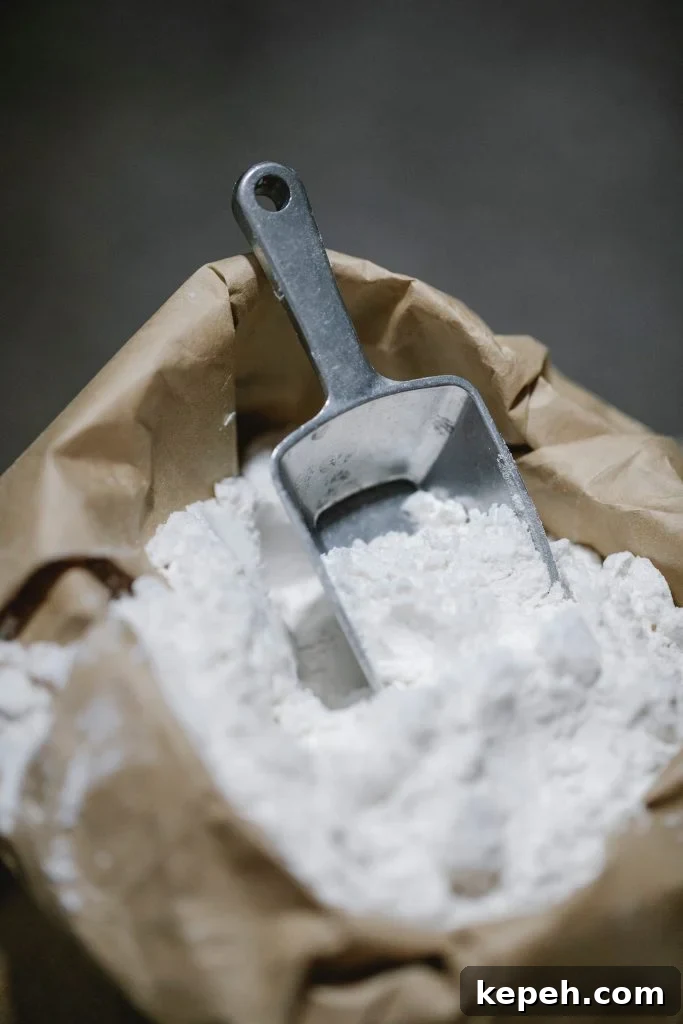
As a powdered additive, xanthan gum thickens, stabilizes, and improves texture. It disperses into liquids to create viscosity and helps emulsions hold together, which is why it’s popular in dressings, sauces, and many processed items.
Should I Avoid Foods with Xanthan Gum?
For most people, occasional consumption of xanthan gum is fine. Health authorities consider typical dietary amounts safe. However, high doses can cause digestive symptoms in some individuals, and people with certain allergies or digestive disorders may be more sensitive. As a general rule, choosing foods with shorter ingredient lists and fewer processed additives reduces exposure.
Those with celiac disease, irritable bowel syndrome, or other chronic gut conditions may notice symptoms when they consume products containing xanthan gum and might choose to limit or avoid it. If you suspect xanthan gum affects you, reduce intake and observe changes or consult a healthcare professional for personalized guidance.
What Kinds of Foods is Xanthan Gum Found In?
Xanthan gum appears in numerous processed foods where thickening, texture, or stabilization is needed. Common examples include:
- Salad dressings
- Bakery products
- Fruit juices
- Canned and packaged soups
- Ice cream
- Sauces and gravies
- Syrups
- Gluten-free products
- Low-fat foods
- Protein powders and supplements
- Cosmetics and lotions
- Medicines and toothpaste
As a Food Additive, is Xanthan Gum Safe?
Regulatory agencies and many experts regard xanthan gum as safe at typical intake levels. Studies indicate that daily intakes up to about 15 grams are generally tolerated, while higher amounts have been linked to increased stool output, more frequent bowel movements, and gas. Most people consume far less than that through regular foods.
Does Xanthan Gum Cause Inflammation?
Direct exposure to powdered xanthan gum can irritate the nose and lungs and may produce flu-like symptoms in some cases. When consumed in normal amounts, it is not generally associated with intestinal inflammation, though individual reactions vary.
Is It Possible to Have a Xanthan Gum Allergy?
Yes. Because xanthan gum is produced from sugar sources that may derive from corn, wheat, soy, or dairy, people with allergies to those ingredients may react to certain xanthan gum products. If you have a known allergy, check ingredient origins or avoid products containing xanthan gum.
Is Xanthan Gum Gluten-Free?
Xanthan gum can be made from wheat-derived sugars, but when used in certified gluten-free products it has been processed to remove gluten and is considered safe. If a product is labeled gluten-free, xanthan gum in that product should meet gluten-free standards.
Is Xanthan Gum Keto-Friendly?
One tablespoon of xanthan gum contains about eight grams of carbohydrates and eight grams of fiber. Because fiber does not raise blood sugar in the same way as digestible carbs, the small amounts used in foods and recipes are usually acceptable on a ketogenic diet.
Is Xanthan Gum Vegan?
Often yes — xanthan gum itself is produced by bacterial fermentation and is typically vegan. However, because the sugar source used in fermentation can sometimes be derived from animal products (less commonly), vegans who are strict about ingredient sourcing may want to verify the origin.
What Are the Negative Effects of Xanthan Gum?
At higher doses (above about 15 grams per day), xanthan gum may cause:
- Stomach upset and intestinal discomfort
- More frequent bowel movements
- Softer stools
- Increased gas and bloating
- Changes to gut microbiota
- Lowered blood sugar
- Potential interference with nutrient absorption
Some of those effects have therapeutic uses: xanthan gum’s fiber can help lower blood sugar in research settings and can act as a bulk-forming laxative when needed under medical guidance.
Who Should Avoid Xanthan Gum?
Consider avoiding xanthan gum if you have severe allergies to corn, dairy, soy, or wheat unless the product explicitly states a safe source. Infants and pregnant people should exercise caution: there have been reports linking certain xanthan-containing thickeners added to infant formula with cases of necrotizing enterocolitis, a serious intestinal condition. People experiencing unexplained nausea, vomiting, or abdominal pain should avoid bulk-forming laxatives and seek medical evaluation. Because xanthan gum can lower blood sugar, some clinicians advise stopping it at least two weeks before elective surgery to avoid perioperative blood sugar fluctuations.
Body
Is Microwave Popcorn Healthy for You? Not If There’s PFAS in the Bag.
Most microwave popcorn comes with PFAS “forever chemicals” that are known to cause long-term health problems. Learn which popcorn brands are safer & healthier.
Xanthan Gum Versus Guar Gum: What’s the Difference?
Xanthan gum and guar gum are both thickeners and binders and can often be used interchangeably, but they have different strengths. Guar gum, derived from the ground endosperm of the Cyamopsis tetragonolobus legume, performs particularly well in cold applications like ice cream or pastry fillings. Xanthan gum, made by bacterial fermentation of sugars, is often preferred in baked goods, especially yeast breads, because it helps mimic gluten’s texture.
What Else Is Xanthan Gum Called?
On ingredient lists, especially imported products, xanthan gum may appear under other names, such as:
- Bacterial polysaccharide
- Corn sugar gum
- Goma xantana
- Gomme de sucre de mais
- Gomme de xanthane
- Gomme xanthane
- Polysaccharide bacterien
- Polysaccharide de type xanthane
- Polysaccharide xanthane
- Xanthan
- Xanthomonas campestris
In the U.S. you will most commonly see the term “xanthan gum” on labels.
What is Safe That Can Be Used Instead of Xanthan Gum?
If you prefer to avoid xanthan gum, several safe and natural alternatives work well as thickeners or binders:
- Agar agar: A vegan gelling agent from red algae; a good gelatin substitute.
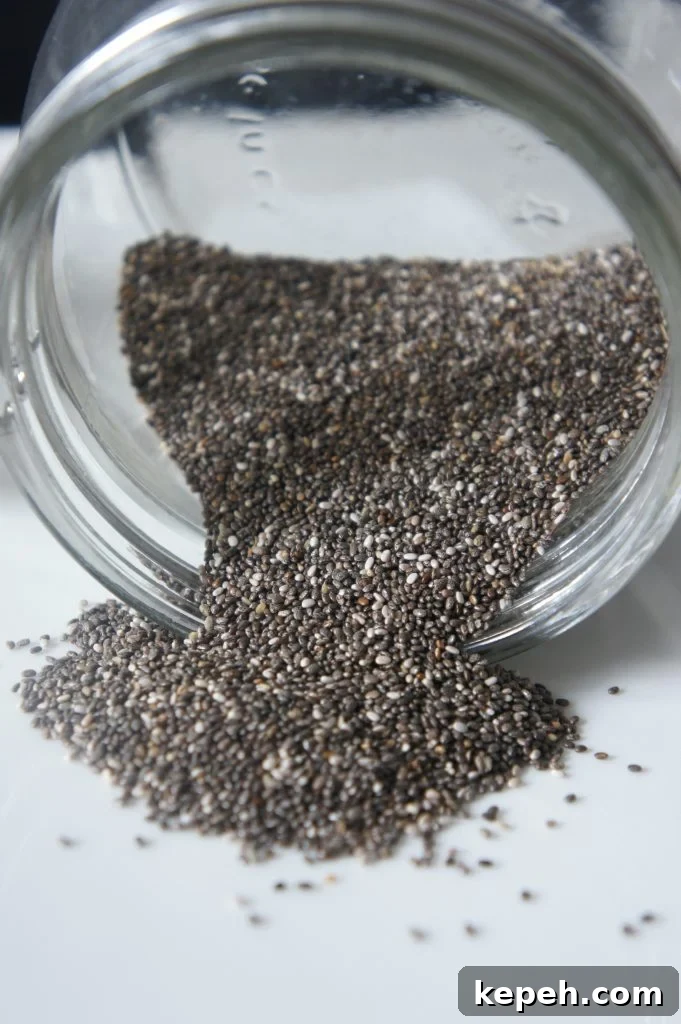
- Chia seeds: When soaked, they form a gel; grinding reduces the texture if desired.
- Cornstarch: Works well as a thickener in cooked dishes; use roughly 1:1 when replacing xanthan gum in many recipes.
- Egg whites: Provide structure and lightness in baked goods; one egg white can replace about a tablespoon of xanthan gum.
- Ground flax seeds: Form a gel when mixed with water, adding a mild nutty flavor and slightly gritty texture unless finely ground.
- Psyllium husk: A fiber-based option useful in baking and for adding bulk.
- Unflavored gelatin: Effective in many applications but not suitable for vegetarians or vegans.
Is Xanthan Gum Right for You?
Xanthan gum is generally safe for most people when consumed at typical dietary levels. However, high doses can produce digestive symptoms and certain groups — people with specific food allergies, infants, pregnant people, and those with some gastrointestinal conditions — should take extra precautions or avoid it. If you prefer to limit additives, reducing processed food intake and preparing more dishes at home are reliable ways to lower your exposure.
Ultimately, the choice is personal: weigh the convenience and functional benefits of xanthan gum against your health profile and food preferences. If you suspect sensitivity, try removing it for a period and see whether symptoms improve, or consult your healthcare provider for testing and guidance.
About the Author
Amber Kanuckel’s work has appeared in the Farmers’ Almanac, the Ohio Amish Country Magazine, GreenPrints, and various newspapers. She focuses on practical ways to build a healthy, happy home.
PIN IT:

Image Credits: Polina Tankilevitch, Klaus Nielsen, Delphine Hourlay