If you haven’t tried brining your turkey yet, now is the time. Brining is the most reliable method for ensuring a juicy, flavorful bird.
A brine is simply salt dissolved in water. When meat soaks in a brine for several hours, it absorbs some of that seasoned liquid. The salt solution gets trapped between muscle fibers, increasing the meat’s internal moisture and producing a juicier result after cooking.
Cooking always causes some moisture loss, but because a brined bird starts with additional liquid held inside its tissues, the final product stays noticeably more succulent. The salt level in a properly balanced brine isn’t overpowering; it enhances the natural flavor of the meat.
You can also include other ingredients in the brine—sugar, fruit juice, herbs, spices, sauces, or aromatics—which will impart additional flavor to the meat as it soaks.
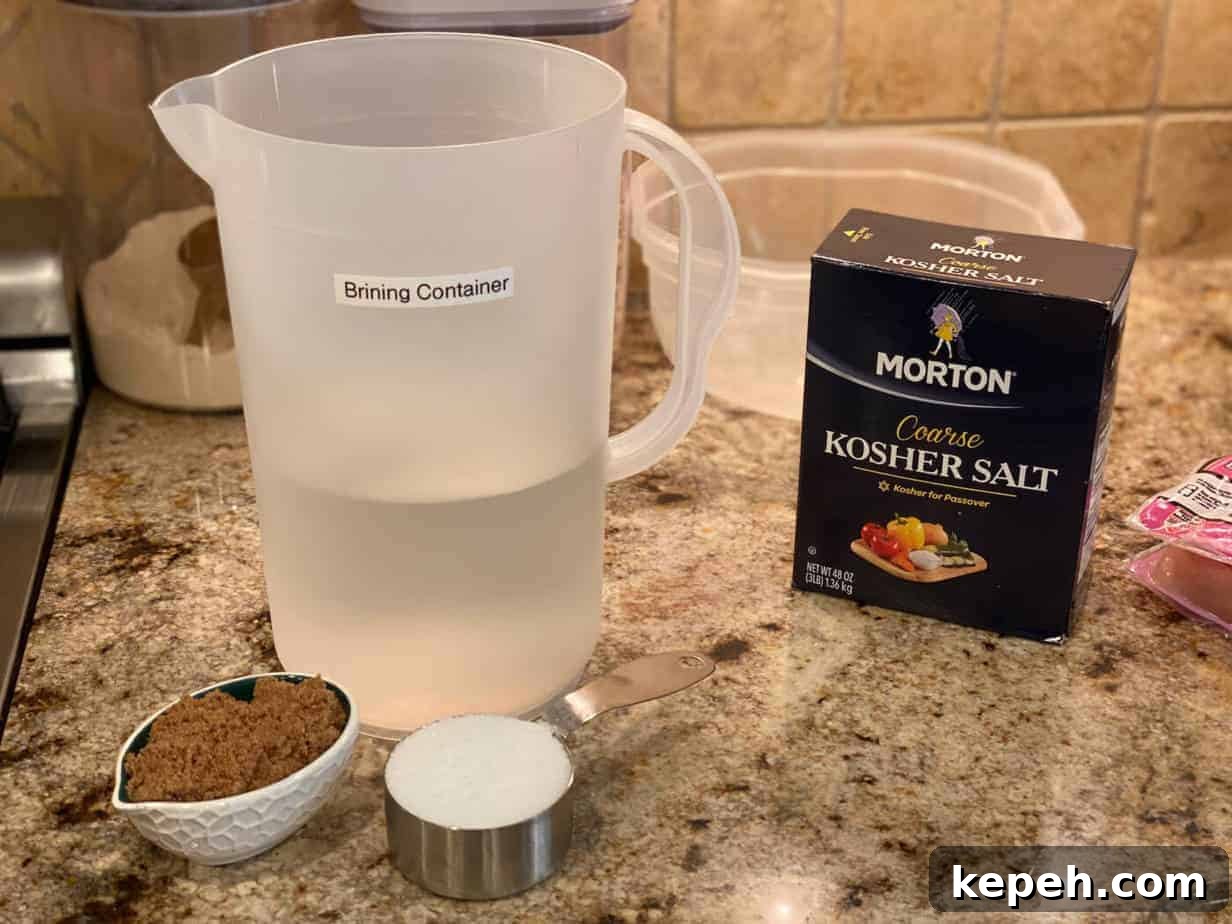
All of my brines are about 6% salinity, which equals roughly 1 cup of coarse kosher salt per 1 gallon of liquid.
The amount of salt that actually migrates into the turkey is much lower than the concentration of the brine and depends on how long you soak the bird. An 8–12 hour brine results in a mild, well-seasoned turkey—rarely too salty.
If you’d like a deeper explanation of brining methods, I have an in-depth article on wet brining versus dry brining.
Below are several brine recipes I’ve used over the years. Scale each recipe up as needed for larger birds.
Jeff’s Cajun Turkey/Poultry Brine
- 1 gallon water
- 1 cup kosher salt (Morton’s coarse kosher)
- 1.5 cups brown sugar
- 2 tbsp Zatarain’s liquid crab boil
- 2 tbsp ground black pepper
- 1/2 tbsp dried rosemary
- 1/2 tbsp dried thyme
- 2 tbsp molasses
- 2 tbsp white wine (not cooking wine)
- 2 tbsp Worcestershire sauce
Stir the salt into the water until fully dissolved and the liquid is clear. Add the remaining ingredients and mix thoroughly. Double or triple this recipe to suit the size of your bird.
Traditional Brine for Turkey/Poultry
- 1 gallon water
- 1 cup kosher salt
- 3/4 cup brown sugar
- 2 tbsp Jeff’s original rub
Combine the water and salt in a large, food-safe container and stir until the salt dissolves. Add the brown sugar and rub, stirring until they are as dissolved as possible. Increase quantities as needed for larger birds.
Buttermilk Brine for Turkey/Poultry
- 1/2 gallon buttermilk
- 1/2 gallon water
- 1 cup kosher salt
- 2 tbsp Jeff’s original rub
Pour the buttermilk and water into a large, food-safe container. Dissolve the salt, then stir in the rub until evenly distributed. This brine adds tang and tenderness—double or triple the recipe as needed.
Cranberry Brine for Turkey/Poultry
- 2 bottles (64 oz) cranberry-pomegranate juice
- 1 cup kosher salt
- 2 tbsp Jeff’s original rub
Pour the juice into a large, food-safe container. Stir in the salt until it dissolves, then add the rub and mix well. This fruit-forward brine gives the turkey a subtle sweet-tart note. Scale the recipe for larger birds.
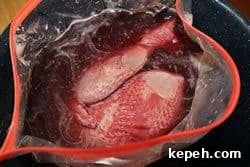
Place the bird in a very large brining bag, a clean cooler, or a food-safe plastic bucket and pour the brine over it until the turkey is fully submerged.
Refrigerate and let the turkey soak for 10–12 hours or overnight. Chickens need less time—about 4 hours. Always keep the brine temperature below 40°F (4°C) to prevent bacterial growth and ensure food safety.