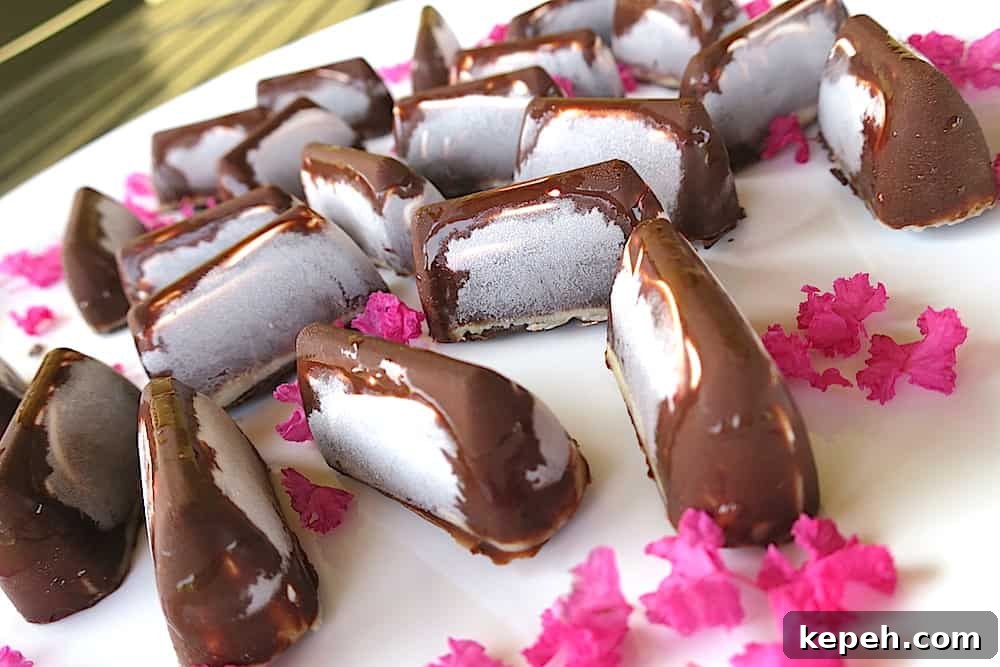
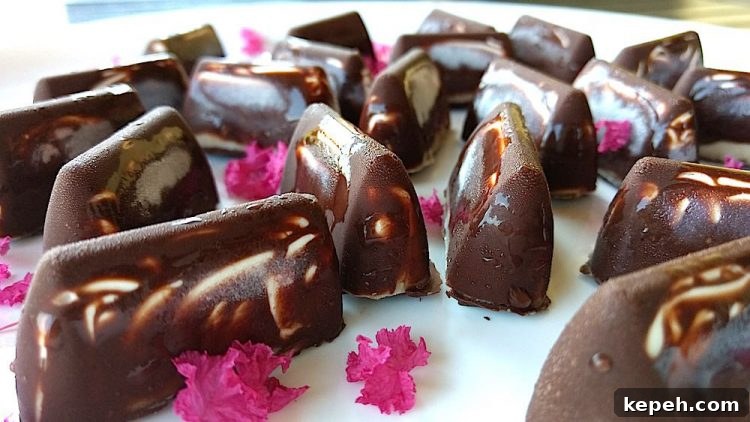
Keto Sugar Free Mini Snicker Ice Cream Bars. 0.4g carbs. Incredibly moreish and impossible to resist!
Three distinct elements to make, plus cooling and assembling. Nothing complicated, but this recipe takes a little more time than the quick dishes you might be used to from this blog.
Occasionally something extraordinary is worth the extra effort. These Keto Sugar Free Mini Snicker Ice Cream Bars are truly special—rich, crunchy and perfectly balanced for low-carb living.
Prepare to spend some time weighing, mixing, pouring and spreading. Most of that time is hands-off while components chill or set. In the end you’ll have a stash of delicious, healthy, guilt-free treats in the freezer.
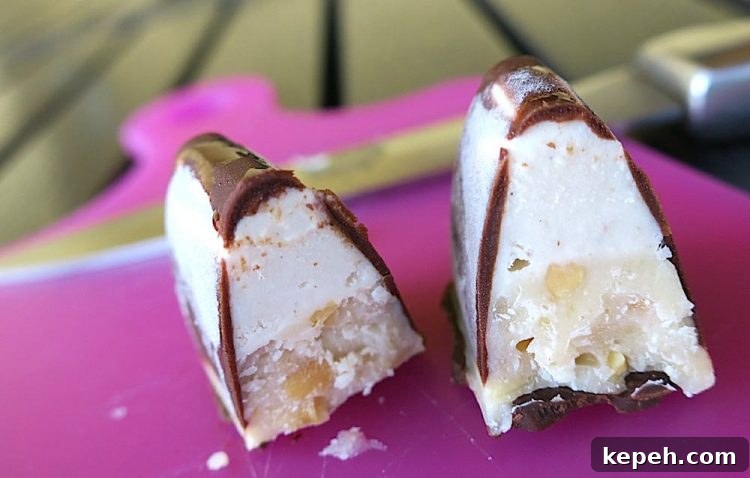
Peanuts? On Keto?
Many people ask whether specific ingredients are “allowed” on keto. The ketogenic lifestyle focuses on keeping carbs low so the body runs on ketones instead of glucose. There are no absolute bans—what matters is total carb intake and staying within your macros.
Some foods are obviously impractical on keto (potatoes, wheat) because their carb density is too high. Peanuts often appear on “avoid” lists because they are botanically legumes, and some legumes are higher in carbs. But many peanut products have a good nutritional profile, and plain roasted peanuts can be quite low in carbs when consumed in sensible amounts.
For example, peanuts with about 5 g carbs per 100 g mean a typical 20-peanut snack delivers roughly 1 g of carbs—well within keto limits for most people. Always check labels and track portions to stay on target.
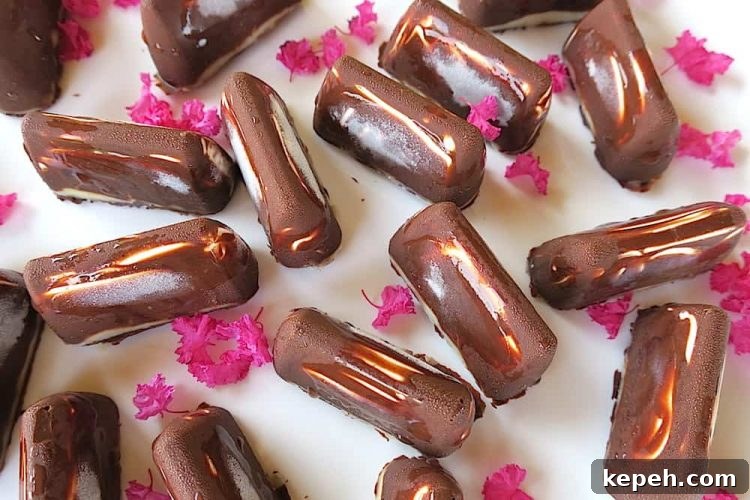
What you’ll need to make Keto Sugar Free Mini Snicker Ice Cream Bars
This recipe uses chocolate, whey protein, almond flour, peanuts, vanilla, butter, cream and sweeteners—staples in a keto kitchen. I also recommend MCT oil for its ketogenic potential, though coconut oil can be substituted if you prefer.
You will need chocolate molds. I used 24 mini bar molds (13 ml each). Your yield will vary with mold size, so the recipe provides total macros; divide those by the number of bars you make to get per-bar values.
My MCT Oil vs Coconut Oil Test
MCT stands for medium-chain triglycerides—fatty acids usually extracted from coconut oil or palm oil. MCT oil is popular because it’s an easily metabolised energy source and is often promoted as more ketogenic than other fats.
I tried a simple personal test: for one week I measured ketone readings about 30 minutes after each of my daily coffees made with coconut oil, then repeated the week using MCT oil in the coffees. My informal test showed noticeably higher ketone readings when I used MCT oil. This was not a scientific study, but the difference was clear enough for me to stick with MCT oil for added ketogenic support.
Enjoy!
- For the chocolate layer:
- 50 g unsweetened dark chocolate (100% recommended)
- 15 g unsalted butter (room temperature)
- 15 g MCT oil or coconut oil
- 5 drops vanilla extract
- 1/2 tsp pure stevia powder
- 25 g double cream
- For the creamy layer:
- 100 g double cream
- 1 tbsp (7 g) vanilla whey protein
- 3/4 tbsp (6 g) extra fine almond flour
- 2 tsp (7 g) powdered erythritol or low-carb icing sugar
- For the peanut caramel layer:
- 250 g double cream
- 10 g unsalted butter
- 1 tsp vanilla extract
- 2 tbsp (30 g) erythritol
- 15 drops caramel-flavored liquid stevia (or to taste)
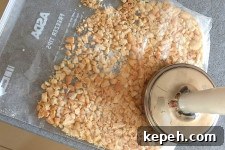
- 40 g roasted and salted peanuts, crushed
- Place chocolate molds in the freezer to chill.
- Melt the chocolate over a bain-marie or carefully in short bursts in the microwave, stirring frequently.
- Add stevia and butter, stirring until smooth and fully melted.
- Stir in MCT oil (or coconut oil) and vanilla extract.
- Add the 25 g double cream and stir vigorously until the mixture is dense and glossy.
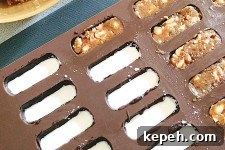
- Spread this chocolate evenly on the bottom and up the sides of the molds. Reserve some chocolate to seal the tops later.
- Return molds to the freezer to set.
- Blend the 100 g double cream, whey protein, almond flour and powdered erythritol for about 30 seconds to create a light, airy mixture. Repeat if necessary to achieve a smooth texture.
- Remove molds from the freezer and fill each one to about half height with the creamy mixture.
- Return molds to the freezer to firm up.
- Combine cream, butter, vanilla and erythritol in a small, heavy-based saucepan. Whisk and bring to a gentle boil over medium heat.
- As soon as boiling point is reached, reduce heat to a low simmer and cook gently for 30 minutes, whisking occasionally.
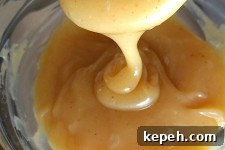
- When the mixture begins to thicken, whisk almost continuously for another 10 minutes to prevent burning. It will thicken and darken to a rich golden colour.
- Remove from heat, transfer to a bowl, stir in caramel-flavored liquid stevia to taste, and continue whisking to cool slightly. The mix will reduce in weight as it concentrates.
- Stir in the crushed peanuts.
- Fill the remaining space in each mold with the peanut caramel, pressing and flattening lightly. Freeze for 30 minutes to set.
- Spread the remaining chocolate mixture over the top of the frozen peanut caramel to seal each bar.
- Freeze for at least 1 hour before removing the bars from their molds. Store the finished bars in a sealed container in the freezer.
I had 40 g chocolate mix left over; total recipe macros in that version were approximately: Calories 2640; Carbs 12 g; Protein 36 g; Fat 264 g. If all the chocolate is used, totals are roughly: Calories 2694; Carbs 13.7 g; Protein 38 g; Fat 274 g. The per-bar macros assume 24 mini bars (13 ml each).
Metric kitchen scales are very useful for accurate measurements and will improve consistency and results.