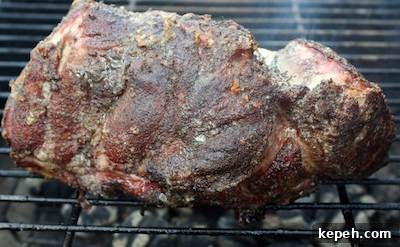
Pork shoulder (also called pork butt) is one of the easiest cuts to smoke on a Weber Smoky Mountain. It’s forgiving compared with many other low-and-slow meats because of its fat and connective tissue, which help keep the meat juicy during long cooks. Below are clear, practical tips and techniques—drawn from experienced pitmasters—for smoking an excellent pork shoulder on a WSM.
To prepare pulled pork on a Weber Smoky Mountain, you need a pork shoulder, a barbecue rub, and apple cider vinegar (or apple juice) for spritzing. Start by filling the WSM’s charcoal basket with charcoal, leaving a central gap for a full chimney of lit coals. Add two or three wood chunks—either on top of the charcoal or buried beneath—to generate smoke. Evenly apply your rub to the pork shoulder, set the smoker vents to maintain a temperature around 250°F (or your chosen target), fill the water pan, and place the pork on the top rack.
Leave the lid closed for the first three hours to let smoke and heat do their work. After that, spritz the pork every 30–40 minutes with apple cider vinegar or apple juice to keep the surface moist and encourage a good bark. When the internal temperature reaches about 165°F, wrap the shoulder tightly in aluminum foil (or butcher paper if you prefer) and continue cooking until the internal temperature is about 200°F. Remove the pork and let it rest for at least an hour before shredding or slicing. Total cook time varies by size and temperature; a useful guideline is around two hours per pound at 220°F, but raising the smoker to 250°F will shorten the cook.
Key Points
- Fill the WSM charcoal basket, leaving a gap in the middle for a chimney of lit charcoal; add two or three wood chunks for smoke.
- Rub the pork shoulder evenly with your barbecue seasoning.
- Adjust vents to hold the smoker at the chosen temperature (220–250°F is common).
- Fill the water pan and place the pork on the top rack.
- After three hours, spritz every 30–40 minutes with apple cider vinegar or apple juice.
- At about 165°F internal temperature, wrap the shoulder and continue cooking to ~200°F.
- Rest the pork for at least one hour before shredding or slicing.
- Allow 2 hours per pound at 220°F as a baseline; higher temperatures reduce cook time.
Pork Shoulder (pulled pork) on a Weber Smokey Mountain
Pork shoulder smoked low-and-slow on a Weber Smokey Mountain, then shredded for pulled pork.
10 minutes
7 hours
30 minutes
7 hours 40 minutes
Ingredients
- Pork shoulder
- Barbecue rub
- Apple cider vinegar (for spritzing)
Instructions
- Fill the WSM charcoal basket, leaving a central gap for a full chimney of lit charcoal.
- Place two or three wood chunks on top of the charcoal or bury them beneath to produce smoke.
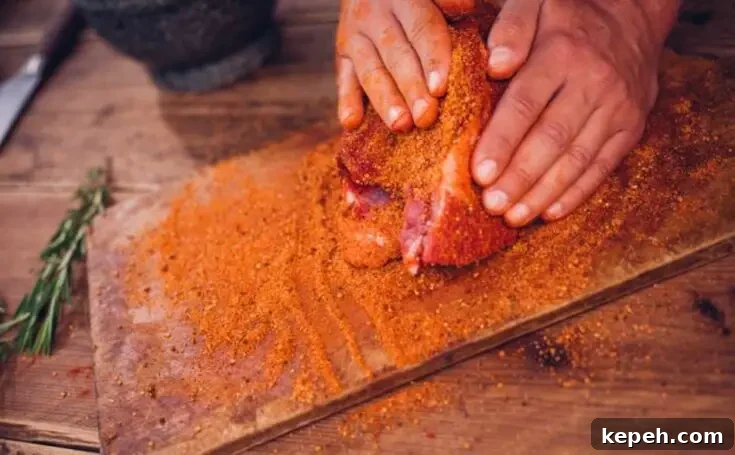
- Apply an even layer of rub over the pork shoulder.
- Adjust the vents and stabilize the smoker at your target temperature (220–250°F).
- Fill the water pan.
- Place the pork shoulder on the top rack.
- Leave the lid closed for the first three hours to let smoke and heat build a bark.
- After three hours, spritz the pork every 30–40 minutes with apple cider vinegar or apple juice.
- When the pork reaches ~165°F internal temperature, remove and wrap it in foil or butcher paper.
- Return to the smoker and cook until the internal temperature is about 200°F.
- Rest the wrapped pork at least one hour before unwrapping and shredding or slicing.
Nutrition Information:
Serving Size:
100 grams
Amount Per Serving:
Calories: 168
How Long Does It Take To Smoke Pork Shoulder?
Total cook time depends on the size of the shoulder and your cooking temperature. A practical rule of thumb is roughly two hours per pound at 220°F. An 8–10 pound butt cooked at that temperature can take 16+ hours. If you need it done sooner, raise the smoker temperature to the 250°F range; the extra heat cooks the collagen faster while pork’s fat content helps prevent drying out.
Cooking at 220°F or 250°F
Cooking at 220°F is a classic low-and-slow approach that maximizes smoke flavor and tenderness. Cooking at 250°F shortens the time and still yields juicy pork because shoulder is a fatty cut. Choose based on your schedule and desired smoke intensity: lower temps increase smoke absorption, higher temps reduce cook time.
What Is Pork Shoulder?
Pork shoulder contains several muscles plus ample intramuscular fat and collagen. The fat keeps the meat moist and flavorful during long cooks. Collagen breaks down into gelatin over many hours of low heat, creating the tender, pull-apart texture that makes pulled pork so good. That breakdown requires time and consistent low heat—so patience is rewarded.
How To Choose A Good Pork Shoulder
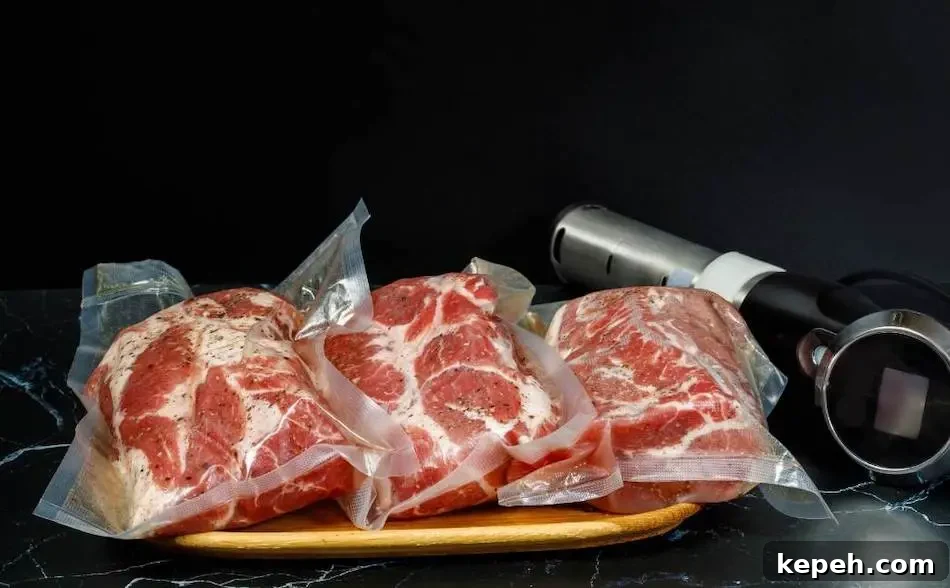
Look for a pork butt with the bone intact if possible—the bone can help retain moisture. Choose a shoulder with a well-developed “money muscle,” which is the tastiest portion. Visual familiarity with shoulder anatomy helps you pick a cut that will give excellent results.
How To Trim A Pork Shoulder
Trim excess fat but leave about a 1/4-inch fat cap so it can render. Score the fat in a crosshatch pattern rather than removing it entirely. Remove any visible arteries or thick pieces of fat from the underside. Overly thick fat will not render well and can make the finished texture greasy or uneven.
The Best Rub For Pork Shoulder/Butt
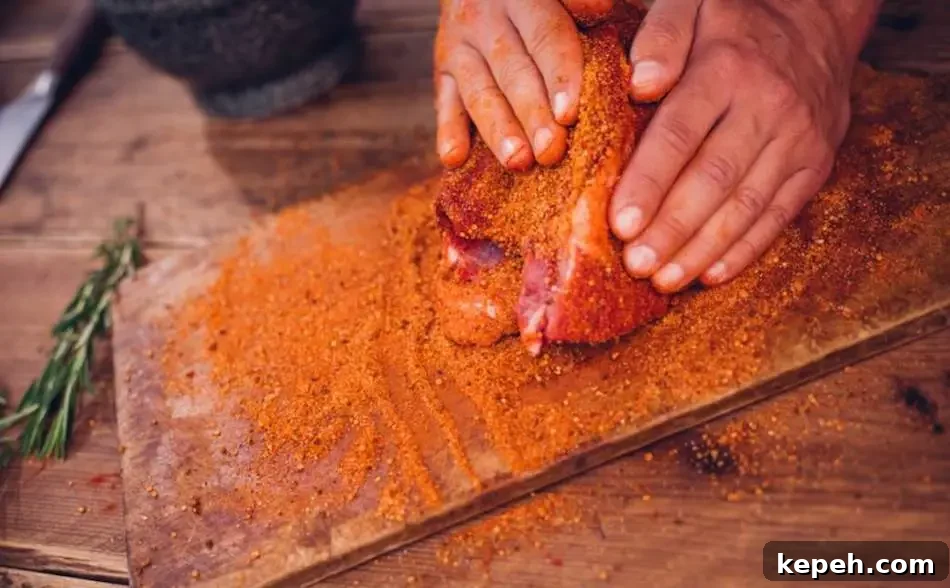
The simplest and most reliable rub is a 50/50 mix by volume of kosher salt and coarse black pepper. If you have a favorite pork rub, use it, but be cautious with store-bought blends that contain a lot of sugar (which can burn and turn very dark) or excessive salt—especially if you pre-brined the meat.
The Best Wood For Pork Shoulder
Good wood choices for pork on a WSM include hickory, pecan, apple, cherry, or oak. Fruitwoods provide a sweeter, milder smoke while hickory and oak add depth. You can place chunks on top of the coals or bury them; many pros prefer burying for steadier smoldering smoke. The wood you pick depends on the flavor profile you want.
Lighting Your WSM
Fill the firebox with charcoal but leave a gap for a full chimney of lit coals. Light the chimney and place it in the center gap; add two or three wood chunks for smoke. Monitor the smoker and adjust vents to stabilize temperature before adding the meat. A preheated, steady cooker is key to consistent results.
Controlling The Temperature On Your WSM
Bring the WSM up to your target (often 250°F) by opening the vents, then adjust to maintain. Let the smoker preheat about 30 minutes before adding the pork. Use the water pan to add humidity; note it can lower the temperature slightly. Monitor the smoker and meat temperature throughout the cook and make small vent adjustments as needed.
How To Develop a Nice Bark
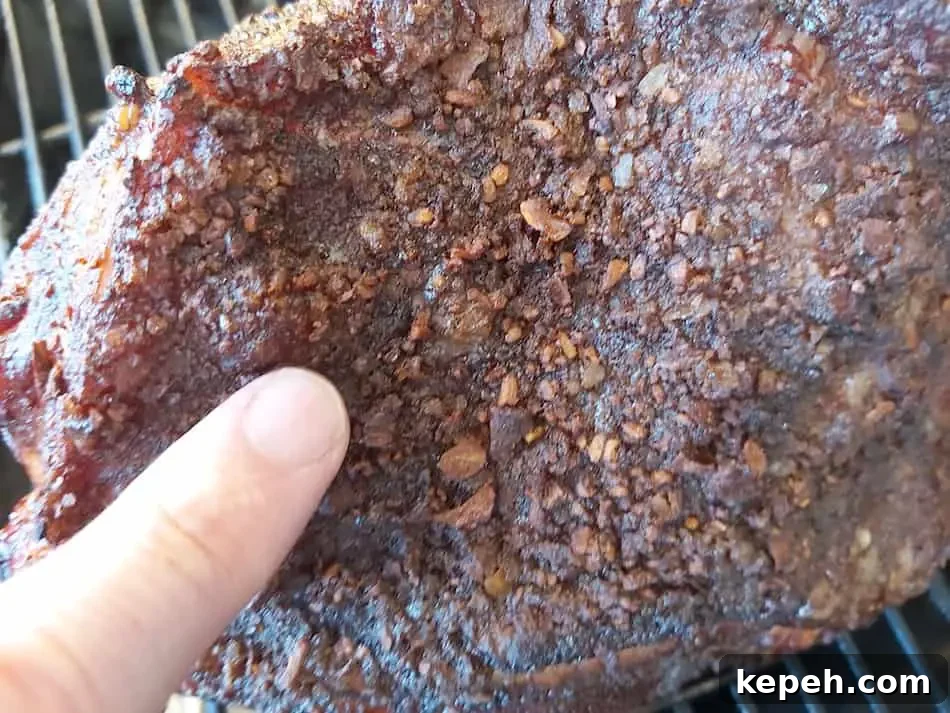
Place the pork on the top rack and leave it undisturbed for the first three hours to allow smoke to adhere and fat to begin rendering. The initial period is crucial for forming bark. After three hours, test the bark: if the rub sticks to your finger it’s too early to spritz; if the bark feels firm and the rub does not stick, begin spritzing every 30–40 minutes.
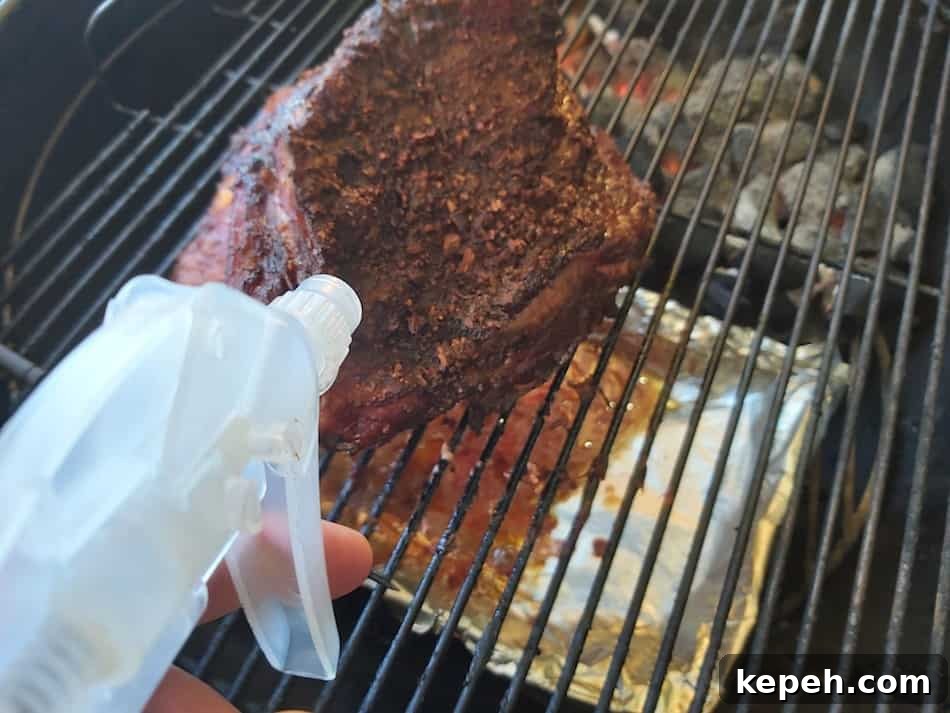
Spritzing The Pork Shoulder
Spritzing with apple cider vinegar or apple juice after the first three hours helps keep the surface moist and enhances flavor. Aim spritzes at the sides and bottom of the shoulder rather than directly onto the fat so you don’t wash away seasoning. Spritzing can slightly slow the cook by cooling the surface, but it helps the rub set and can improve bark and smoke ring.
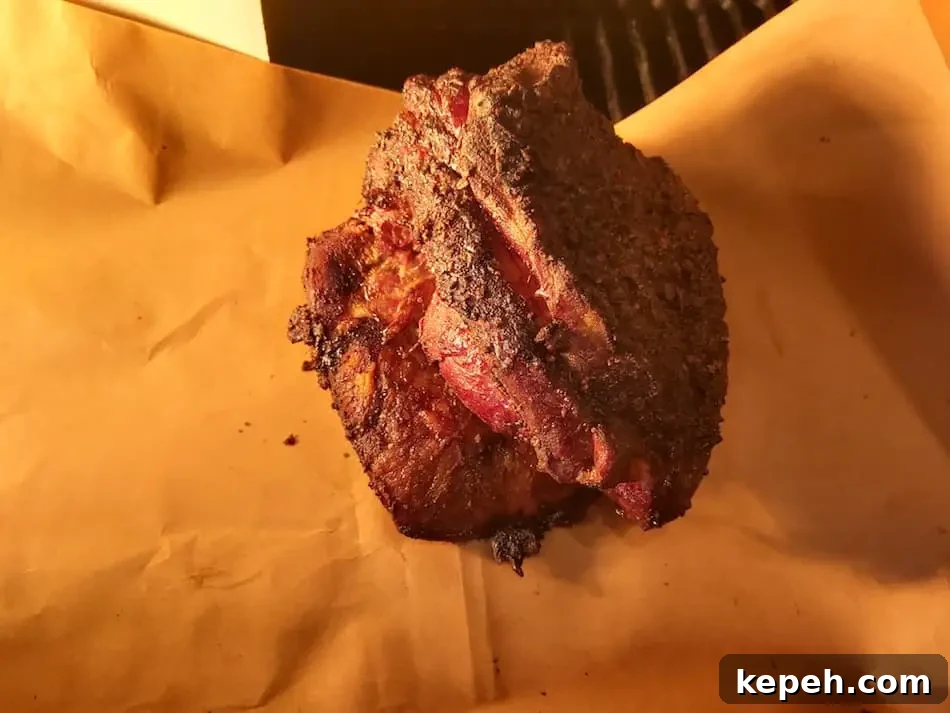
When To Wrap Pork Shoulder
Wrap when the pork reaches about 165–170°F and the bark and fat look ready. Wrapping in foil or butcher paper locks in moisture and speeds the cook, often reducing total time by up to a couple of hours and helping the meat move through the stall. Before wrapping you can add extra rub, a light sprinkling of brown sugar, butter, or a final spritz for added flavor.
How To Tell When Pork Shoulder Is Done?
Ideal finished temperature is around 200°F, but the best test is texture. Use the poke test: a probe or knife should slide in and out easily, with the meat feeling like softened butter. If it’s still resistant, it needs more time even if the thermometer reads high.
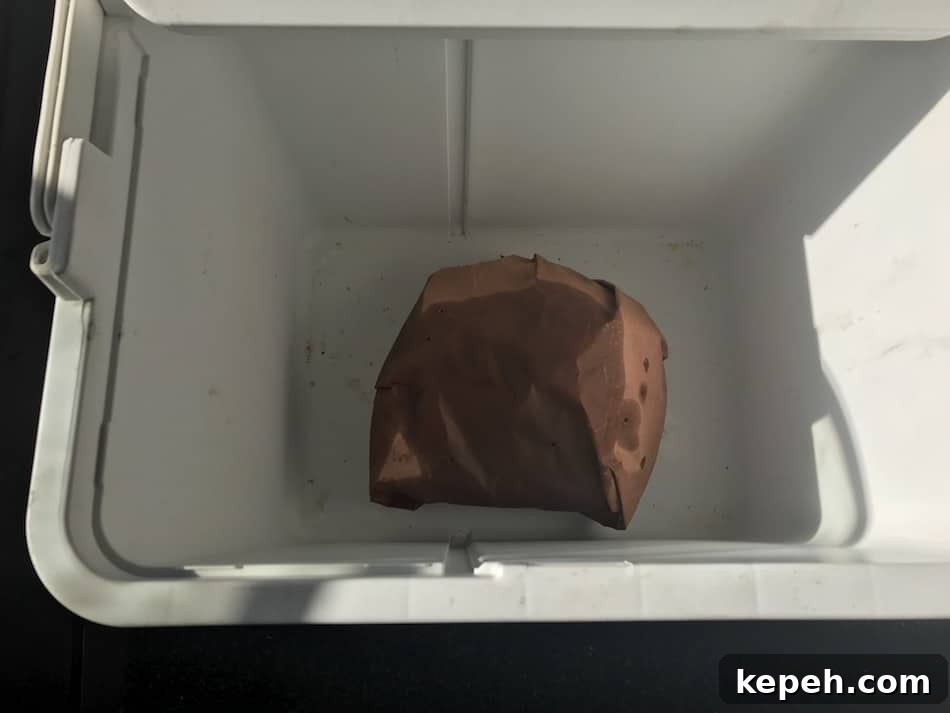
Allow Adequate Resting Time
Rest the wrapped pork for at least one hour before shredding or slicing. Resting lets the juices redistribute and the muscles relax, producing juicier meat. For holding, a dry cooler keeps the pork warm for several hours; keep a probe inserted if you’re holding it for an extended time.
Shredding Shoulder For Pulled Pork
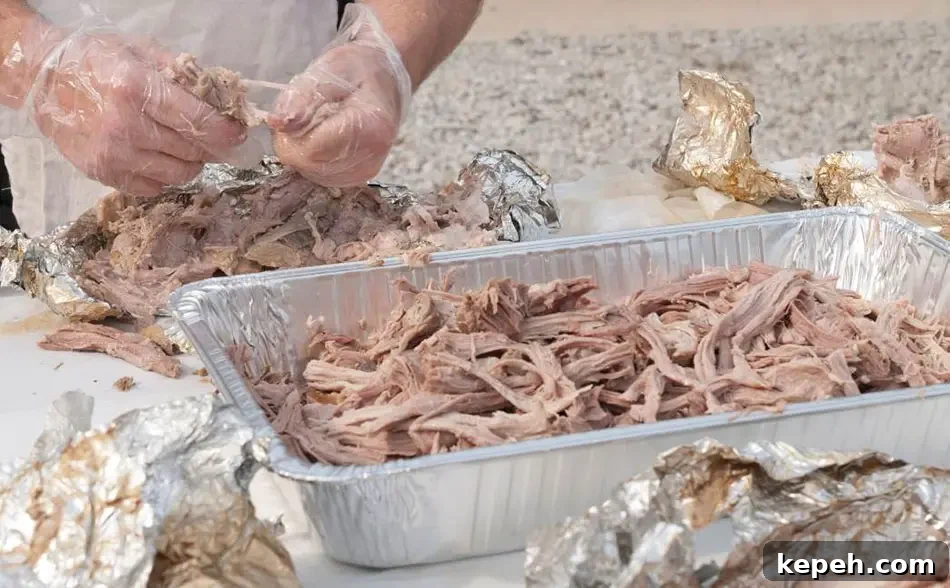
Shred with two forks, a meat shredder, bear claws, or by hand (using heat-proof gloves). Shred just before serving to preserve moisture. Add some of the meat juices or rendered fat back into the shredded pork for extra juiciness and flavor, and finish with barbecue sauce or additional seasoning as desired.
Injecting The Shoulder
Injecting can add moisture and flavor for competition-style cooks or large shoulders. Typical injectables include broth, apple juice, wine, and spices. Inject sparingly to avoid overpowering the rub. Properly injected shoulders can remain juicier after long cooks.
Brining Pork Shoulder — Does It Help?
Pre-brining with salt and water can improve tenderness and moisture retention by breaking down muscle fibers. A simple brine—water, kosher salt, and optional aromatics—left overnight will help the meat retain juices during the long cook. Rinse and dry before applying rub if you brine.
How Long Does Pork Shoulder Stall?
The stall commonly occurs around 150–160°F when evaporative cooling holds the internal temperature steady or causes a temporary drop. It can last several hours. To manage the stall, use a water pan to raise humidity, wrap the meat to retain heat, add fuel to raise the smoker temperature slightly, and monitor with a reliable thermometer. Wrapping is the most common way to push through the stall faster.
Recommended Smoking Tools
Reliable tools make smoking simpler: a dual-probe thermometer for smoker and meat, a fast instant-read thermometer for spot checks, quality butcher paper or foil for wrapping, and, for advanced cooks, a wireless multi-probe controller to monitor and control temps remotely. Invest in gear that fits your needs and budget to get consistent results.