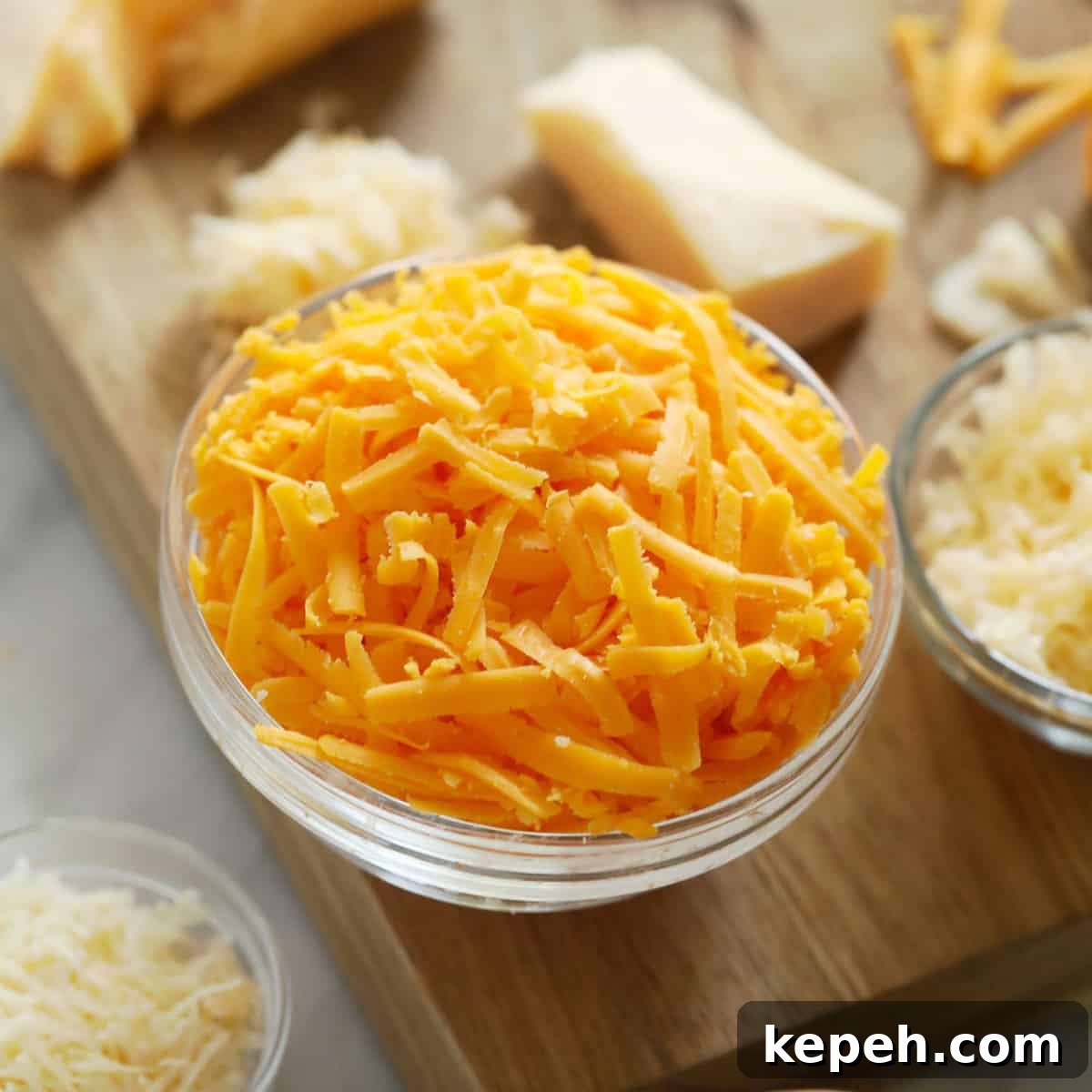
Did you know there is more than one way to grate cheese? If you don’t have a box grater, don’t worry — you can use a food processor, a citrus zester, or even a knife to get great shredded cheese at home.
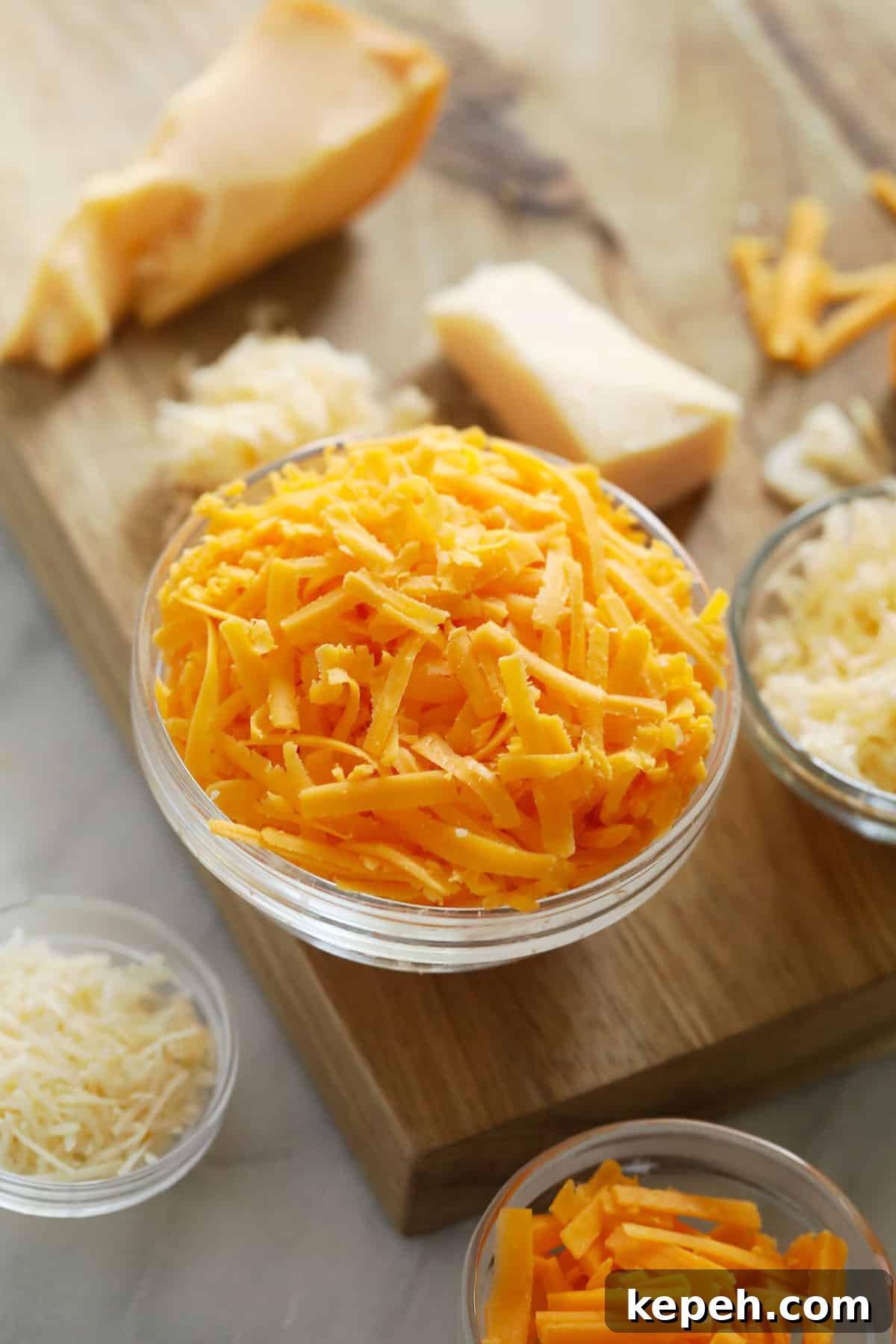
When a recipe calls for shredded cheese, you can choose between store-bought shredded cheese or grating your own. While pre-shredded cheese is convenient, grating cheese at home gives you fresher-tasting shreds without the anti-caking additives found in many packaged blends. Freshly grated cheese also melts more smoothly, which makes a difference in dishes like mac and cheese, soups, and casseroles.
Below are four simple methods to grate cheese: 1) cheese grater, 2) food processor, 3) zester, and 4) knife.
Grating Cheese with a Cheese Grater
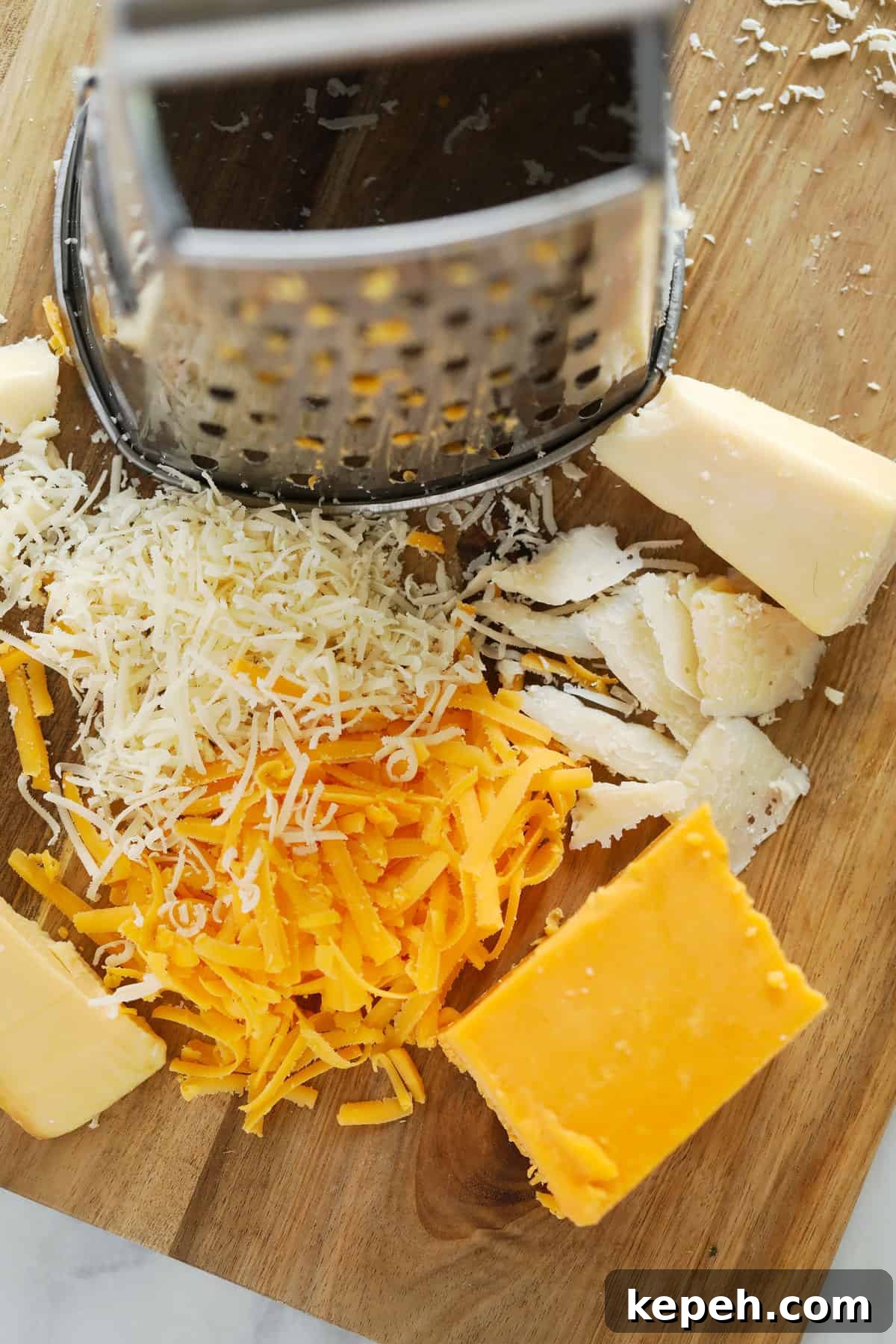
The classic method is a cheese grater. The most common styles are the box grater and the handheld grater:
- Box cheese grater — A box grater usually has multiple grating surfaces for coarse, medium, fine shreds and sometimes a slicing side, making it versatile for different recipes.
- Handheld cheese grater — A handheld grater is compact and quick to use for small amounts. It typically offers a single shredding thickness and is handy for fast prep.
What is the downside to a handheld grater?
The main drawback is that grating large quantities by hand can be tiring and might give you a hand cramp. Still, a handheld grater is a useful tool to keep in the kitchen for quick tasks.
Use a Food Processor to Grate Cheese
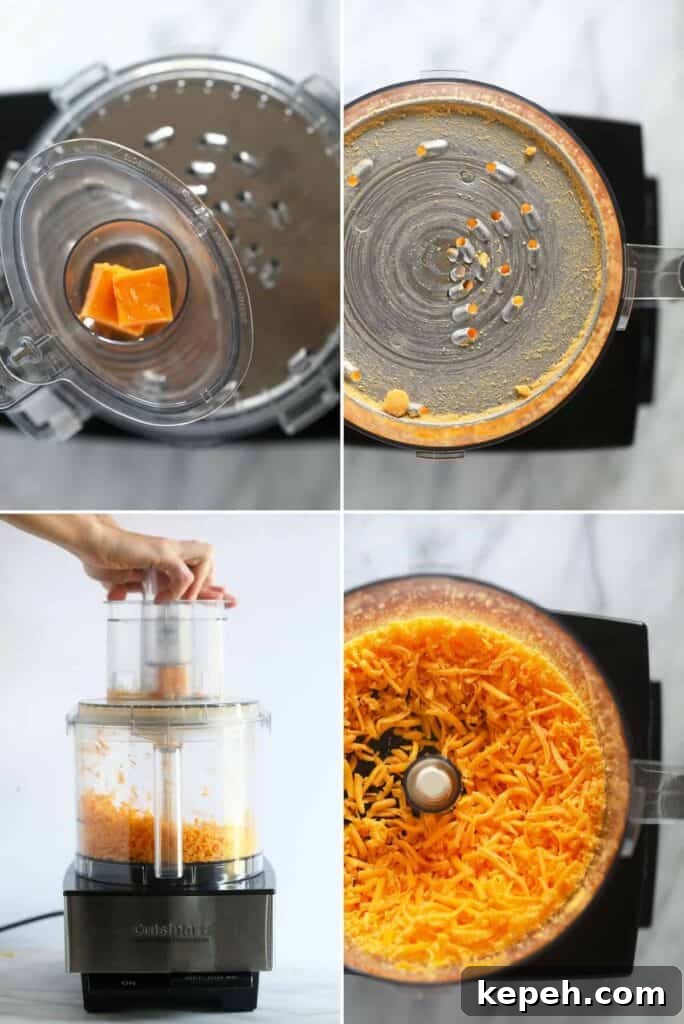
Using a food processor is one of the fastest ways to grate cheese and ideal when you need larger amounts. Most food processors include a shredding disc or attachment; when available, this method produces even, consistent shreds quickly.
How to Shred Cheese in a Food Processor
- Check that your food processor includes a shredding disc or shredding attachment.
- Decide whether you want a fine or medium shred and attach the appropriate disc.
- Cut a cold block of cheese into pieces that will fit in the feed chute — either cubes or long rectangles.
- With the lid in place, turn the food processor on and feed the cheese through the chute, using the pusher to guide it safely.
Here’s a tip!
Keep the cheese cold — it shreds more cleanly when it comes straight from the refrigerator.
Grate a Block of Cheese with a Zester
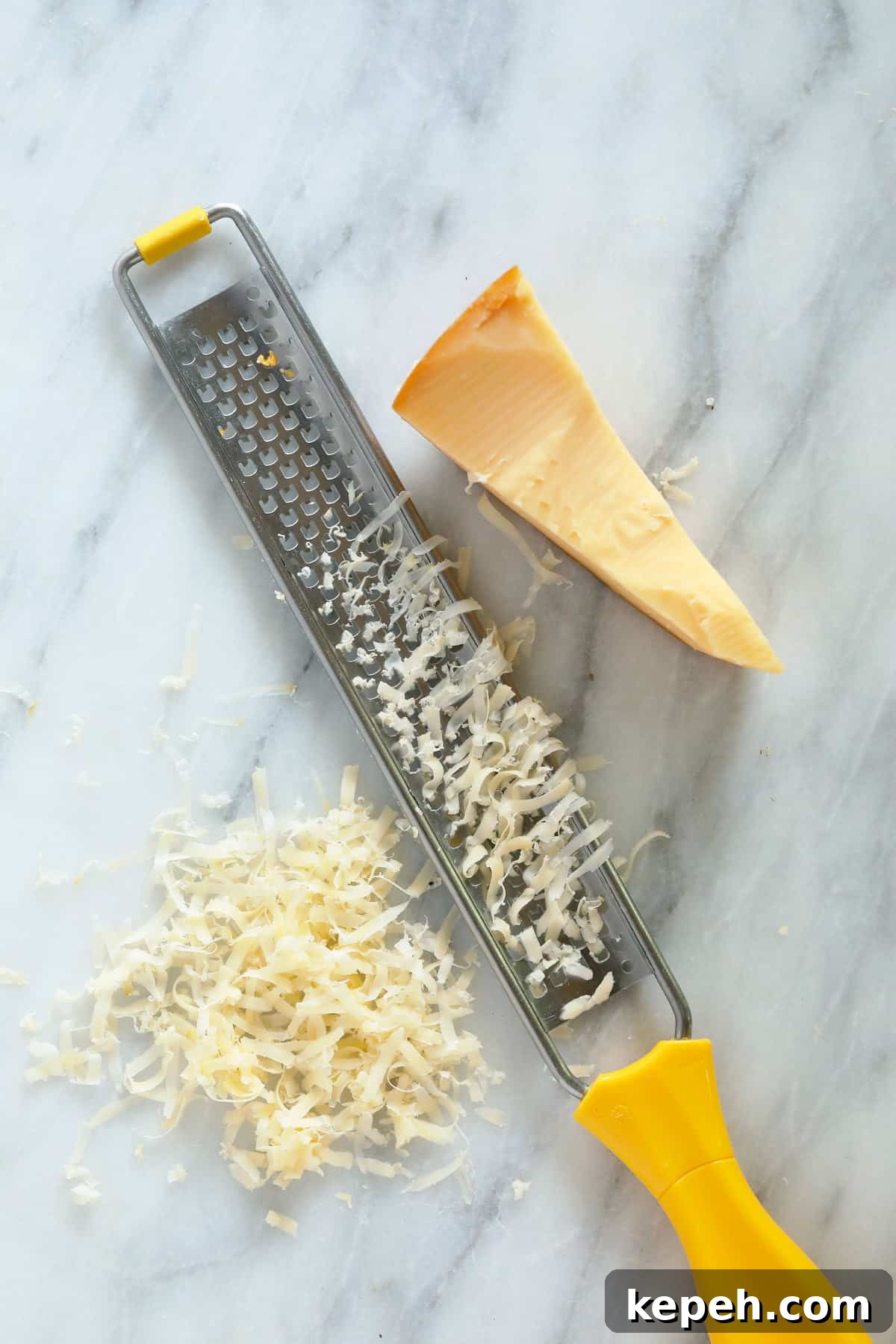
If you don’t have a grater or food processor, a zester will work well for finely grated cheese. A zester produces small, delicate shreds that are perfect for garnishes, citrusy salads, or finely textured toppings.
Use the zester the same way you would a hand grater: hold the cheese firmly and run it across the zester’s holes until you have the amount needed.
Use a Knife + Chop to Shred Cheese
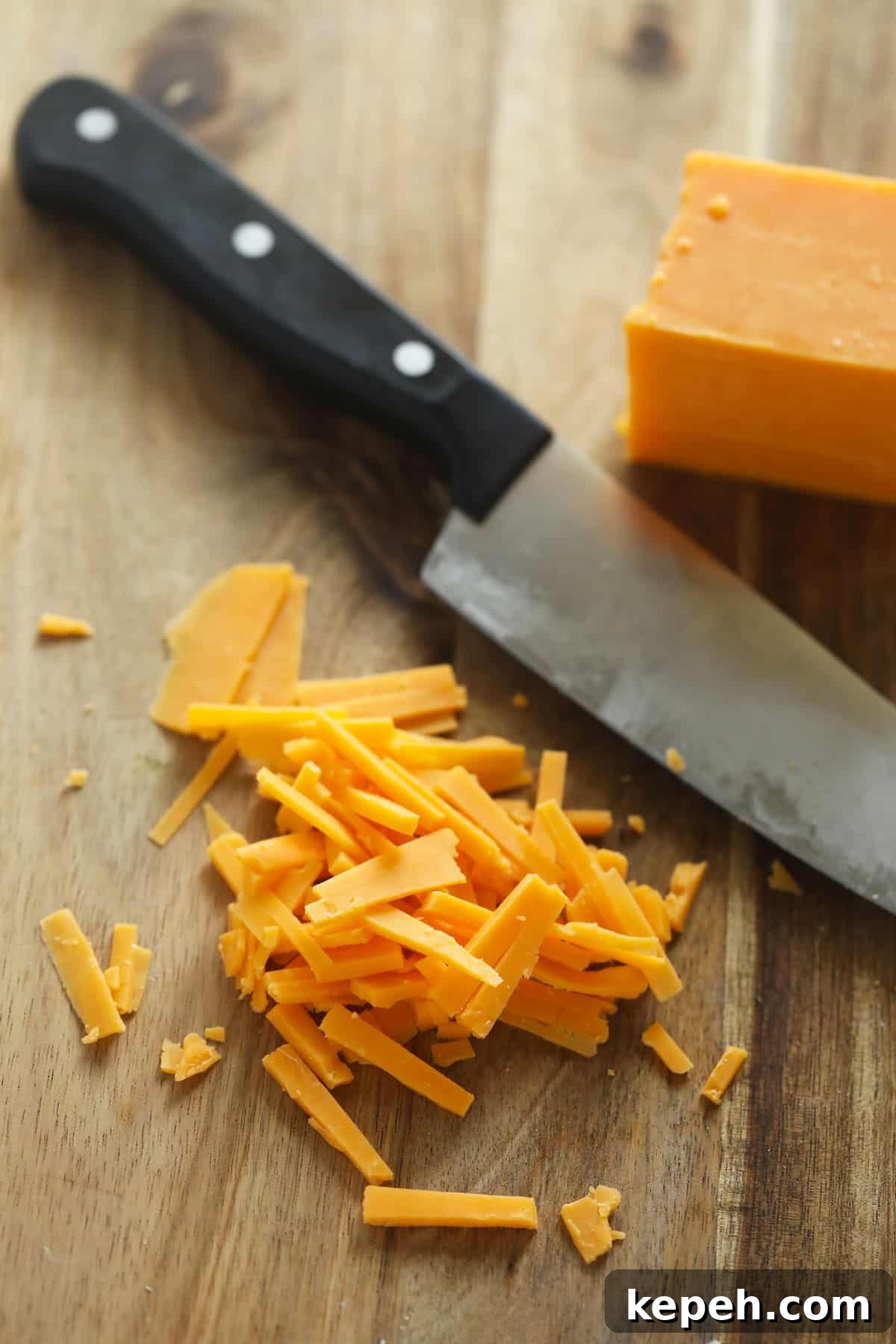
If you lack a grater, food processor, or zester, a sharp knife and a bit of time can produce a shredded-like texture. This method works best with a cold, firm cheese.
- Start with a cold block of cheese. Slice off a thin piece from the block.
- Lay the slice flat and cut it into thin strips, then cut those strips into thin matchsticks (similar to matchstick-cut carrots).
- Continue until you have the desired amount of cheese.
More of our favorite recipes using shredded cheese
Shredded Cheese Recipes
- Broccoli Cheese Soup
- Crispy Parmesan Chicken Nuggets
- Classic Mac and Cheese
How to Grate Cheese (without a grater)
Ingredients
- 8 oz. hard cheese, any kind, cold
Instructions
Cheese Grater + Zester
- Place a cheese grater or zester on a cutting board and stabilize it.
- Press the cheese against the grater and move it across to shred.
- Continue until you have the desired amount.
Food Processor
- Cut the cheese into cubes or rectangles that will fit the feed chute.
- Attach the shredding disc, secure the lid, and open the feed chute.
- Turn on the processor and feed the cheese through using the pusher.
Knife
- Slice a cold block of cheese thinly, then cut the slices into thin matchsticks.
- Repeat until you have enough shredded-style pieces.
Tips & Notes
- Nutrition information is based on extra sharp white cheddar and is approximate.
Nutrition
Nutrition information is automatically calculated and should be used as an approximation.
Love this? Leave a comment below!
Share your results on social media with the hashtag #cheeseknees — we’d love to see what you make!