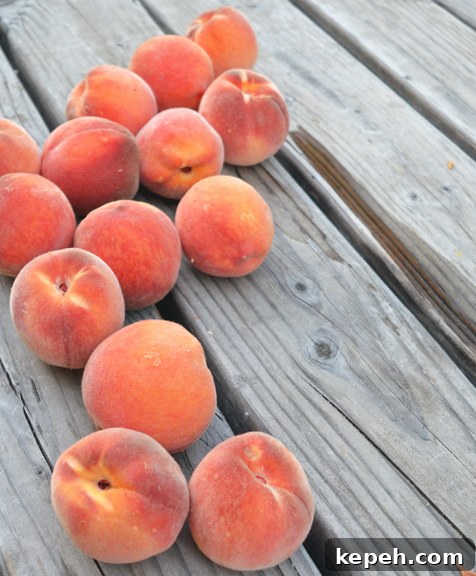
It’s possible to can your own baby food, but just the fruit.
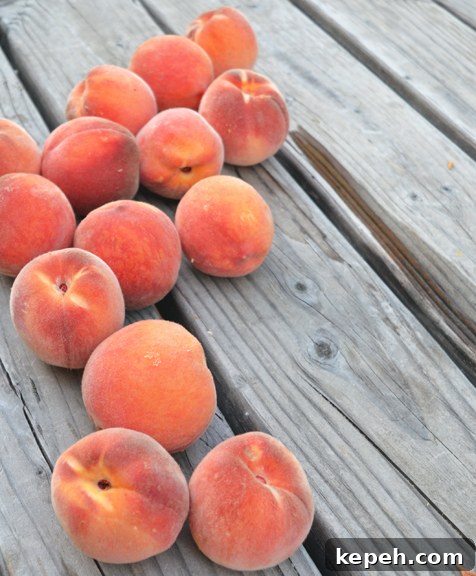
Now that August is here and the canning season is in full swing, many parents ask: can I can my own baby food? The short answer is yes, but with important limitations.
The only safe home-canned baby foods are fruit purees, and even then not every fruit is suitable for canning. Understanding which fruits work and how to process them will keep your baby safe and let you enjoy seasonal produce in a convenient form.
Best Fruits for Baby Food
Mild, low-acid fruits that can be peeled and pureed without seeds are the best choices. Good options include peaches, nectarines, apricots, plums, apples and pears. These fruits mash or puree smoothly and create pleasant textures and flavors for babies. Combinations—like apple-peach blends—also work well. Cherry is sometimes blended with other fruits but is rarely used alone for baby jars.
Fruits Not Suitable for Baby Food
Certain fruits have no safe home-processing method and should not be canned for baby food. Avoid canning figs, melons, papaya, mango and coconut. Bananas are also unsuitable: their pH can vary and their dense, starchy texture does not produce a reliable canned product. Tomato and other vegetable purees should never be canned for baby food at home.
How to Can Baby Food Fruit Puree
- Peel and remove pits from the fruit.
- Coarsely crush the fruit and add about 1 cup of water for every 4 cups of crushed fruit.
- Cook over medium heat until the fruit is soft, then mash or puree to the desired consistency.
- Return the puree to the saucepan and reheat until it reaches a full boil.
- Pack the hot puree into clean half-pint or quarter-pint jars, leaving 1/2 inch headspace.
- Remove air bubbles, wipe jar rims, apply lids and process the jars in a water-bath canner for 20 minutes.
If you are new to water-bath canning, follow a reputable step-by-step guide specific to your altitude and equipment to ensure safety.
How to Serve Homemade Canned Baby Food
When it’s time to serve home-canned fruit puree to your baby, follow these safety steps:
- Bring the puree to a boil.
- Reduce heat and simmer for 10 minutes.
- Allow it to cool to a safe temperature before serving.
- Store any opened leftovers in the refrigerator and use within two days.
Is There an Easier Way?
Canning can be time-consuming. If you want simpler methods that still let your baby eat homemade fruit purees, consider these alternatives:
1. Follow the cooking steps above, but freeze the jars instead of processing them in a water-bath canner. Frozen jars are a convenient, safe option if you don’t need shelf-stable storage.
2. Can whole fruit in water or unsweetened apple juice (rather than sugar syrup), and puree the fruit after opening the jar. This reduces added sugars and gives you control over texture at serving time.
3. Freeze fresh fruit in portions, then thaw, cook and puree as you need it. This preserves seasonal fruit without the canning process.
Whichever method you choose, keep these key points in mind:
- You can make your own baby food at home.
- Only fruit purees are safe to home-can for baby food; do not can meats, vegetables, dairy or mixed meals for infants at home.
- Using the freezer instead of the canner is a practical choice for many families and avoids some of the risks of improper canning.
If you have further questions about canning technique, safety, or which recipes are suitable for babies, consult reliable resources on home food preservation or a trusted canning guide for detailed instructions tailored to your altitude and equipment.
References: Baby food information, canning and serving directions adapted from trusted home-preservation sources and university extension guidance.