Drying mushrooms is an effective way to preserve their flavor, extend shelf life, and create a convenient pantry ingredient. Whether you want to save a seasonal bounty, intensify mushroom flavor for soups and sauces, or prepare lightweight ingredients for travel, drying is simple when you follow best practices. Below is a clear, practical guide to preparing, drying, storing, and rehydrating mushrooms, plus a comparison of dried versus fresh.
Preparation
Begin with fresh, firm mushrooms. Discard any that are slimy, overly soft, or heavily spotted, as these indicate spoilage and will not dry properly. Choose specimens that still feel dense and have a pleasant aroma.
Clean mushrooms gently to remove dirt. Use a damp cloth, paper towel, or soft brush to wipe off soil and debris. Avoid rinsing under running water whenever possible, since mushrooms soak up moisture quickly and added water increases drying time and can affect texture.
Slice mushrooms evenly to ensure consistent drying. Aim for approximately 1/4 inch (6 mm) thickness for most varieties; thicker slices take longer to dry, while very thin slices dry faster. Keep stems attached or remove them depending on the recipe you plan to use—both caps and stems dry well when cut uniformly.
Mushroom Drying Methods
There are three reliable methods to dry mushrooms: air drying, oven drying, and using a dehydrator. Each method has advantages depending on mushroom size, quantity, and available equipment.
1. Air Drying
Air drying is low-tech and works best for small mushrooms or thinly sliced pieces. Arrange the slices in a single layer on a wire rack or hang whole small mushrooms on string in a well-ventilated space. Make sure pieces do not overlap so air can circulate freely.
Place the rack in a dry, airy spot with low humidity and good airflow. Avoid direct sunlight, which can bleach and unevenly dry the mushrooms. Turn the slices occasionally to promote uniform drying. Expect this method to take several days up to a week depending on ambient conditions; patience yields concentrated, clean flavor.
2. Oven Drying
Oven drying is faster and accessible for most home cooks. Preheat the oven to its lowest setting—typically about 150°F (65°C) or the warm setting. Use an oven thermometer if you want to be precise.
How to dry mushrooms in the oven?
Arrange mushroom slices on a baking sheet lined with parchment paper or on an oven-safe rack so air can circulate underneath. Keep the oven door slightly ajar to allow moisture to escape; you can prop it open with a wooden spoon.
Check and turn the slices every 30 to 60 minutes for even drying. Depending on thickness and water content, drying time ranges from 2 to 8 hours. Remove mushrooms when they are brittle and snap easily, with no spongy areas remaining.
3. Dehydrator
A food dehydrator offers consistent temperature control and airflow, making it the most efficient method for drying large batches. Place slices in a single layer on the trays, avoiding overlap.
What Temp to Dehydrate Mushrooms?
Set the dehydrator to about 125°F (52°C) for reliable results. Drying times typically range from 4 to 12 hours depending on size and moisture. Periodically check for brittleness and rotate trays if your machine requires it for even airflow.
Mushrooms are fully dried when they break easily and show no signs of softness or moisture. Thorough drying prevents mold during storage and preserves concentrated mushroom flavor.
How To Store Dried Mushrooms
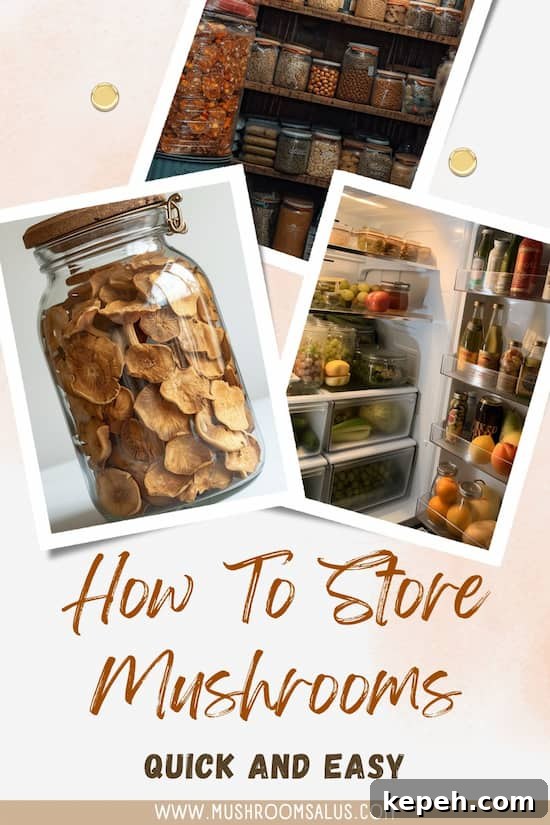
Allow dried mushrooms to cool completely before storing. Warmth trapped in containers can create condensation, which invites mold growth. Once fully cooled, package mushrooms in airtight containers, glass jars, or vacuum-sealed bags.
Use Airtight Containers
Airtight containers block moisture and odors. Vacuum sealing is ideal because it reduces oxygen exposure and further extends shelf life. Be sure containers are clean and dry before packing.
Place in a Dark, Cool Location
Store containers in a cool, dark, and dry place—such as a pantry or cupboard away from heat sources. Avoid direct sunlight and humid areas. Properly dried and stored mushrooms can retain quality for a year or more, ready to add depth to many recipes.
How To Rehydrate Dried Mushrooms
To rehydrate, place dried mushrooms in a bowl and cover them with warm water. Let them soak for 20 to 30 minutes until they regain a pliable texture. Larger or thicker pieces may need slightly longer.
Reserve the soaking liquid after straining it through a fine sieve or coffee filter to remove grit. This flavorful liquid is a concentrated mushroom stock that enhances soups, stews, risottos, and sauces. Use both the rehydrated mushrooms and the strained liquid in your cooking to maximize flavor.
Dried vs. Fresh Mushrooms
Drying mushrooms concentrates their umami and aroma, offering a richer, more intense flavor than fresh mushrooms. This concentrated taste makes dried mushrooms particularly well suited for broths, sauces, and long-simmered dishes.
Dried mushrooms also provide longer shelf life and compact storage. They are lighter and take up less space in the pantry, making them convenient for meal planning, travel, or outdoor activities. While fresh mushrooms offer a different texture and brightness, dried mushrooms are a versatile, flavor-packed option that complements many recipes.
With these methods and storage tips, you can confidently dry mushrooms at home and enjoy their deep, savory flavors year-round.