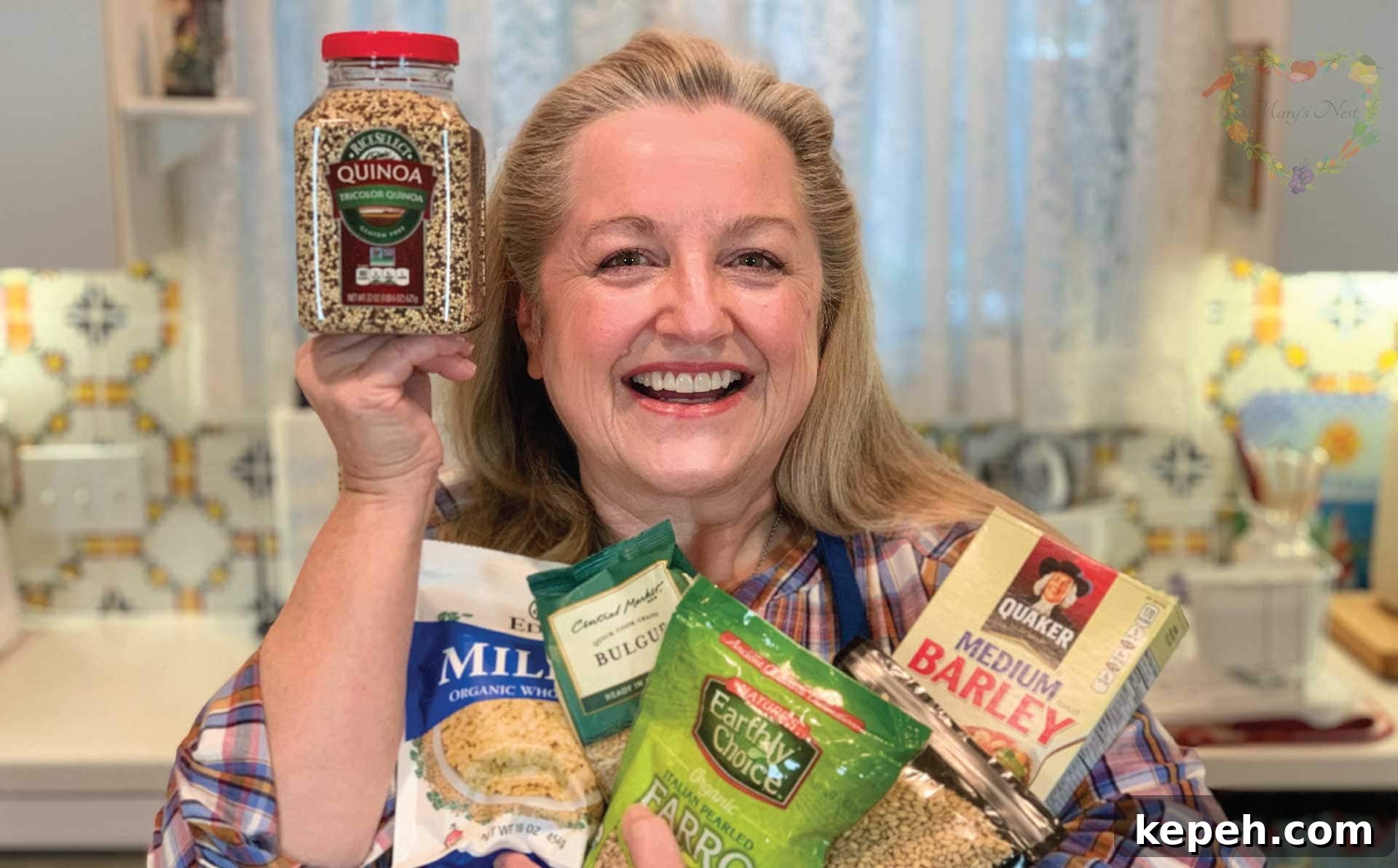
Learn the best techniques for cooking whole grains, tailored to each grain’s texture and cooking needs.
Affiliates note: As an Amazon Associate I earn from qualifying purchases. My content may contain affiliate links. If you click and buy, I may receive a small commission at no extra cost to you.
Table of Contents
- Why Cook Whole Grains
- Three Methods for Cooking Whole Grains
- Pasta Method for Cooking Grains
- A Note About Oat Groats
- Absorption Method for Cooking Grains
- Pilaf Method for Cooking Grains
- How to Shorten Cooking Times
- Other Benefits of Soaking Grains
- More Whole Grain Videos
- Grand Teton Ancient Grains
- Grind Your Own Flour with the Mockmill
- The Modern Pioneer Cookbook
- Download Your Free 36-Page Pantry List
- The Modern Pioneer Pantry
- Join the Traditional Foods Kitchen Academy
- Kitchen Academy Videos
- Shop for items used in this blog post or video
Why Cook Whole Grains
Whole grains are not just for grinding into flour. Cooked intact, they make satisfying mains, hearty side dishes, additions to salads and soups, or flavorful stuffing for vegetables and poultry.
Beyond taste and texture, whole grains are nutrient-dense. They provide fiber, plant-based protein, B vitamins, antioxidants, and essential minerals such as iron, zinc, copper, and magnesium. Research links whole-grain consumption to reduced risk of obesity, type 2 diabetes, heart disease, and certain cancers.
Three Methods for Cooking Whole Grains
Choosing the right cooking method ensures consistent, tasty results. The three primary approaches are:
- Pasta Method
- Absorption Method
- Pilaf Method
Firm, dense grains generally do best with the Pasta Method—cooked in abundant boiling water—while more tender grains cook well with the Absorption Method. The Pilaf Method is a variation of Absorption: grains are toasted first to develop flavor, then finished by absorption.
Pasta Method for Cooking Grains
The Pasta Method mirrors how you cook pasta: plenty of boiling water, stirring occasionally, then draining. A common guideline is 8 cups of boiling water per 1 cup of uncooked firm grain. Salt the water if desired.
Firm whole grains that benefit from this method include (with typical cooking times):
- Cracked Wheat: 15–20 minutes
- Einkorn: 30–40 minutes
- Emmer (Farro): 15–20 minutes
- Kamut: 40–60 minutes
- Hard Wheat Berries: 45–60 minutes
- Oat Groats: about 30 minutes
- Rye Berries: 50–60 minutes
- Soft Wheat Berries: 30–45 minutes
- Spelt: 45–50 minutes
Test grains near the shorter end of the time range. You want them tender and chewy—not mushy—akin to al dente pasta. While some packaging suggests absorption cooking, firm grains often cook more evenly and predictably with the Pasta Method.
A Note About Oat Groats
Oat Groats are versatile and can be used as savory or sweet dishes. Cooked oat groats tossed with butter and salt make a savory base for soups or salads, and they can also be prepared into creamy soaked oatmeal for breakfast.
Absorption Method for Cooking Grains
The Absorption Method measures grain and liquid so the grain cooks as it absorbs the water—similar to how you cook rice. Bring the liquid to a boil, stir in the grain, cover, reduce to low heat, and simmer until the liquid is absorbed. After cooking, let the pot rest covered for five minutes, then fluff with a fork.
Some tender grains are first toasted (Pilaf Method) to enhance flavor, then finished by absorption. Typical ratios and times for one cup of grain:
- Amaranth: 1½ cups water, 20 minutes
- Buckwheat: 1¾ cups water, 20 minutes
- Bulgur wheat: 2 cups water, 10 minutes
- Millet: 3 cups water, 30 minutes
- Quinoa: 2 cups water, 15 minutes
Broths to Use for the Absorption Method
Water is not your only option. Use chicken, beef, pork, or vegetable broth, or flavor the cooking liquid with citrus, tomato, herbs, or spices to boost the grain’s taste.
Pilaf Method for Cooking Grains
The Pilaf Method begins by toasting the grain—dry or in fat—to deepen flavor. After toasting, add the measured liquid and finish by the Absorption Method. Toasting makes many tender grains more flavorful.
Note: Bulgur is pre-steamed and partially processed, so toasting before absorption can cause a gummy texture. Skip toasting for Bulgur and use the Absorption Method directly.
How to Shorten Cooking Times
Soaking grains overnight reduces cooking times significantly. Soaked firm grains can cut about 20 minutes off cooking time, while soaked tender grains often cook in just minutes.
Other Benefits of Soaking Grains
Soaking improves digestibility and reduces phytic acid, which can bind some minerals and limit absorption. Soaking doesn’t remove all phytic acid—so you still get its antioxidant benefits—while making more minerals available for absorption.
More Whole Grain Videos
For more guidance on which grains to store, how to store them, and how to mill your own flour, explore the following resources and videos.
Grand Teton Ancient Grains
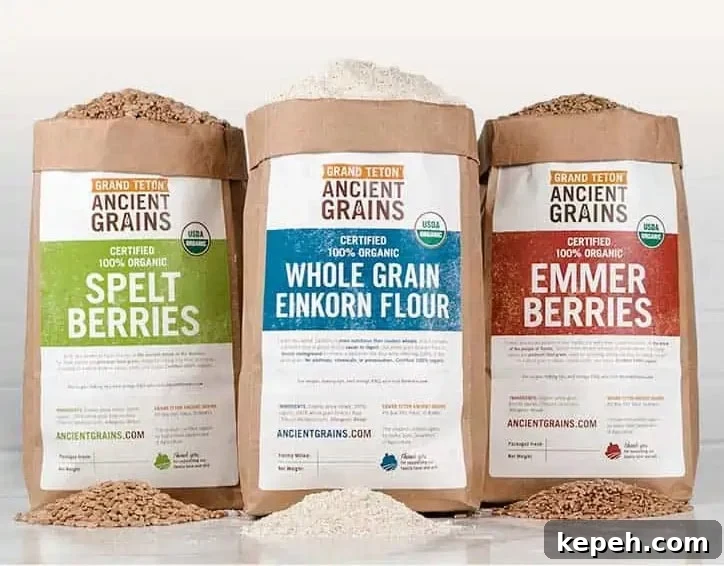
Grand Teton Ancient Grains offers organic berries and flours such as Einkorn, Emmer, Spelt, and Millet—great options for nutritious baked goods.
Exclusive Newsletter Discount Code
Sign up for the newsletter to receive an occasional discount code for their products. If you plan to bake with ancient grains, it’s a convenient way to stock up.
Grind Your Own Flour with the Mockmill
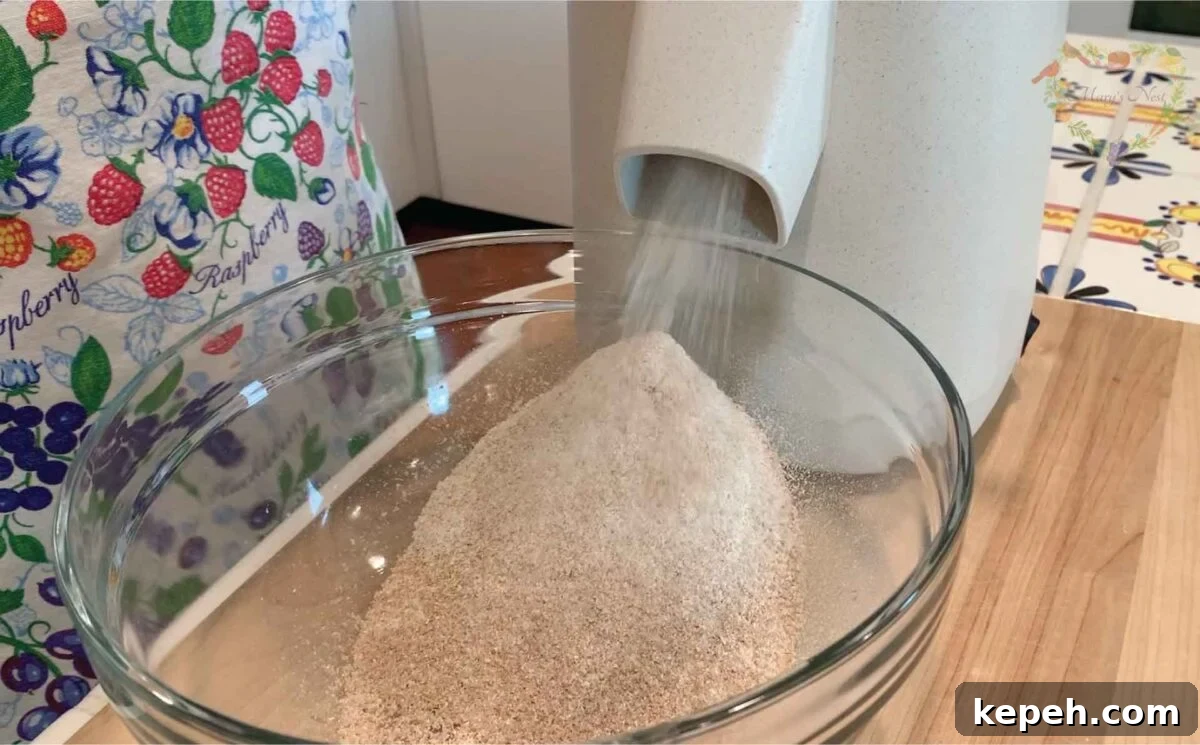
If you mill your own flour, the Mockmill is an affordable, German-made electric stone grain mill with settings from fine to coarse. It’s a practical option for making fresh flour at home.
Order YOUR COPY Now!
The Modern Pioneer Cookbook
Over 85 traditional, from-scratch recipes using seasonal ingredients and timeless techniques. Learn to cook nourishing, from-scratch meals the modern pioneer way.
Download Your Free 36-Page Pantry List
Download a comprehensive Traditional Foods Pantry List that includes recipes, videos, and helpful articles to build a well-stocked pantry.
Order YOUR COPY Now!
The Modern Pioneer Pantry
More than 100 recipes for preserving food and turning pantry staples into wholesome meals—ideal for building a traditional, practical pantry.
Join the Traditional Foods Kitchen Academy
For more in-depth traditional foods content, consider joining the Traditional Foods Kitchen Academy, a membership community with exclusive videos and member perks.
Kitchen Academy Videos
See all →
Baking with Whole Grains: The Maslin Method, Grain Mills, and America’s Bread Basket
Explore whole grain baking with the Maslin Method, fresh-milled flour, and heritage wheats.
A Sweet Season of Celebration and New Beginnings with The Maslin Method Baking School Series
A look at a book tour and the launch of The Maslin Method Baking School for traditional baking.
Why We Should Incorporate Mackerel Into Our Diet
Ideas for easy and nourishing ways to enjoy mackerel.
Shop for items used in this blog post or video
Favorite Whole Grains
- Einkorn Berries
- Spelt Berries
- Kamut Berries
- Whole Wheat Berries
- White Whole Wheat Berries
- Rye Berries
- Oat Groats
Favorite Kitchen Supplies
- Favorite Aprons
- Spice Grinder
- Countertop Burner
- Handheld Vacuum Sealing System
- Vacuum Lids
- Whisk
- Silica Gel Packets
- Cast Iron Dutch Oven
- 8-Quart Slow-Cooker
- Fat Separator
- Flour Sack Towels
- pH Strips
Recommended Reading
- The Modern Pioneer Cookbook
- The Modern Pioneer Pantry
- Nourishing Traditions
- Einkorn: Recipes for Nature’s Original Wheat
- Baking with Whole Grains: Recipes, Tips, and Tricks
- Essential Eating Sprouted Baking