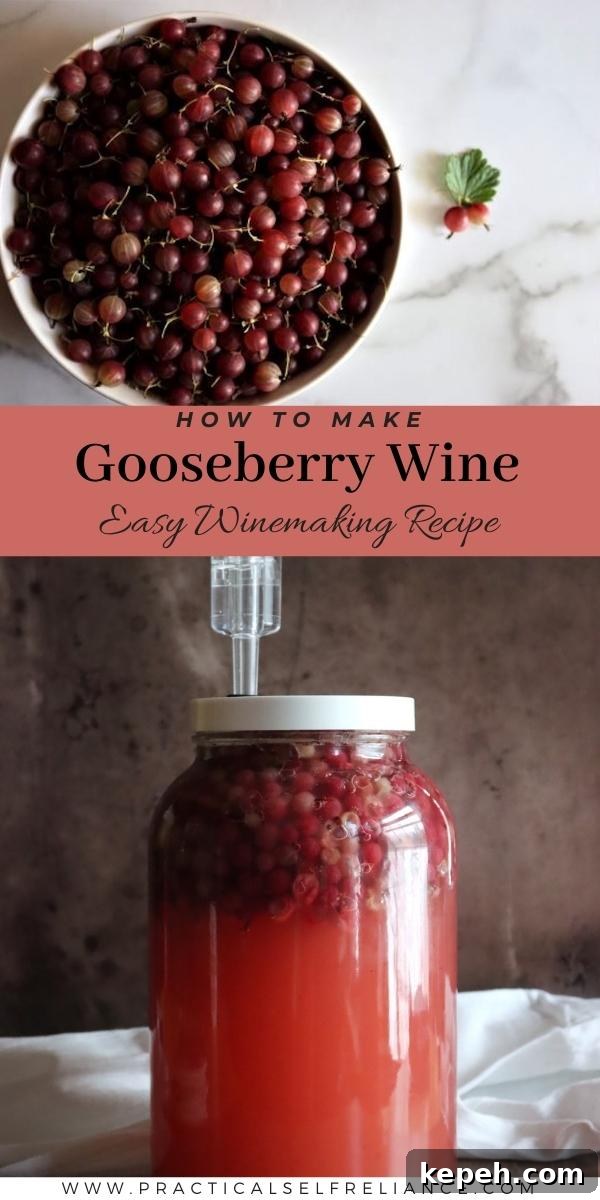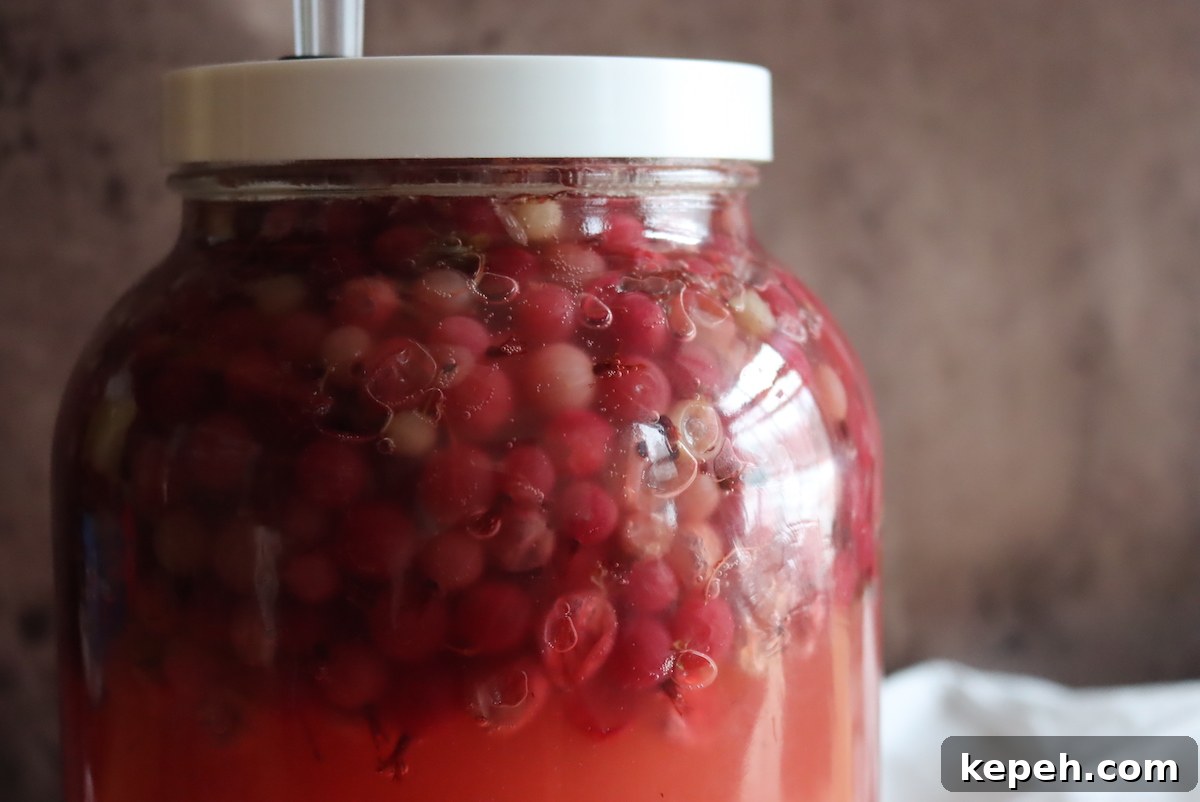
Gooseberry wine is an excellent way to enjoy these tart, short-season summer fruits. Add honey to transform this recipe into a rich gooseberry mead (gooseberry melomel).
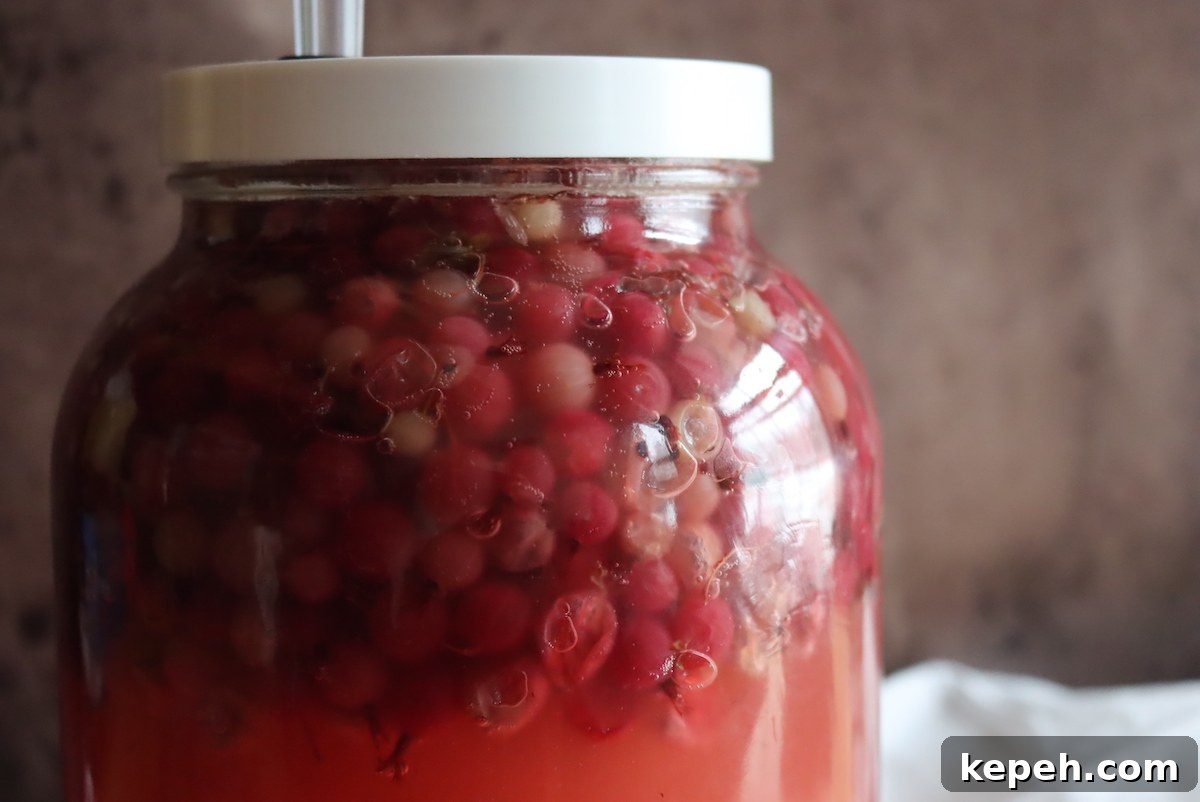
Gooseberries ripen for only a few weeks in late spring and early summer. They make wonderful jam and pies, but when you have enough fruit, fermenting them into wine yields a bright, refreshing beverage. Green gooseberries usually produce a white wine; pink and red varieties produce a rosé or blush-style wine. Both are delightful and worth the effort.
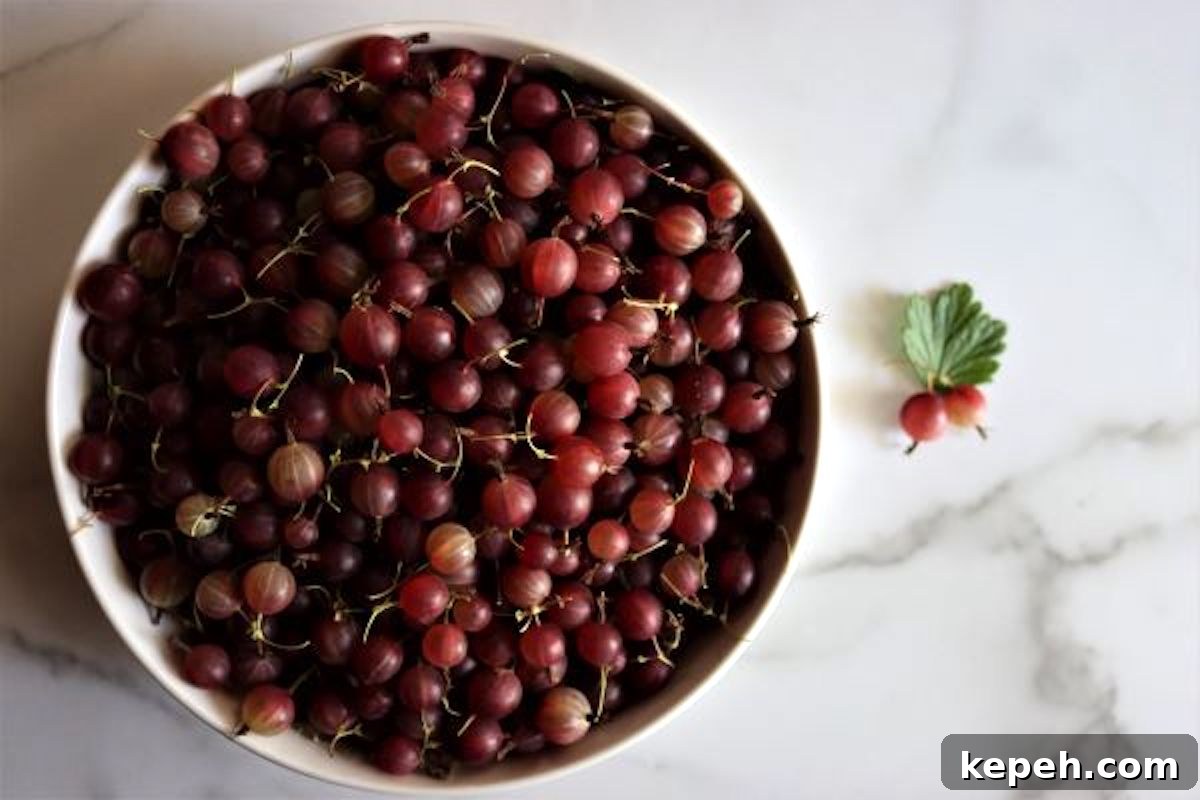
Gooseberry wine has a long history, with recipes dating back centuries. Modern methods typically use fully ripe fruit and often freeze the berries first. Freezing helps break down pectin and cell walls, improving flavor extraction and clarity in the finished wine.
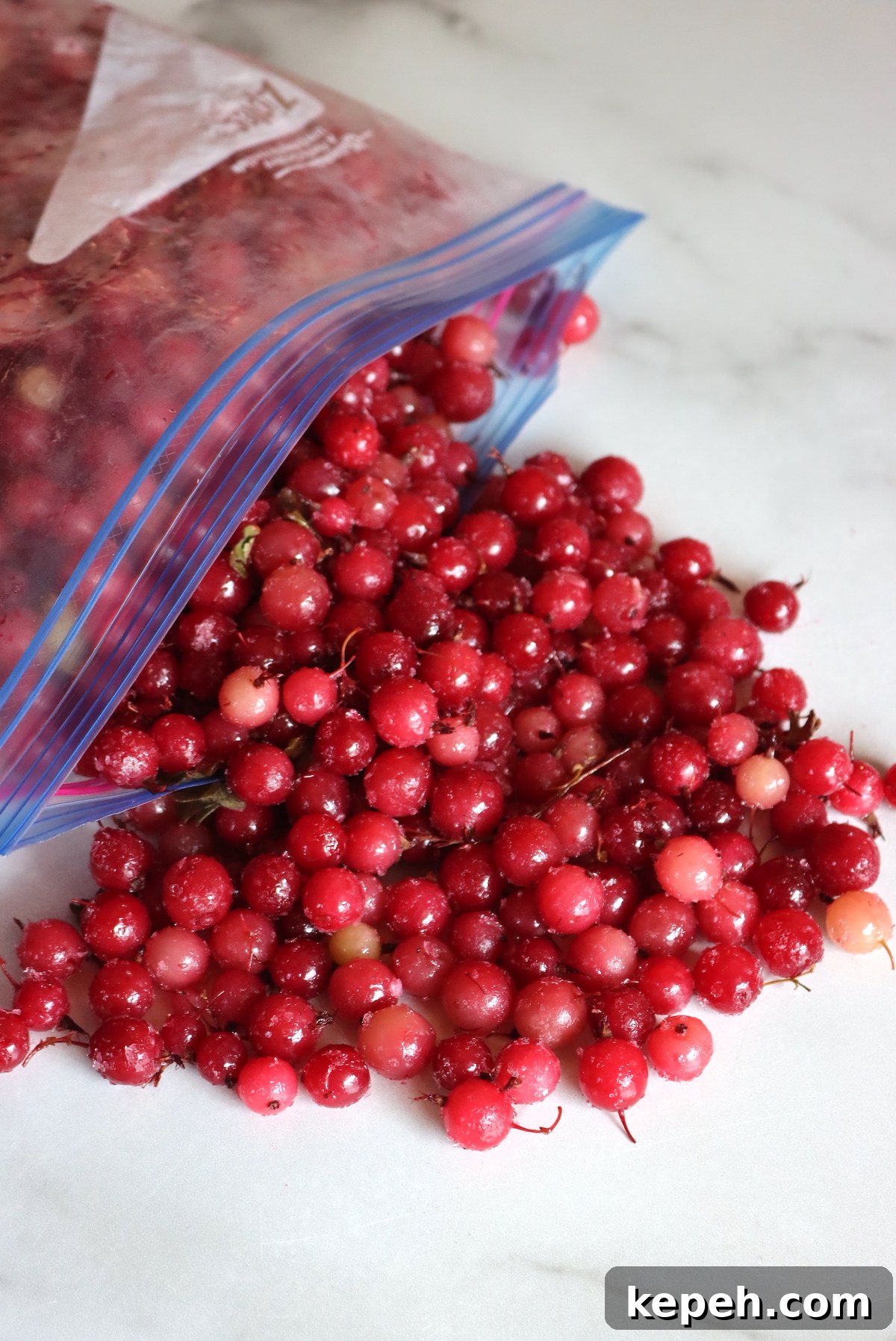
Making gooseberry wine follows the same basic steps as other small-batch country wines. The fruit ferments in the primary with sugar (or honey for a mead), yeast, pectic enzyme and a few other winemaking additives. After primary fermentation subsides, the wine is siphoned off the sediment into a clean vessel for secondary fermentation and clarification. Finally, the wine is bottled and aged for a smoother, more balanced result.
The instructions below assume basic familiarity with winemaking terms and procedures. If you are new to the craft, consult general winemaking guides to learn about sanitation, fermentation, racking and bottling prior to beginning.
Ingredients for Gooseberry Wine
For a one-gallon batch (about four bottles) you will need the following basic ingredients:
- 2-1/4 lbs gooseberries (about 1 kg or 7-1/2 cups)
- 5-1/2 cups sugar (or 3 lbs honey if making a mead)
- Water to fill
- 1 tsp yeast nutrient
- 1 tsp pectic enzyme
- 1/4 tsp wine tannin
- White wine or champagne yeast
Gooseberries are high in pectin, so pectic enzyme is essential to reduce haze. They also contain natural tannins, so only a small amount of added tannin is needed. Gooseberries are quite acidic, so an acid blend usually isn’t necessary. Choose a yeast suited for white or fruity wines; some popular choices for gooseberries include strains that handle high acidity well and preserve delicate aromatics.
Winemaking Equipment
Basic equipment required:
- One-gallon glass carboy (wide-mouth preferred)
- Rubber stopper and airlock
- Brewing siphon
- Wine bottles or flip-top bottles
- Bottle corker and clean corks (if using corked bottles)
- Brewing sanitizer
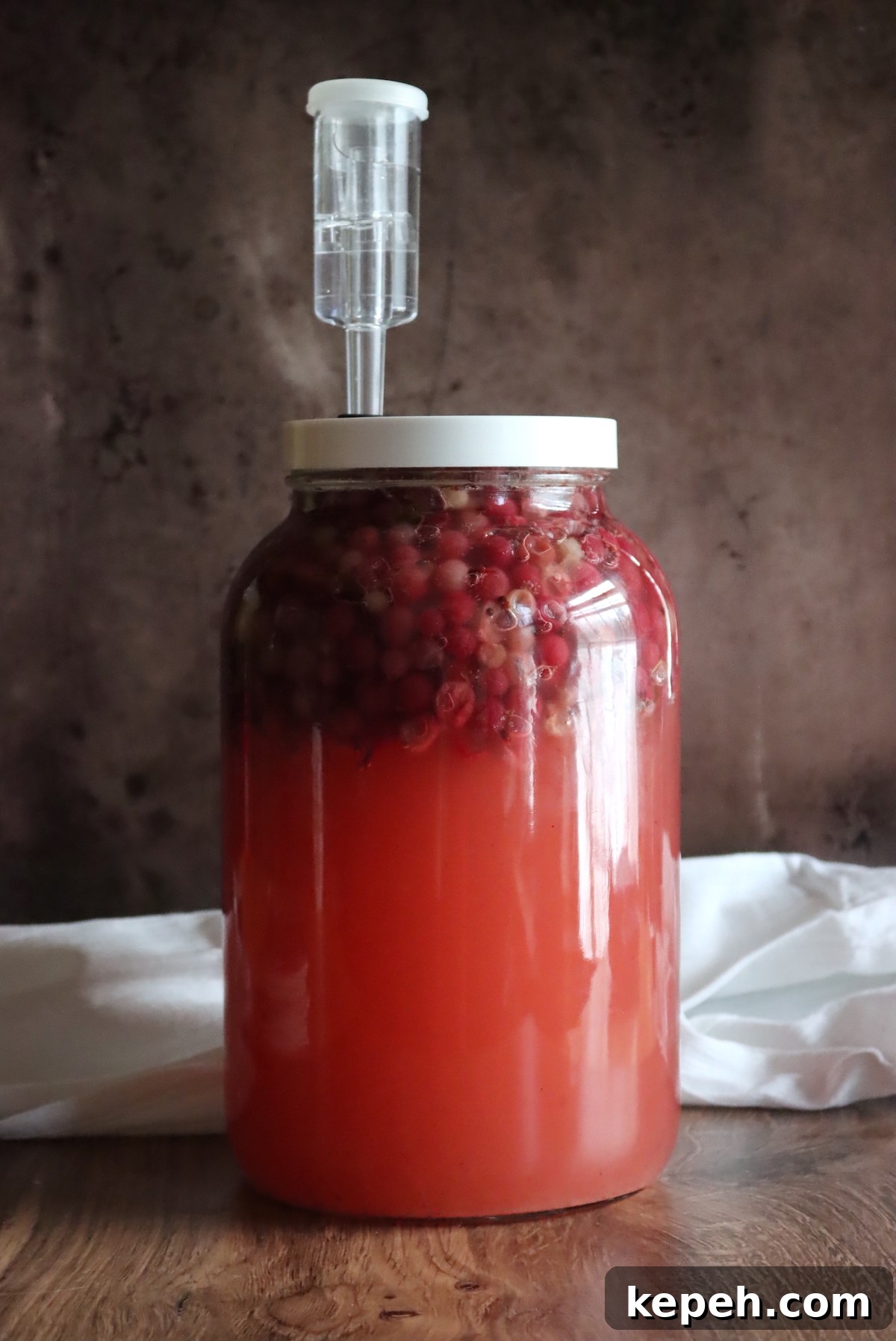
I prefer a wide-mouth one-gallon carboy when fermenting fruit in primary. The wider opening makes adding and removing fruit and pulp easier and helps prevent clogging. You can start fermentation in a large bucket, but a sealed carboy with an airlock keeps things cleaner and safer in a household environment.
Making Gooseberry Wine
Because gooseberries are high in pectin, freeze the fruit for about a week before starting to help break down pectins and cell walls. When you are ready, thaw the berries and transfer them to a wide-mouth carboy or place them in a brewing bag for easier removal later. Gently mash the berries with a potato masher, taking care not to crush the seeds excessively, which can increase pectin and bitter flavors.
Cover the mashed fruit with boiling water, then add the sugar, pectic enzyme, tannin and yeast nutrient. Stir until the sugar dissolves and the must has cooled to a safe temperature for yeast. Rehydrate or prepare your yeast according to the manufacturer’s instructions and add it last. Top with additional water, leaving about two inches of headspace, and seal the carboy with an airlock.
Primary fermentation typically lasts 7–10 days, or until vigorous bubbling slows. At that point, siphon the wine into a clean carboy for secondary fermentation, leaving sediment and fruit behind. Top up with water so the wine reaches the neck of the carboy, minimizing air exposure, and reseal with an airlock.
Allow the wine to ferment and clear in secondary. Clearing can take from six weeks to six months; many winemakers recommend a minimum of four months in secondary for gooseberry wine. Rack additional times as needed to separate the wine from sediment and encourage clarification.
Gooseberry Mead
If you use honey instead of sugar to make a mead (melomel), expect a longer secondary period. Honey-fermented wines often need more time for yeast to consume the available nutrients and for the mead to clear — plan on at least two to six months in secondary.
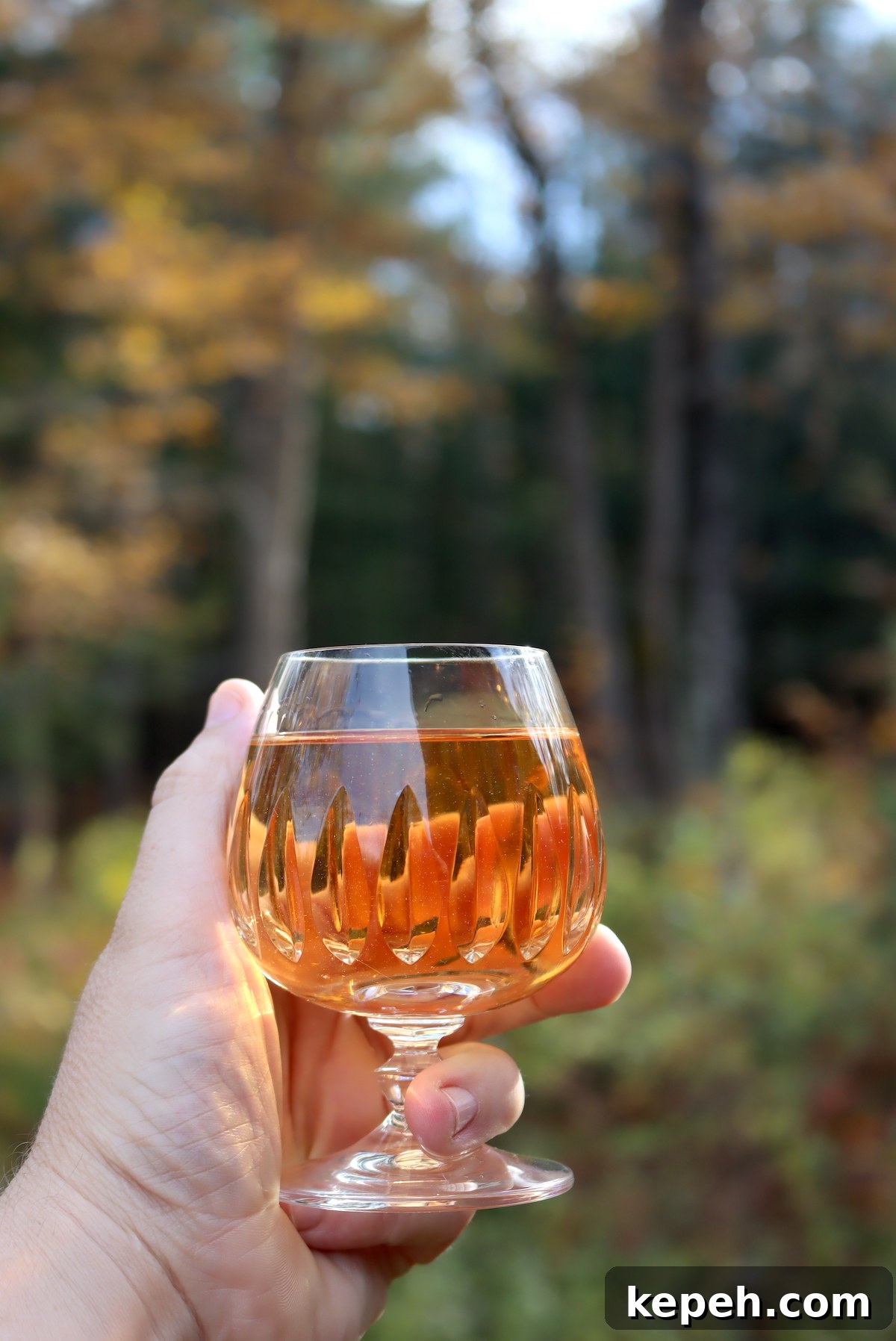
Before bottling, taste the wine. If you wish to backsweeten, stabilize the wine first to prevent renewed fermentation: add a Campden tablet and potassium sorbate according to package directions, then sweeten with a simple syrup made from equal parts sugar and water. After backsweetening, allow the wine to rest for at least a week. Bottle the finished wine and age for best results — a year of bottle aging will significantly improve balance and flavor.
Ways to Preserve Gooseberries
If you have more gooseberries than you can use at once, there are several excellent preservation options:
- Make gooseberry jam
- Make gooseberry jelly
- Can gooseberry pie filling
- Freeze for later use in pies, sauces or winemaking
Gooseberry Wine
Ingredients
- 2 1/4 lbs gooseberries (7-1/2 cups)
- 5-1/2 cups sugar (or 3 lbs honey)
- Water, to fill
- 1 tsp yeast nutrient
- 1 tsp pectic enzyme
- 1/4 tsp tannin powder
- White wine or champagne yeast (see notes)
- Optional: Campden tablet and potassium sorbate for stabilizing
Instructions
- Freeze gooseberries for one week beforehand to help break down pectin.
- When ready, thaw berries and place them in a wide-mouth carboy or brewing bag.
- Gently mash the berries and cover with boiling water. Add sugar, pectic enzyme, tannin and yeast nutrient, stirring until dissolved.
- When the must has cooled, rehydrate and add yeast according to the manufacturer’s directions.
- Top with water, leaving about 2 inches of headspace, and seal with an airlock.
- Allow to ferment 7–10 days in primary, until activity slows.
- Siphon to a clean carboy for secondary, leaving fruit and sediment behind. Top to the neck and reseal with an airlock.
- Ferment in secondary until clear, often a minimum of 4 months. Rack as needed to aid clarification.
- When clear, sample the wine. If backsweetening, stabilize first (Campden + potassium sorbate), then add simple syrup to taste and rest at least a week.
- Bottle the wine into clean bottles and allow to bottle-age for about a year for best results.
Notes
Yeast
Champagne and white wine yeasts work well for gooseberries. Select strains that tolerate high acidity and preserve fruit aromas.
Stabilizing and Backsweetening
If you plan to backsweeten, stabilize the wine first with a Campden tablet and potassium sorbate to prevent renewed fermentation. Prepare a simple syrup (equal parts sugar and water) and add gradually to taste.
Winemaking Recipes
Gooseberry is just one of many fruit wines you can make. Other country wines to try include:
- Peach wine
- Blackberry wine
- Watermelon wine
- Blueberry wine
- Strawberry wine