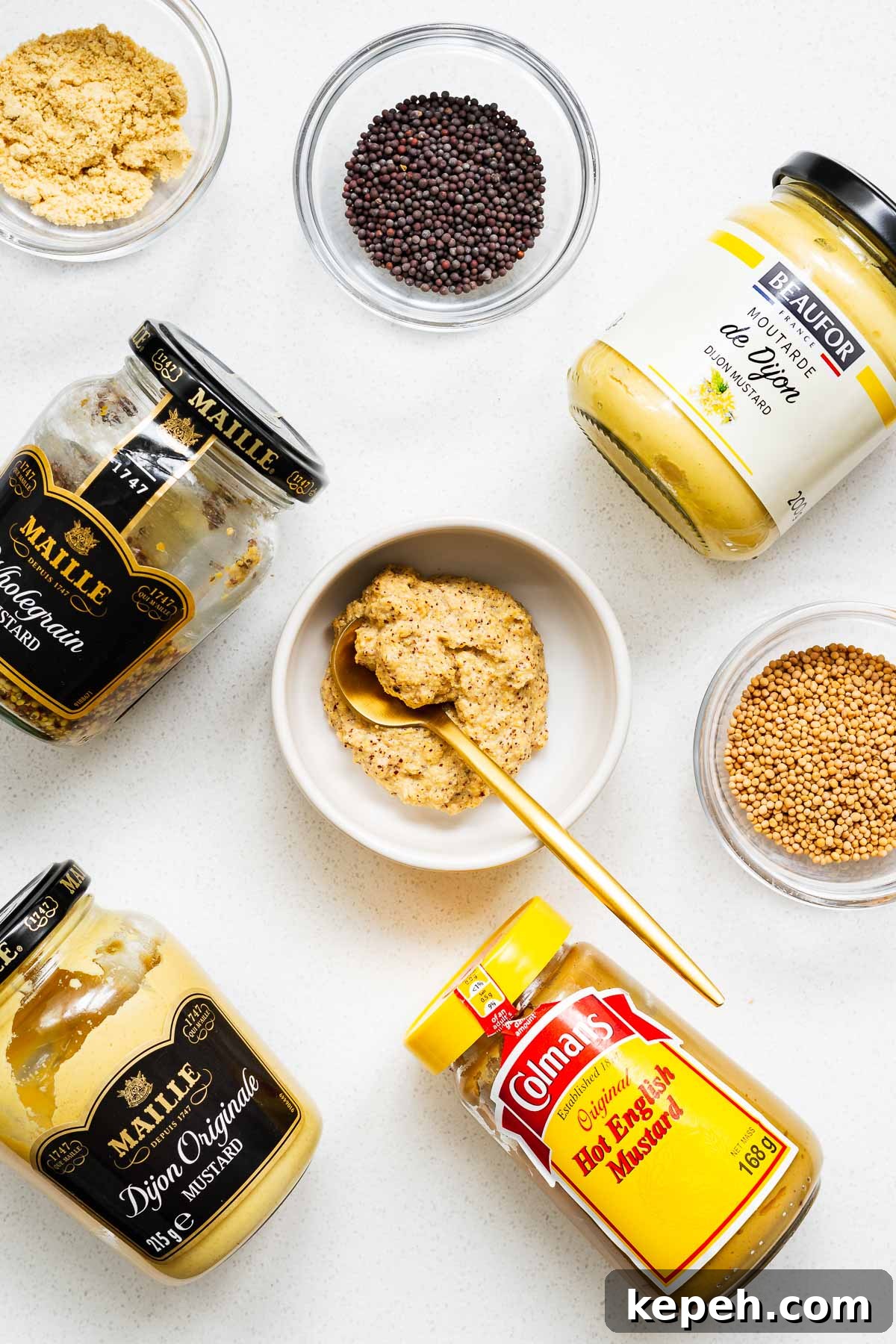
Have you ever been making a salad dressing and realised you’re out of Dijon mustard? Or you simply don’t want to go to the store? No problem. This easy Dijon mustard substitute helps you recreate the flavour quickly with pantry staples.
You can make a great substitute for Dijon mustard in under 10 minutes using mustard seeds, sea salt, white wine vinegar and water. If you prefer, other prepared mustards or spice blends also work well as alternatives depending on the dish.
Read on for clear explanations of what Dijon mustard is, the typical ingredients, the best substitutes, how to use them, and a simple homemade Dijon-style mustard recipe.
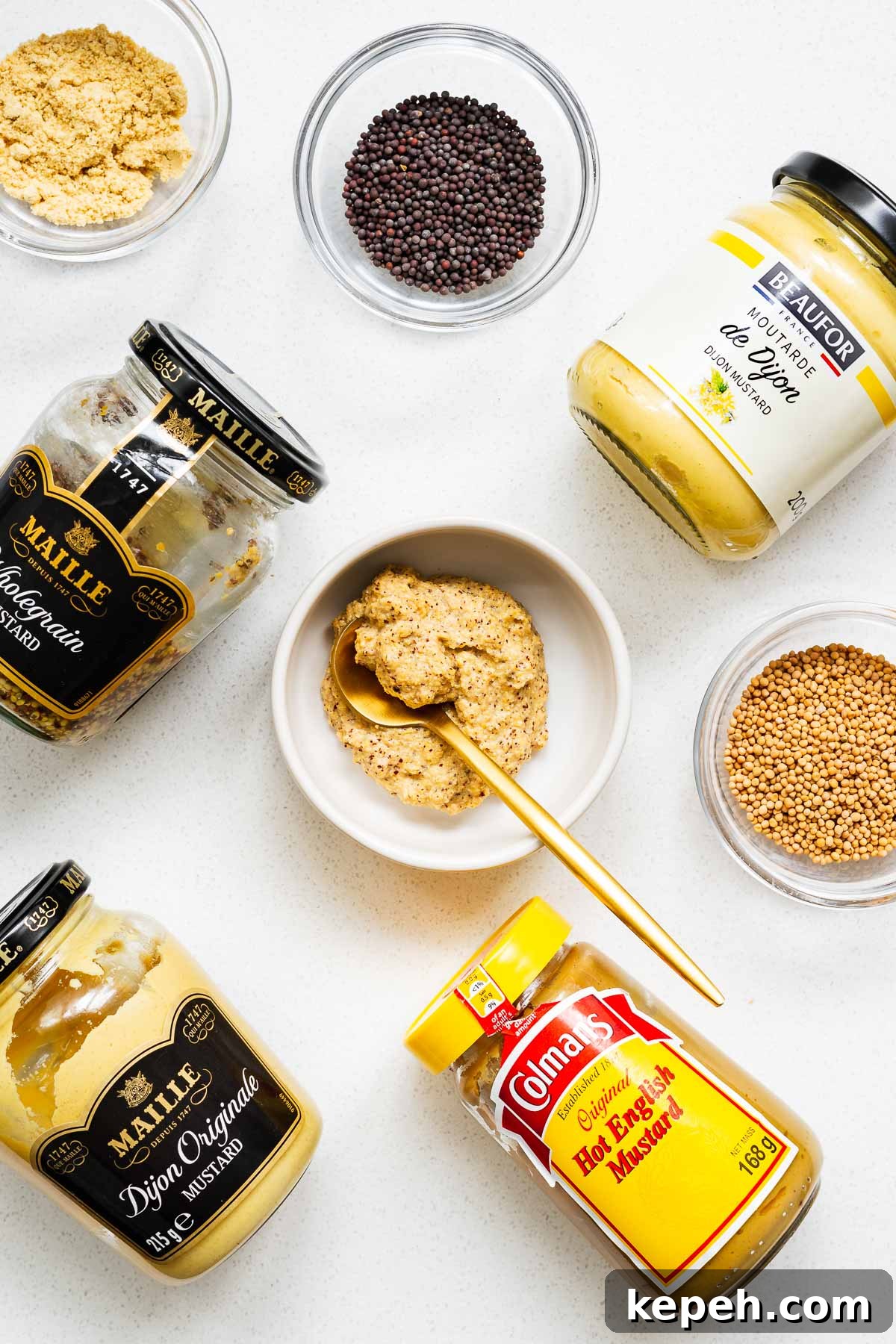
Table of Contents
- What is Dijon mustard?
- Typical Dijon mustard ingredients
- Best substitutes for Dijon mustard
- How to use Dijon mustard (and substitutes)
- Frequently asked questions
- Homemade Dijon mustard substitute recipe
What is Dijon mustard?
Dijon mustard, or moutarde de Dijon, is a classic French mustard prized for its smooth texture and sharp, tangy flavour. Traditional recipes use ground mustard seeds combined with white wine or white wine vinegar and salt. It appears in smooth, stone-ground or whole-grain forms; smooth Dijon is the most common and widely used in dressings, sauces and marinades.
Dijon’s flavour is more pungent and less sweet than typical yellow mustard, which frequently contains turmeric and other spices. While authentic Dijon can be made at home, the traditional method involves soaking seeds in vinegar and wine for a period, which takes time. For a quick alternative, a homemade Dijon-style mustard or other prepared mustards work well.
Typical Dijon mustard ingredients
Smooth Dijon usually relies on two core elements: mustard seeds and white wine or white wine vinegar.
Mustard seeds provide the heat and base flavour. Brown or black seeds yield a spicier, more pungent mustard; yellow seeds are milder and slightly sweet. White wine or white wine vinegar contributes acidity and a characteristic tang, while salt balances and enhances the overall taste.
These simple components are what give Dijon its distinctive, concentrated mustard flavour without added spices like turmeric or paprika.
Best substitutes for Dijon mustard
When you don’t have Dijon on hand, several options provide a similar flavour or texture depending on the recipe. The best quick homemade option is a simple mustard made from ground seeds, white wine vinegar, salt and water. Prepared mustards and other pungent condiments also make good swaps:
- Dry mustard powder (rehydrated)
- Yellow mustard (adjusted with vinegar and salt)
- Whole-grain mustard
- Creole mustard
- Spicy brown mustard
- Hot English mustard (use sparingly)
- Regional German mustards (adjust sweetness or acidity)
- Honey mustard (sweeter alternative)
- Beer mustard (different, sweeter profile)
If you want the sinus-clearing heat typical of mustard but lack mustard products, wasabi or horseradish can supply similar sharpness. For a milder, non-mustard profile, a spice blend of turmeric, chilli and garlic mixed with vinegar and oil can stand in for Dijon in a pinch.
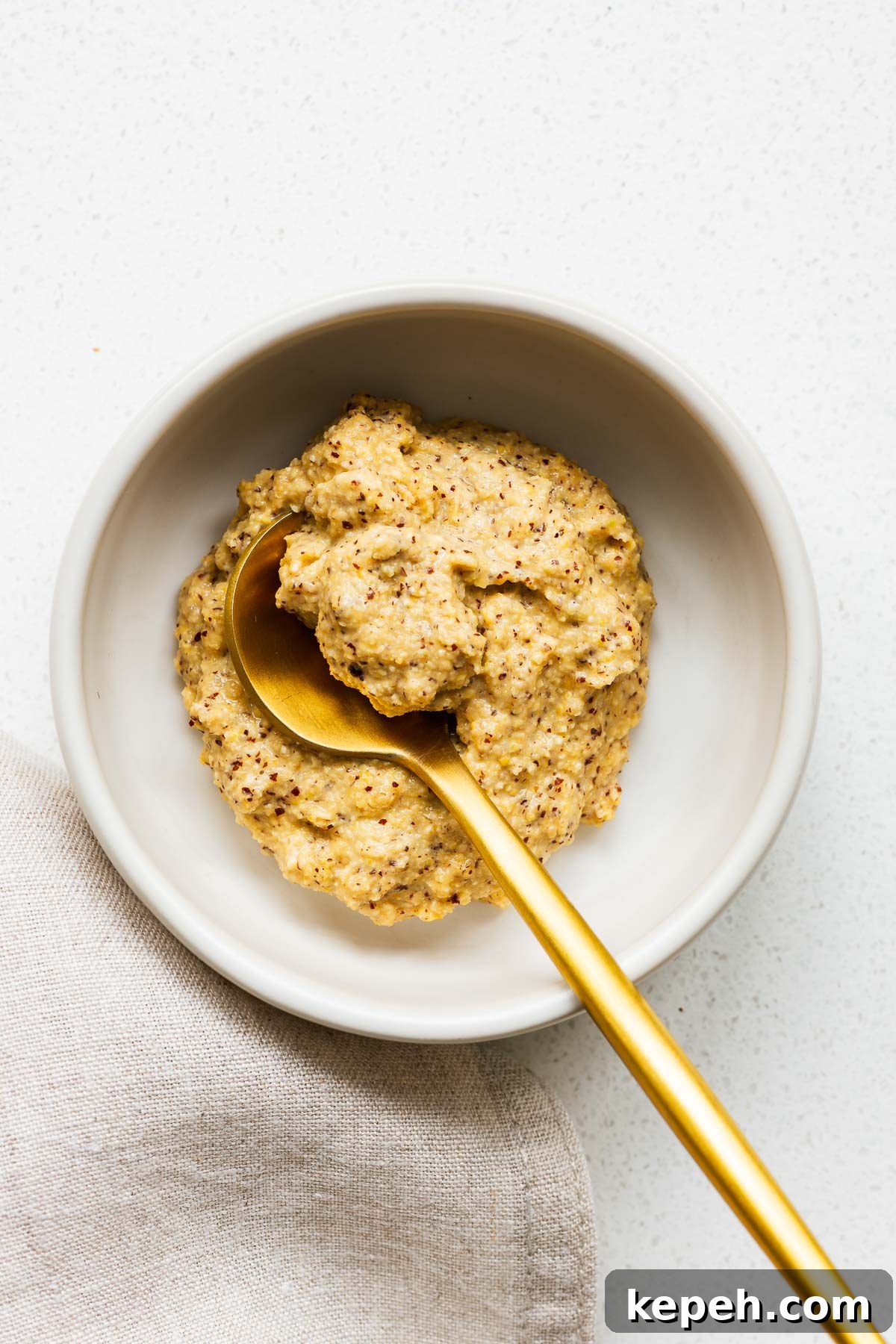
Homemade Dijon mustard substitute
This quick Dijon-style mustard captures the essential tang and heat of Dijon using basic ingredients. It’s ideal for dressings, sauces and spreads when you need a fast replacement.
To make about two tablespoons:
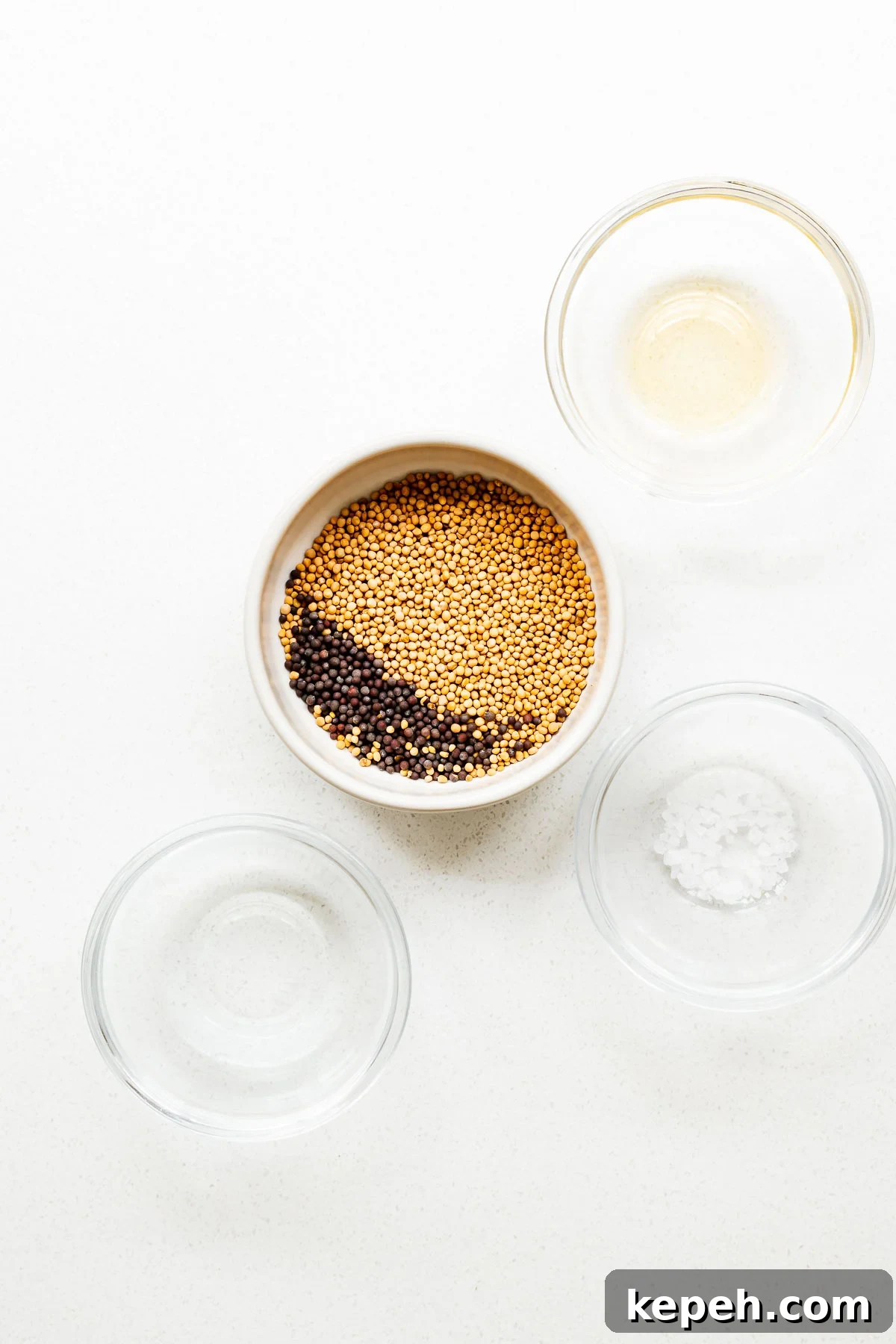
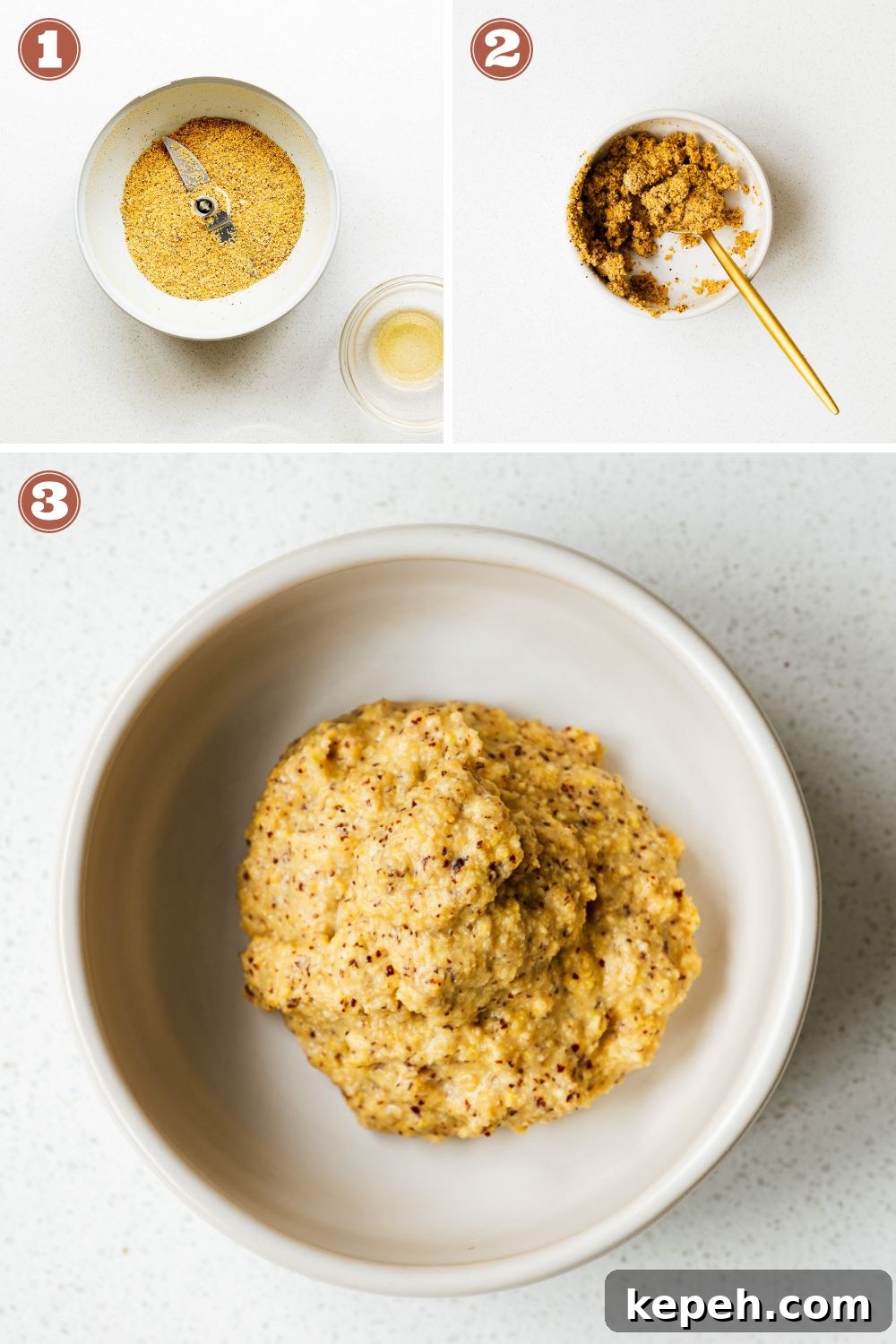
- Grind four teaspoons mustard seeds with 1/4 teaspoon sea salt in a spice grinder or mortar and pestle until fine. The finer the grind, the smoother the texture.
- Stir in 1 1/2 teaspoons white wine vinegar and 4 teaspoons water. Add more water, 1 teaspoon at a time, until the desired consistency is reached.
- Let the mixture rest for at least five minutes before using to allow flavours to blend.
Brown mustard seeds are traditional and yield a pungent Dijon-like flavour; mixing yellow and black seeds creates a balanced profile. If you don’t have seeds, dry mustard powder can be rehydrated, though many commercial powders contain turmeric and other flavourings that produce a milder result.
Store leftovers in an airtight container in the refrigerator for up to one week.
Dry mustard powder
Dry mustard (ground mustard seeds) is an excellent base for a Dijon substitute. Rehydrate by mixing one part powder with about two parts liquid — water, wine or beer — to form a paste. Let it rest for five minutes, season with salt, and adjust acidity with white wine vinegar for a closer Dijon taste. Use one teaspoon of dry mustard to replace one tablespoon of prepared Dijon in recipes.
Honey mustard
Honey mustard blends honey with prepared mustard and vinegar, producing a sweeter, milder condiment. Mix a teaspoon of honey into a tablespoon of prepared mustard, and add a spoonful of oil for smoothness if needed. Honey mustard works well in dressings, dips and sandwiches but will be noticeably sweeter than Dijon.
Yellow mustard
Yellow mustard is milder and often includes turmeric and other spices. To get closer to Dijon, add a pinch of salt and a splash of white wine vinegar, and stir in some ground mustard for extra pungency. Use this adjusted yellow mustard as a 1:1 substitute in most recipes.
Whole-grain mustard
Whole-grain mustard offers a robust, mustard-forward flavour with a coarser texture. It pairs well with dressings, marinades and sandwiches. Use whole-grain mustard as a direct substitute; if it’s particularly assertive, mellow it with a touch of honey or vinegar.
Spicy brown mustard
Spicy brown mustard adds a creamier texture and a noticeable kick from brown mustard seeds and added spices. It makes a flavorful substitute, particularly when you want a bit more heat in the dish.
Hot English mustard
Hot English mustard is very pungent and should be used sparingly. Mix the powder with white wine vinegar and water to a paste and allow it to rest to develop heat. Start with half the amount called for in a recipe and adjust to taste.
Creole mustard
Creole mustard, featuring coarsely ground brown seeds and vinegar, closely mirrors Dijon’s flavour profile and is an excellent direct substitute in vinaigrettes, sauces and spreads.
Wasabi and horseradish
Wasabi and horseradish share the same volatile mustard oil compound that gives mustard its sharp heat. They are useful when you want the nose-clearing sensation rather than Dijon’s exact flavour. Blend with oil and vinegar for a dressing-style substitute, and add a touch of honey if you want sweetness.
How to use Dijon mustard (and substitutes)
Dijon mustard is versatile and elevates many dishes. Use it in salad dressings, marinades, sauces, sandwiches, soups and dips. When substituting, match the substitute to the application:
- Salad dressings: use Dijon or the homemade seed-based substitute for emulsifying oil and vinegar.
- Marinades: Dijon helps tenderise and flavour meats; whole-grain or spicy brown mustards also work well.
- Sauces and soups: add a spoonful of Dijon for depth and brightness.
- Spreads and dips: mix Dijon with mayonnaise or yoghurt for sandwiches and dipping sauces.
Adjust sweetness, acidity or heat as needed by adding honey, vinegar, or a small pinch of cayenne when replacing Dijon with a milder mustard.
Frequently asked questions
What can I use if I don’t have Dijon mustard? A blend of ground mustard seeds, white wine vinegar and salt is the best quick substitute. Prepared mustards like creole or whole-grain also work well.
Can you replace Dijon mustard with regular mustard? Yes. Yellow mustard can substitute, though it’s milder and often contains added spices. Adjust with white wine vinegar and salt for a closer match.
What’s the difference between Dijon and regular mustard? Dijon typically uses brown mustard seeds and white wine or white wine vinegar with no added spices, producing a sharper, more pungent flavour. Regular yellow mustard usually contains turmeric and other flavourings and is milder.
Can I turn yellow mustard into Dijon? Not exactly. Yellow mustard’s base and added spices differ from traditional Dijon. You can, however, adjust yellow mustard with vinegar and ground mustard to approximate Dijon in a recipe.
Homemade Dijon Mustard Substitute
Equipment
- Spice grinder or mortar and pestle
Ingredients
- 4 teaspoons mustard seeds
- 1/4 teaspoon sea salt
- 1 1/2 teaspoons white wine vinegar
- 4 teaspoons water
Instructions
- Grind the mustard seeds with the salt until fairly fine. The finer the grind, the smoother the mustard.
- Mix the ground seeds with the white wine vinegar and 2 teaspoons of water. Add the remaining water one teaspoon at a time until you reach the desired consistency.
- Let the mustard rest for at least five minutes to allow the flavours to develop, then use as a direct substitute for Dijon.
Notes
- Brown mustard seeds give a classic Dijon-like pungency; yellow seeds yield a milder flavour. Mixing seed types works well.
- If you lack a grinder, use dry mustard powder but be aware many commercial powders contain turmeric and produce a milder flavour.
- Keep leftovers refrigerated in an airtight container for up to one week.
Recipes that commonly use Dijon mustard:
- Hummus-based dressings
- Maple-tahini dressings
- Herbed potato salads
- Preserved lemon vinaigrettes
- Kale salads with tahini dressing