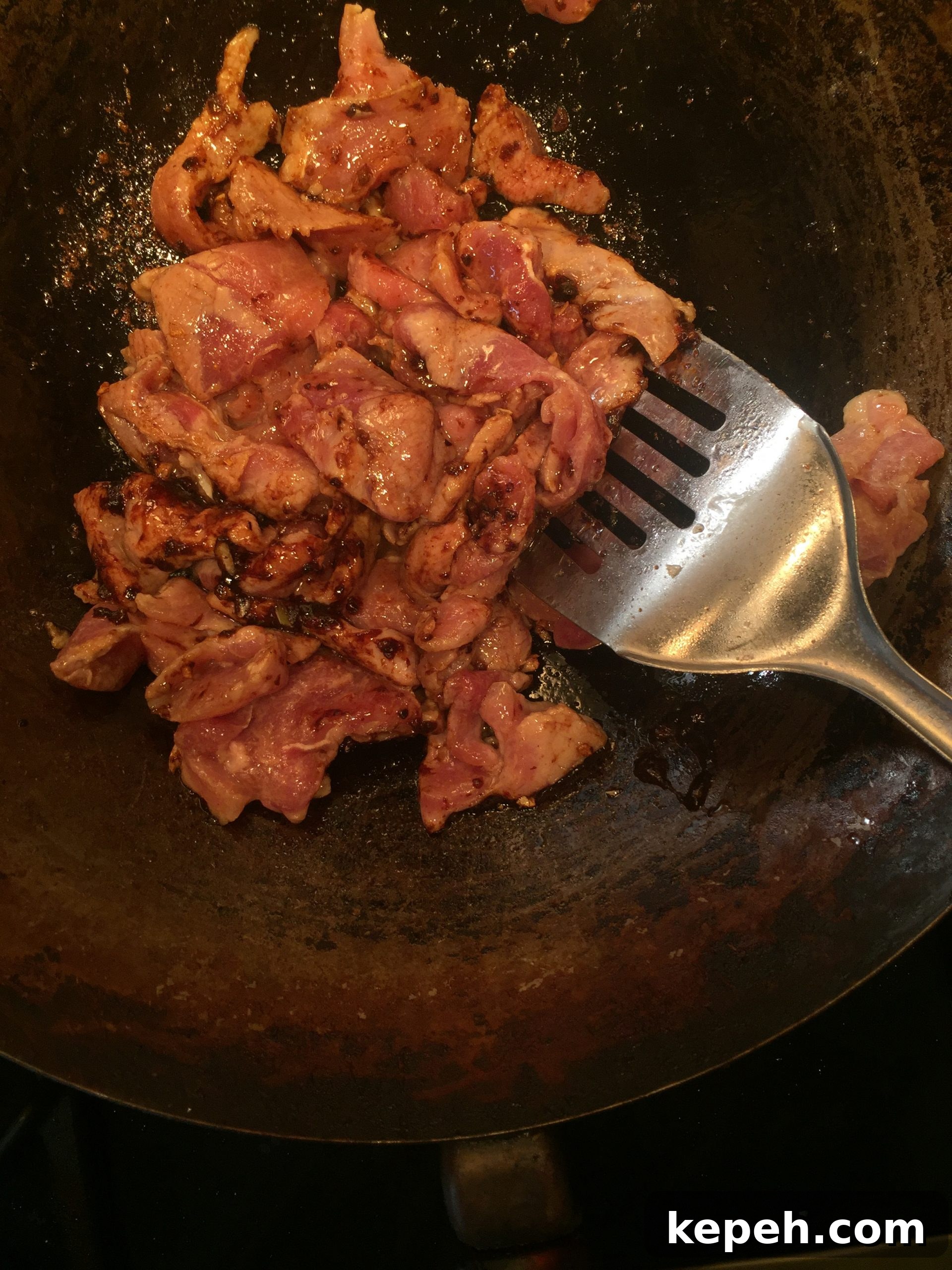
Growing up in a Chinese household, I assumed everyone knew how to stir-fry. It wasn’t until my daughters were in college that they started calling to ask how to make a basic stir-fry. I realized then that stir-frying is a skill that must be learned. Once you understand the fundamentals, your results improve dramatically. We’ve even hosted young couples at our home for a Chinese stir-fry 101 session. Watching the moment the technique clicks for them is always rewarding.
As with any cuisine, regional styles vary. Northern Chinese dishes often have darker, brown sauces while southern dishes—my own family heritage—tend to use lighter, clearer sauces. The Sichuan and Hunan regions favor bold, spicy flavors. But if you master the basic stir-frying technique, you can adapt the method to any regional profile and add your own twist.
Home Stir-frying
It helps to understand what is realistic in a home kitchen. Most household stoves can’t reach the high temperatures used in restaurant woks. Typical home ranges have burners around 7,000 BTUs, and even high-output household burners top out near 20,000 BTUs. Restaurants may use burners exceeding 100,000 BTUs. Because of this difference, a home cook rarely achieves true “wok-hei” (the smoky, seared flavor of restaurant wok cooking). Home stir-fries will take slightly longer and rely more on technique than raw heat.
Another difference is the amount of oil used. Professional chefs often use much more oil—sometimes half a cup or more—to coat the wok and facilitate high-heat searing. At home, I prefer a healthier approach and use just a few tablespoons. Knowing what to expect from your kitchen helps set realistic goals and keeps results consistent.
Here are practical tips to help you succeed and produce consistent, delicious stir-fries at home.
If you are just starting out with Chinese cooking, assemble a few essential ingredients like soy sauce, rice wine, sesame oil, cornstarch, and a high-smoke-point cooking oil. Also prepare a basic stir-fry sauce to add at the end to coat and flavor your dish.
Equipment
Wok or pan
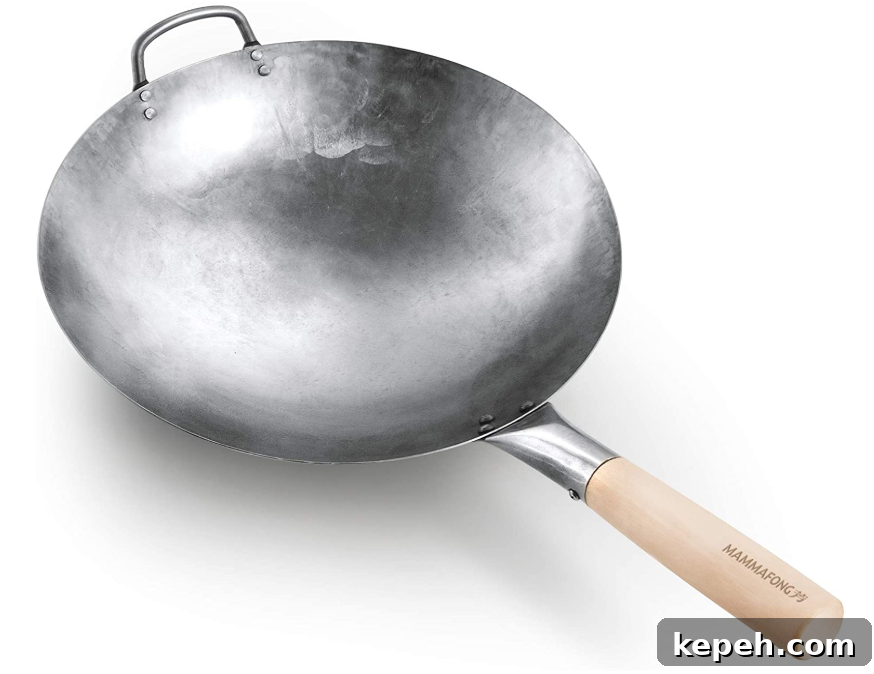
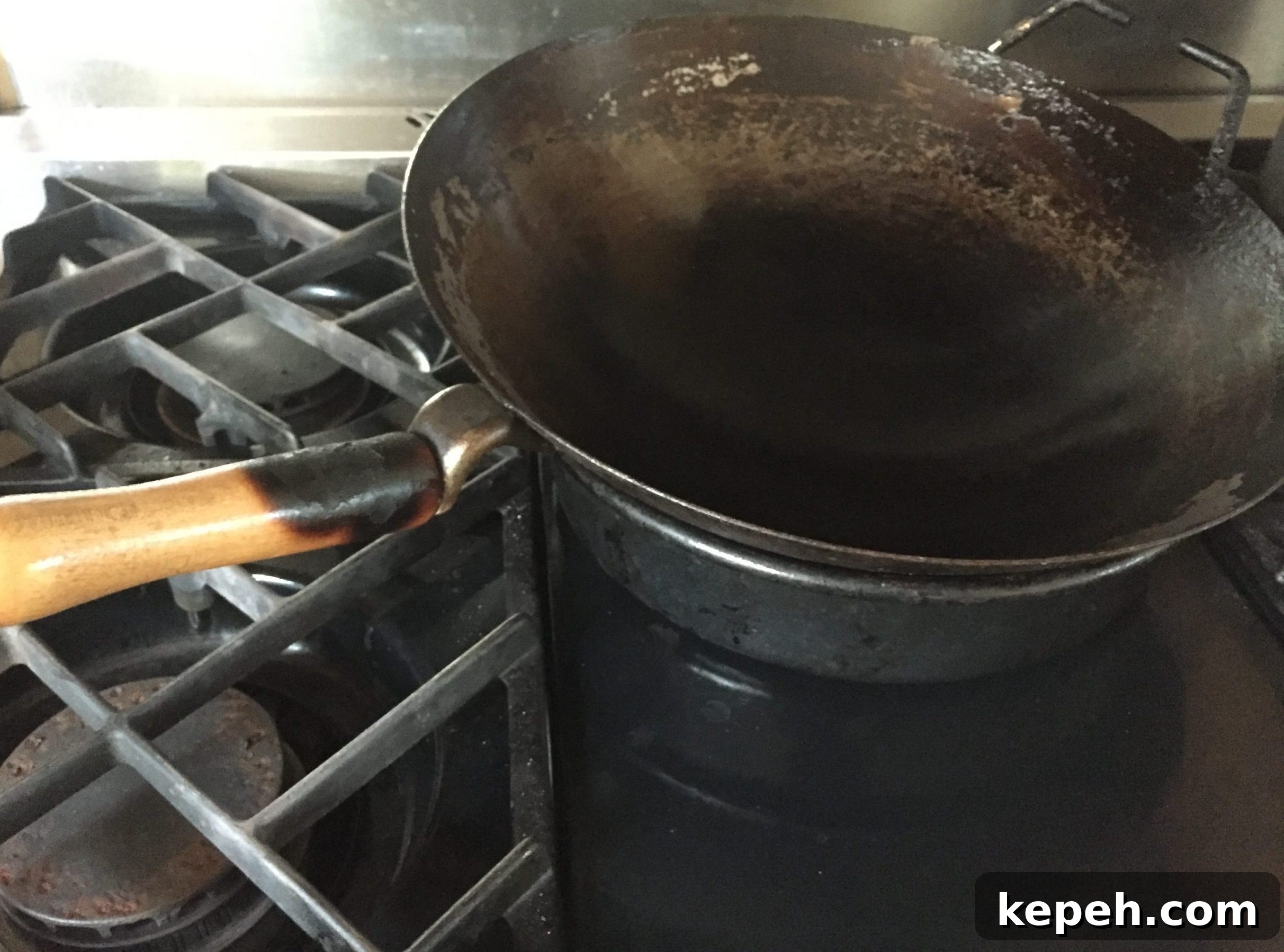
Stir-frying requires high heat, so select a pan that can stand up to it. Avoid non-stick skillets for high-heat wok work. A carbon-steel wok is an excellent choice: when seasoned properly it develops a natural non-stick surface similar to a cast-iron skillet. Flat-bottom woks are ideal for electric stoves; for gas ranges a traditional round-bottom or concave wok will use less oil and concentrate heat better.
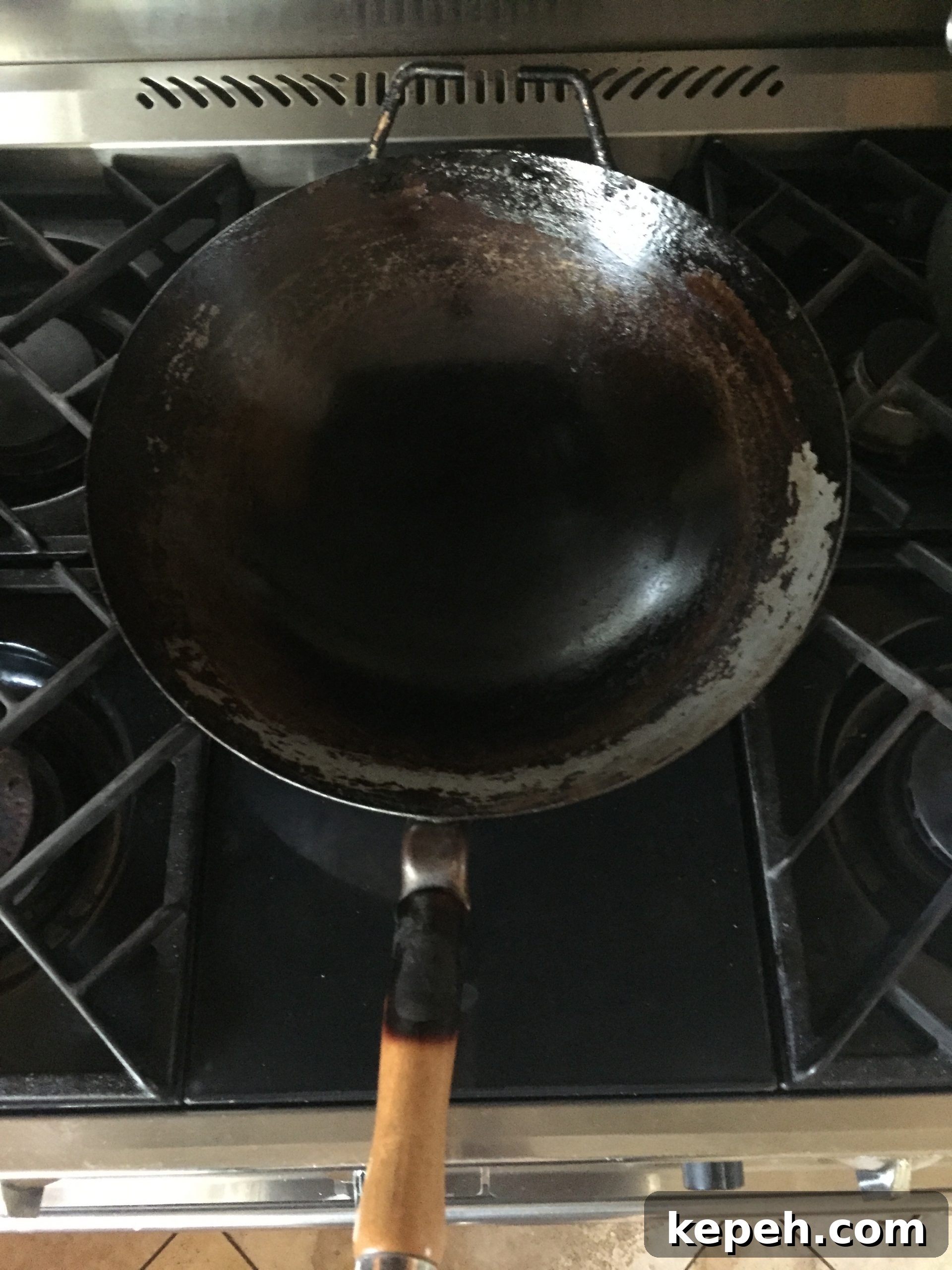
My well-used wok
Wok ring
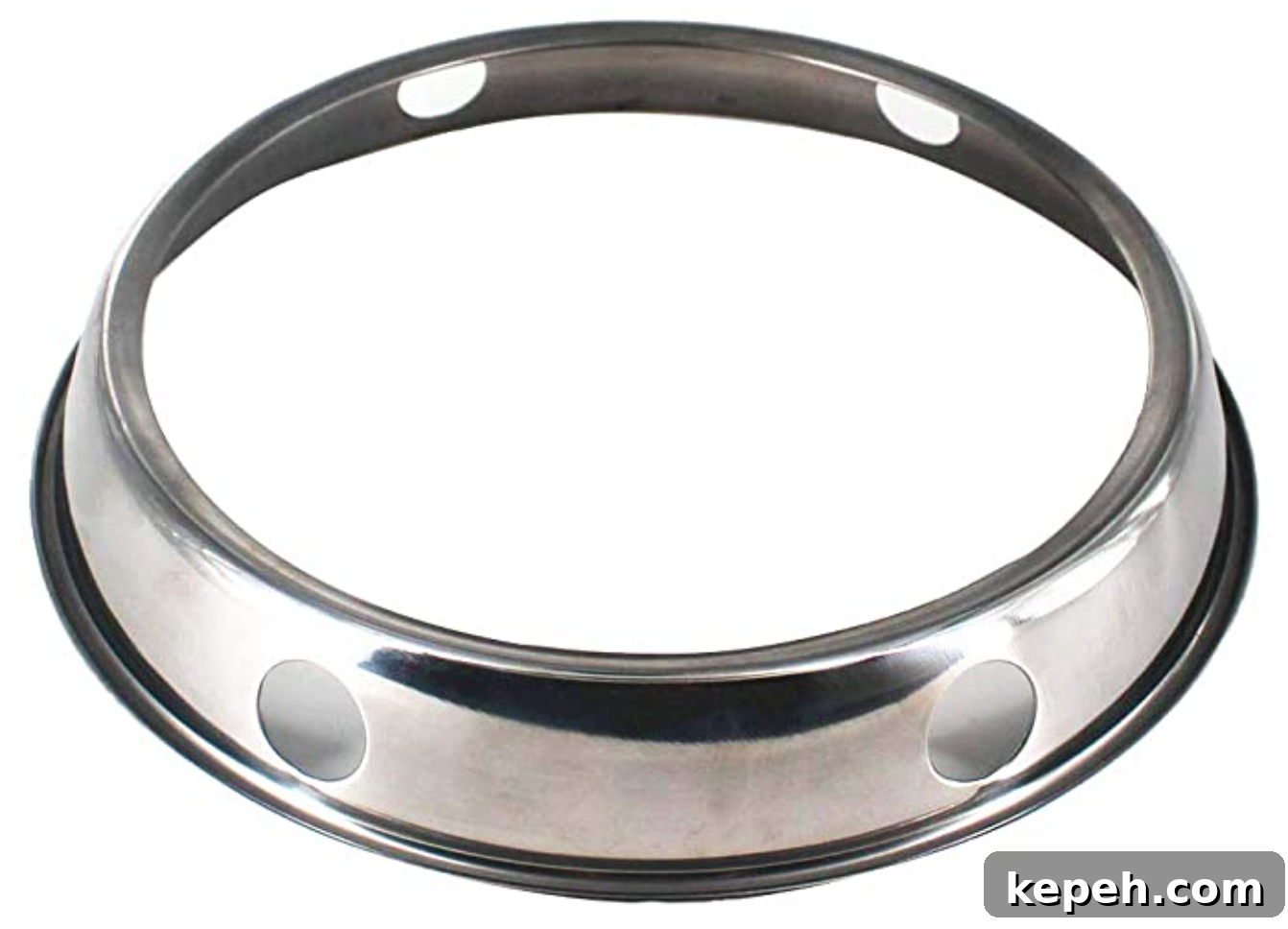
If you have a concave wok and a gas range, a wok ring will stabilize the pan and position it correctly above the flame.
Wok cover
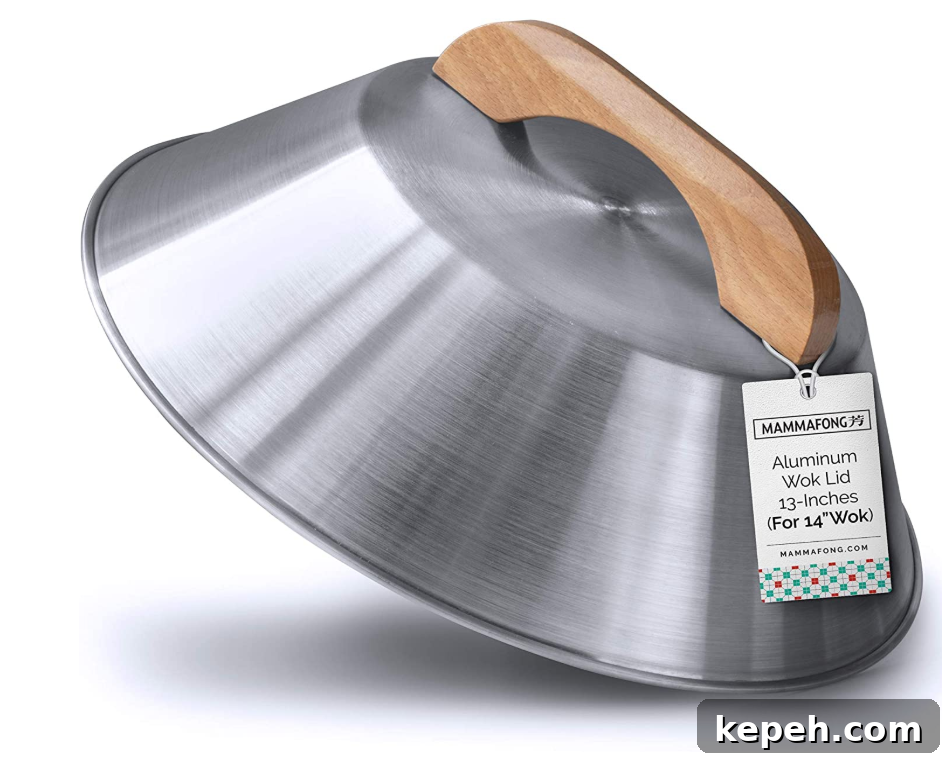
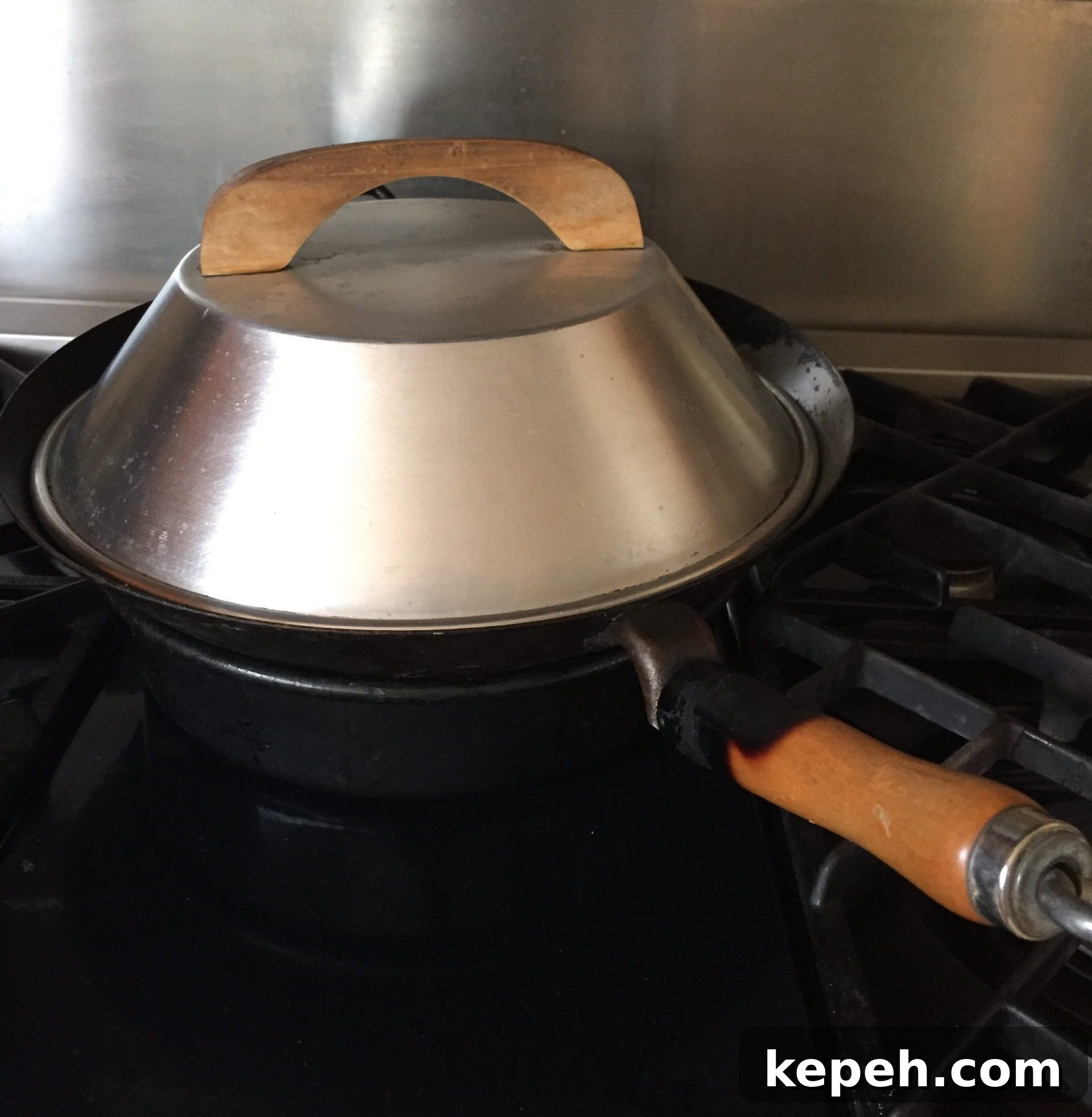
A domed wok cover is useful when you need to trap intense heat or use the wok as a steamer. The curved lid helps retain heat and moisture without crowding the contents.
Technique
Ingredient size
Because Chinese cuisine is traditionally eaten with chopsticks, pieces should be bite-sized and easy to pick up. Cutting ingredients into uniform, bite-sized pieces also makes tossing and cooking more efficient and predictable.
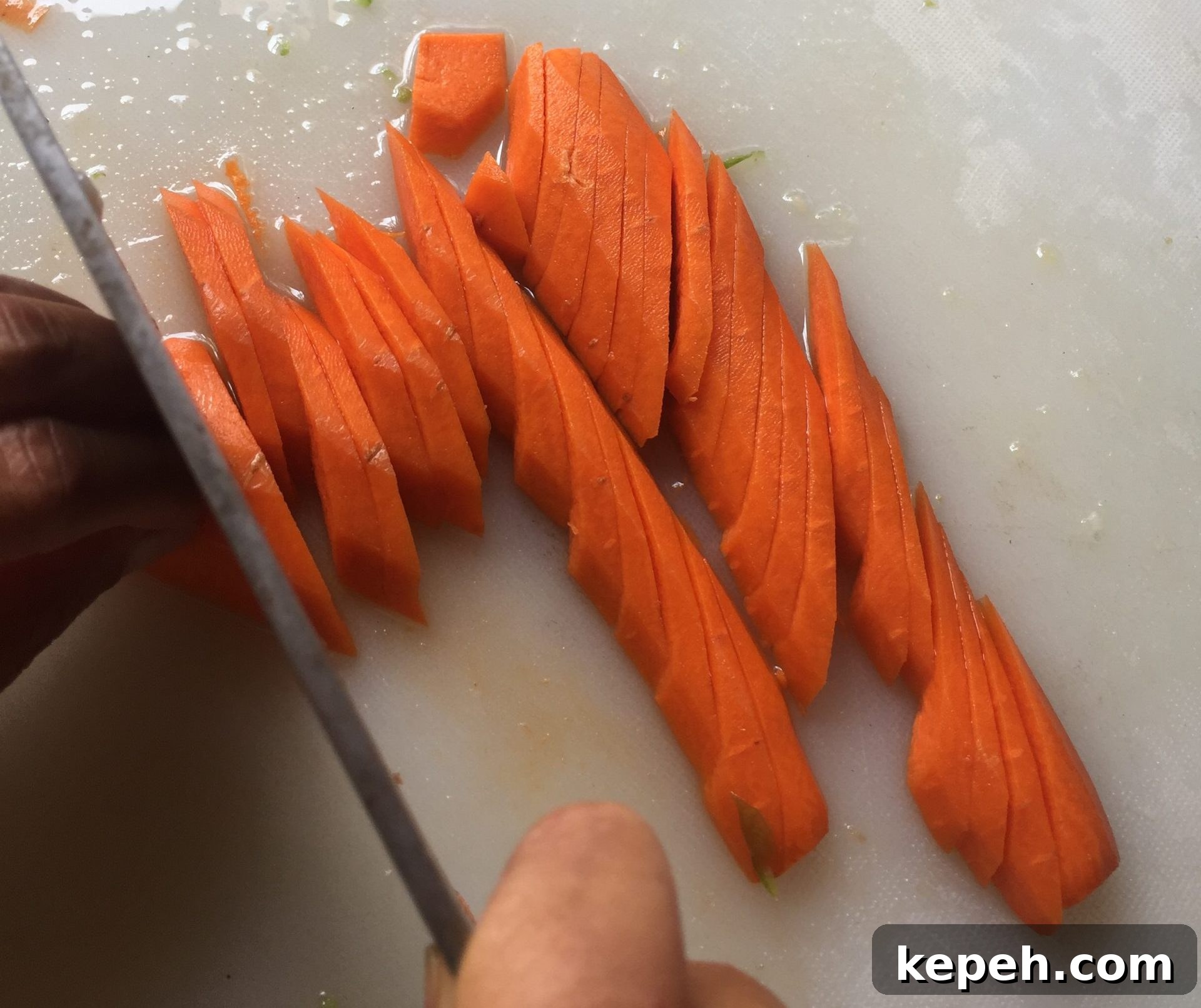
Consistent cuts
Uniform cuts mean even cooking. Group similar items together—cut all carrots the same size, and do the same for leafy greens—so nothing overcooks or undercooks while other components finish.
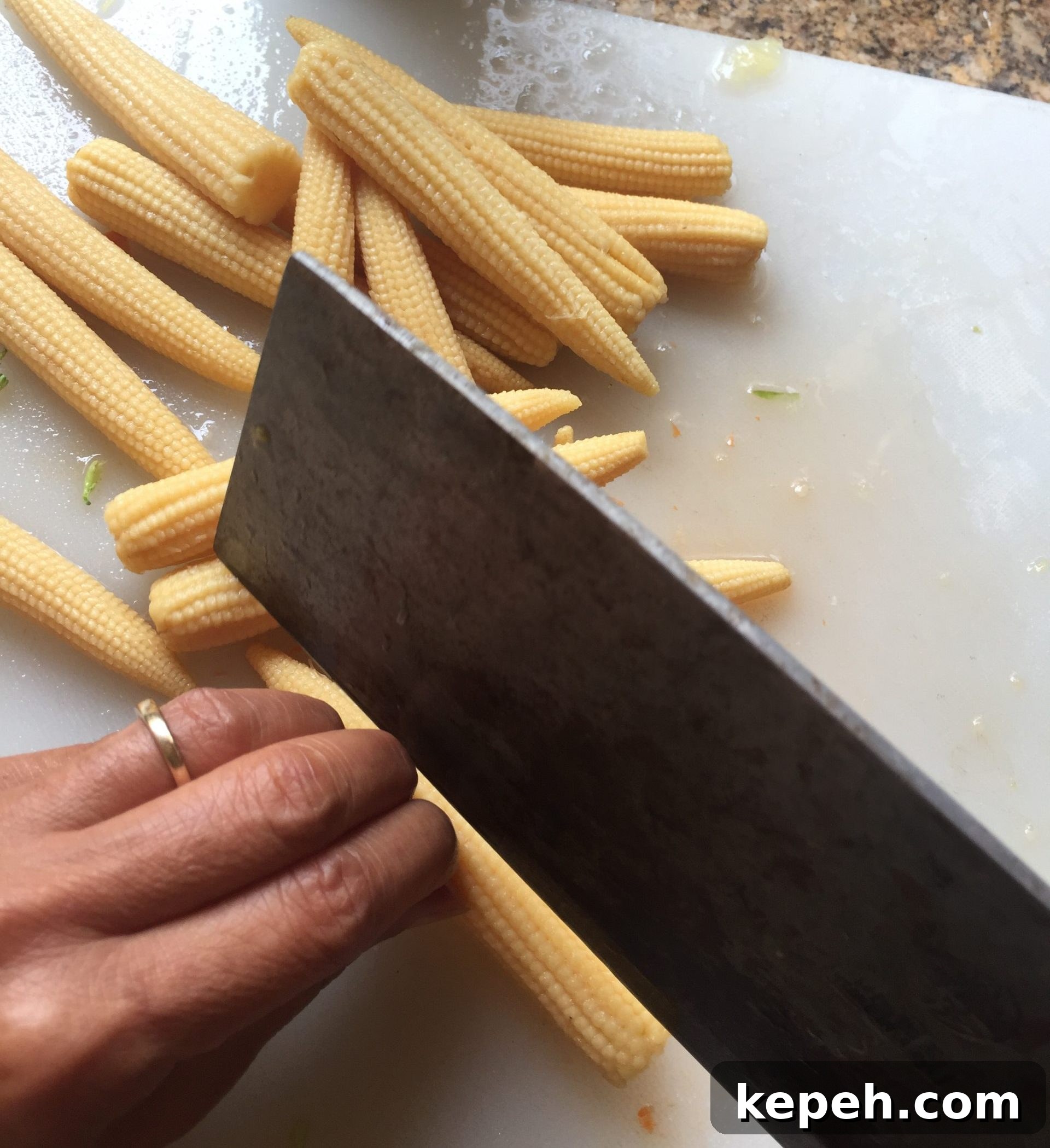
Uniformly cut vegetables
Small batches
Cook in small batches so the wok retains heat. Adding too many ingredients at once lowers the temperature and causes steaming instead of searing.
High heat
To avoid overcooking, get the wok and oil very hot so ingredients sear quickly. Searing seals juices and preserves texture. Heat the wok until it is nearly smoking, then add the oil and swirl it to coat the sides for better coverage.
Use the correct oil
Different oils have different smoke points. For high-heat stir-frying, avoid butter and extra-virgin olive oil because they smoke at lower temperatures and can impart off-flavors. Use a high-smoke-point oil such as peanut oil or another refined vegetable oil if you expect to cook at very high heat.
Marinate your meat
Always marinate bite-sized pieces of meat before stir-frying. Marinating for at least 30 minutes improves flavor and texture.
Color
Color makes dishes more appealing and nutritious. Include a variety of vegetables and be careful not to overcook them; vibrant, crisp vegetables are visually and gastronomically better than limp, dull ones.
Crunch
Texture matters. Add one or two crunchy elements to provide contrast—this makes the dish more interesting and satisfying.
Here are suggested vegetables that provide color and crunch for stir-fries.
|
Vegetables for color |
Vegetables for crunch |
|---|---|
|
Carrots |
Asparagus |
|
Red pepper |
Water chestnuts |
|
Chinese broccoli leaves |
Lotus root |
|
Broccoli |
Sugar snap peas |
|
Chayote squash |
Snow peas |
|
Eggplant |
Celery |
|
Chinese leafy greens |
Bamboo shoots |
|
Shiitake mushrooms |
Jicama |
|
Baby corn |
Green beans |
|
Zucchini / Yellow squash |
Chinese broccoli stalks |
Garlic, ginger, scallion and chili
Garlic, ginger, scallion (green onion), and chili are common aromatics that shape the flavor and aroma of a stir-fry. Use them sliced or minced depending on your preference, and fry them briefly at the start to infuse the oil.
Plan the cooking order before you begin. I fry aromatics first to flavor the oil, then add the meat. When the aromatics begin to brown—just a few seconds—add the meat and stir-fry until about 80% cooked, then remove it from the wok and set it aside.
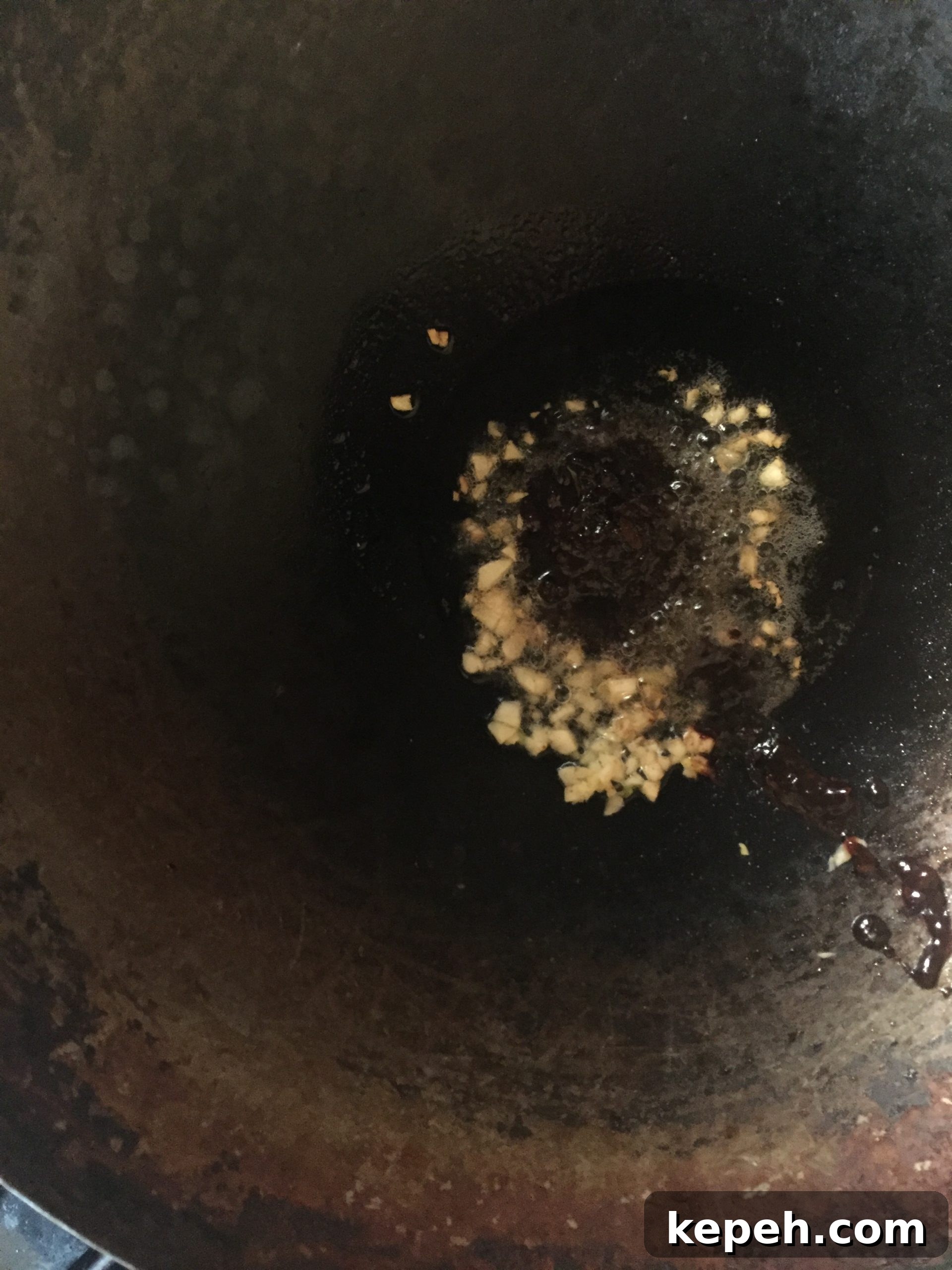
Frying aromatics first
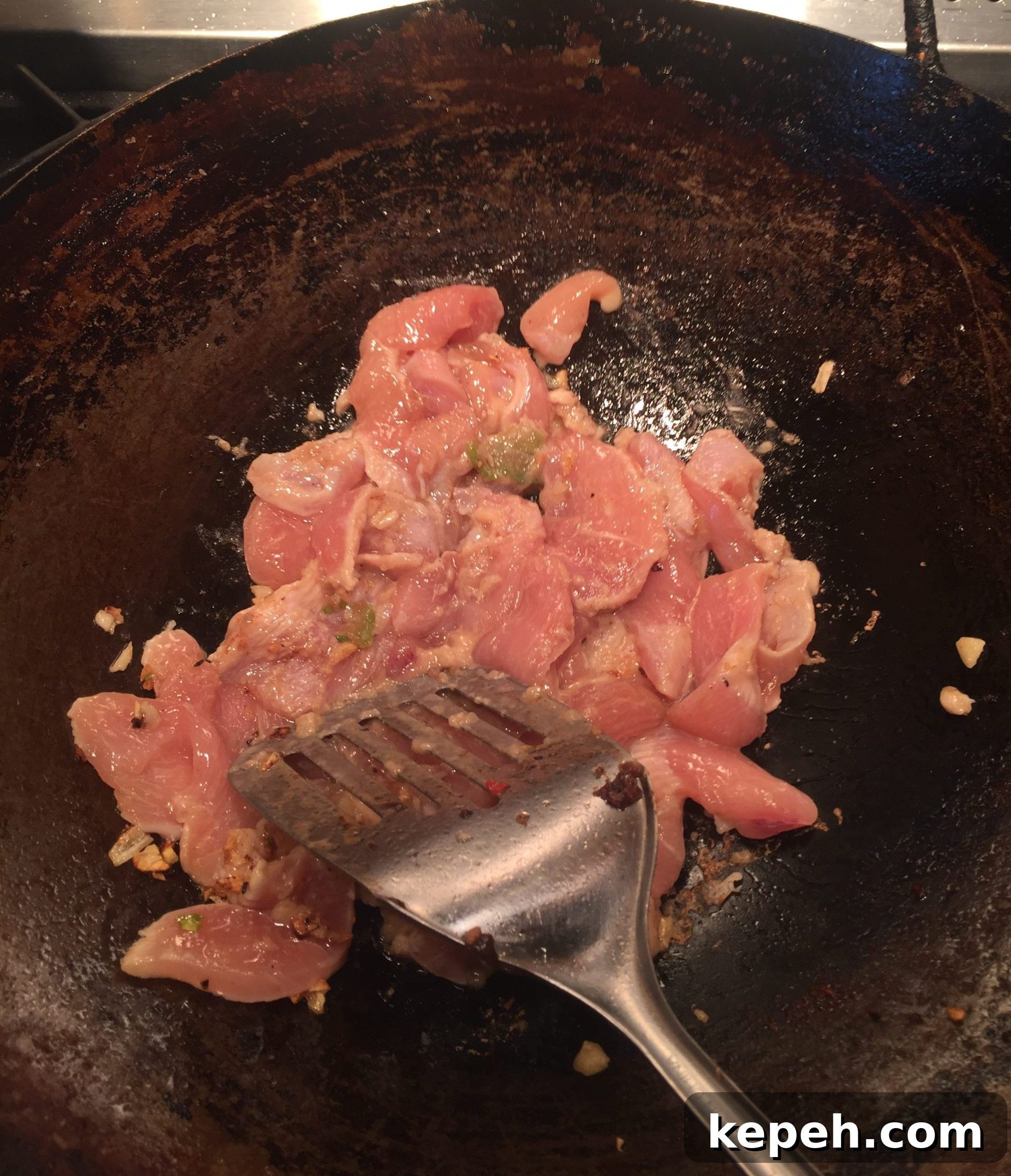
Fry meat until about 80% done, then remove
Lay out all other ingredients and add them in order of cooking time—longest first. For leafy Chinese greens, separate thick stems from leaves and cook them separately. If you’re unsure, you can partially cook vegetables, set them aside on a platter, and add them back at the end for a final toss so they stay crisp.
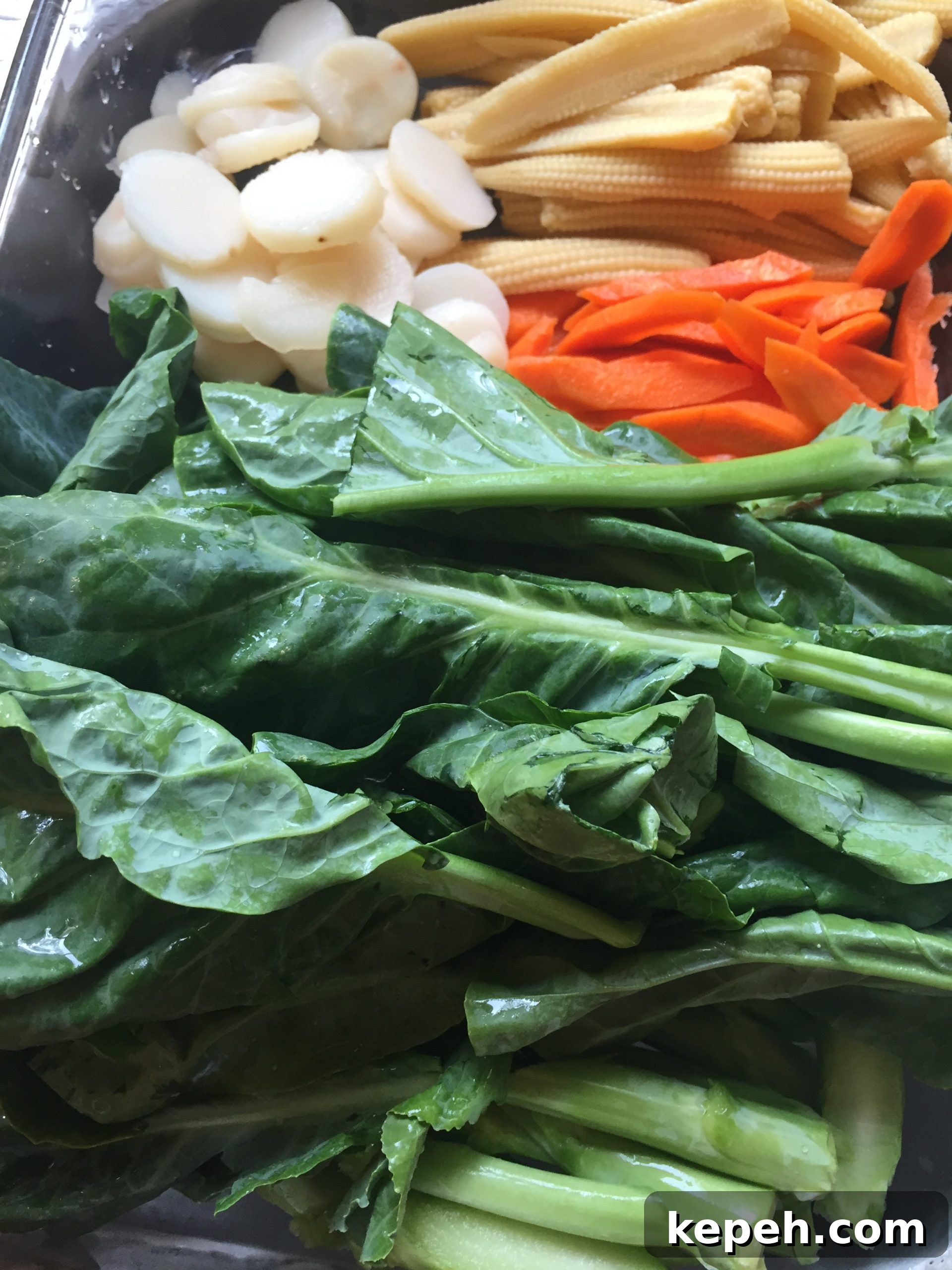
Keep your vegetables ready and organized
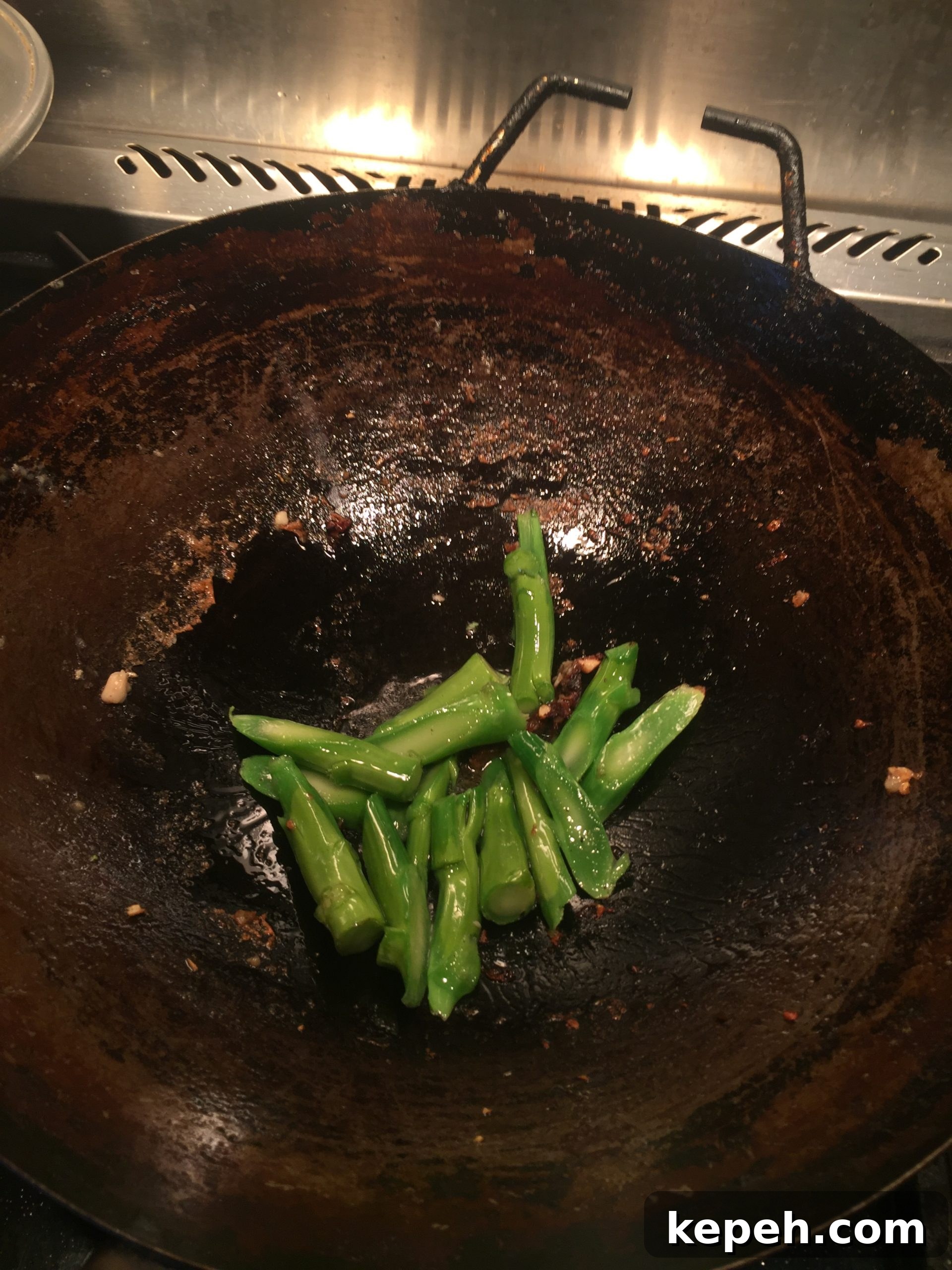
Cook the thickest vegetables first, add others in sequence, and add canned items like water chestnuts and baby corn toward the end. Return the meat to the wok and add the sauce last to coat everything evenly. A basic stir-fry sauce typically includes a balance of salty, sweet, and savory elements and is added right at the end to finish the dish.
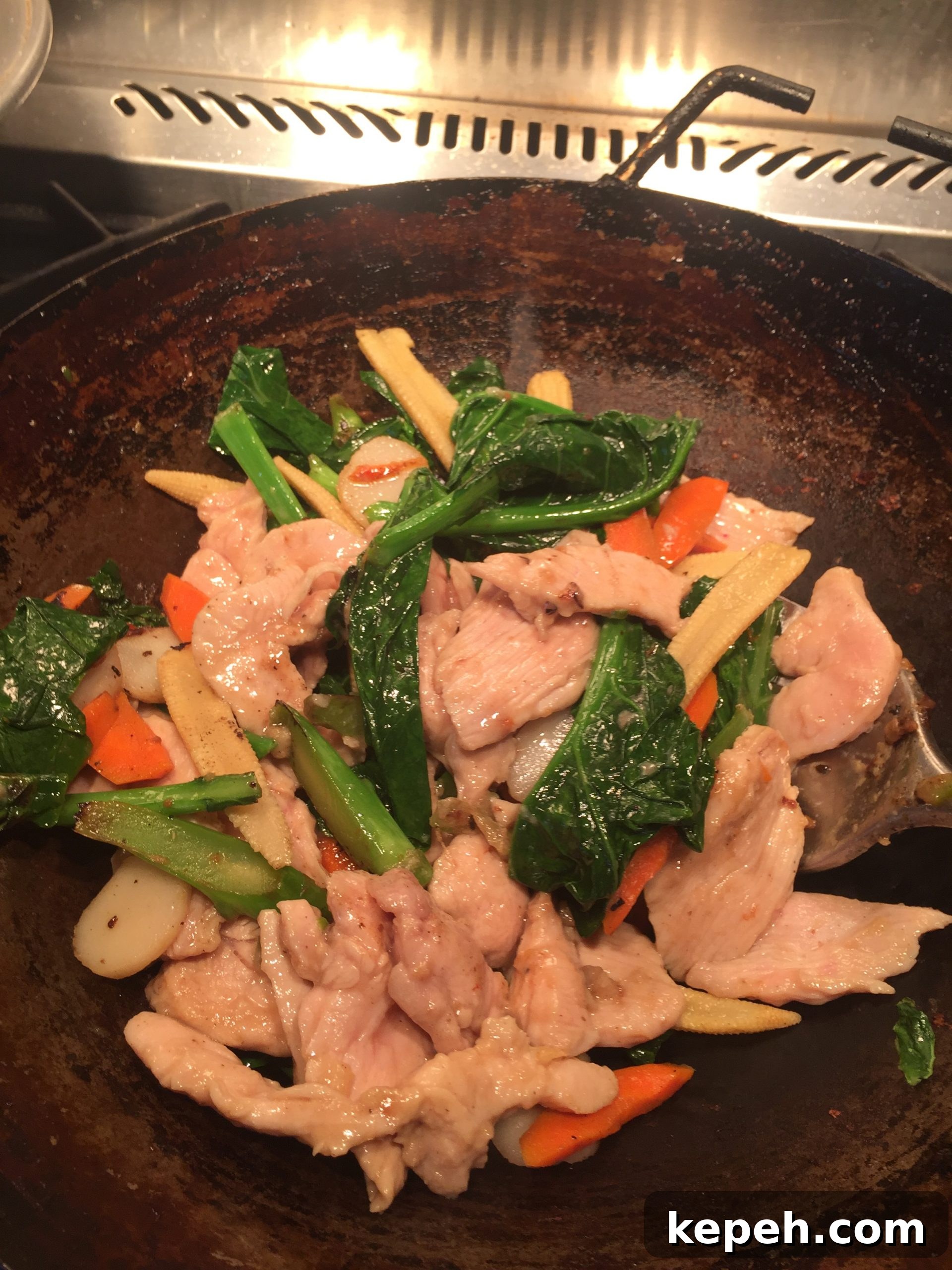
Finish by adding the sauce to coat all ingredients
When done properly, the meat should be moist and tender, and the vegetables crisp and vibrant. Overcooking leads to a soggy, lifeless stir-fry—so work quickly, keep heat high, and enjoy the contrast of flavors and textures.
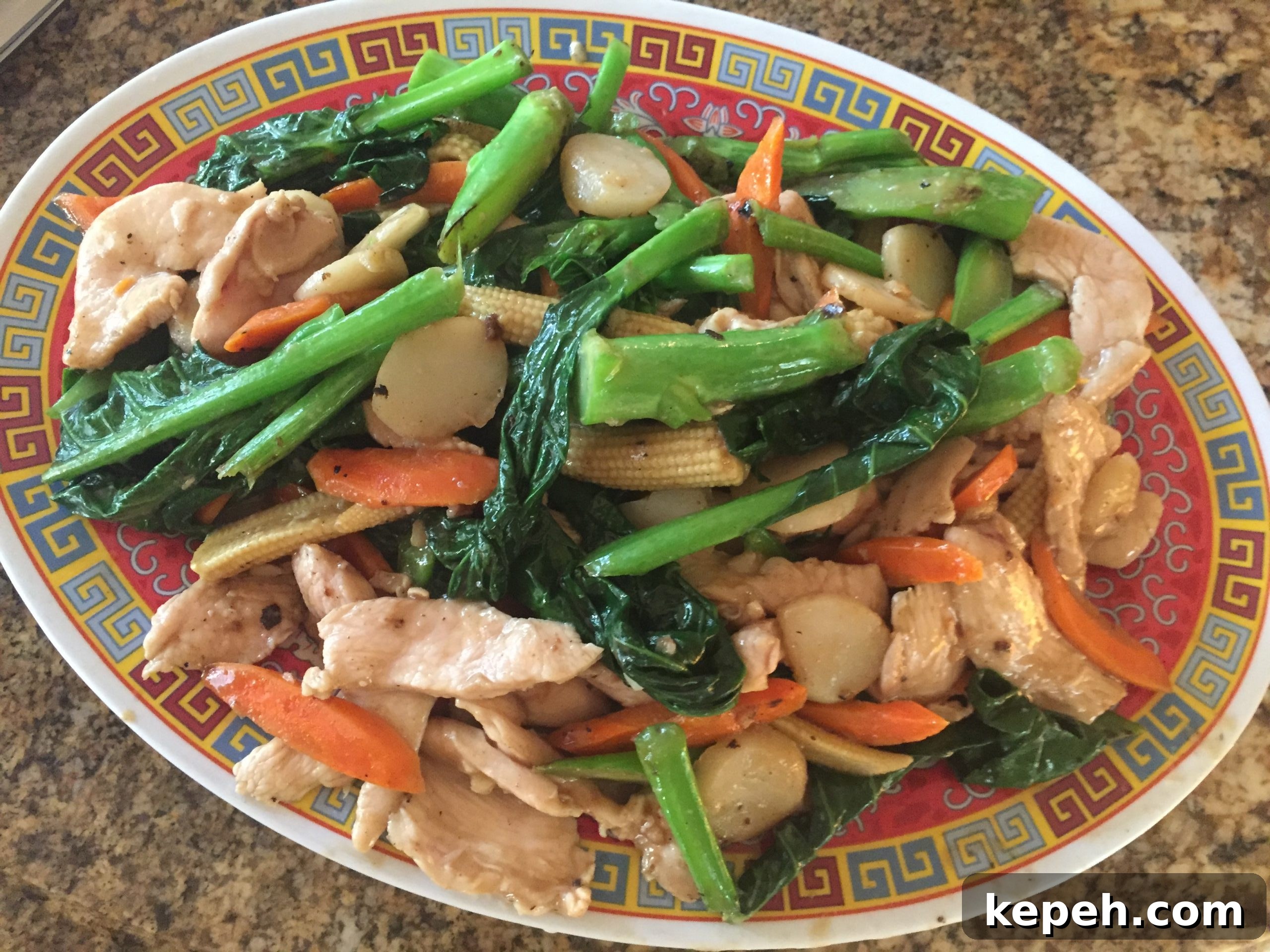
Stir-fried vegetables with meat