I’m back on the blog after more than three weeks. It was a long, hot summer and I only managed a few posts and recipes here and there. The warm days seem reluctant to end, even though I already crave cool autumn evenings, butternut squash soup and blankets with a good book.
Despite an irregular posting schedule, I didn’t get bored this summer — it was full of events and small adventures that kept me busy and inspired.
In June we headed west. First we attended a food styling and photography workshop led by Annette Joseph in Alassio, then visited Giuseppina at her cookery school in Provence. Basil and lavender still color those early summer memories.
July brought an intense heat wave. I flew to Oxford for the Oxford Symposium on Food and Cookery, then returned for the high season of cooking classes and the hottest summer in over a century. Mint became my daily rescue: I would pick a sprig from the garden and crush it into a jug of icy water to cool down long days in a kitchen heated by ovens and stoves.
August was no relief — Milan felt almost empty while we visited the Expo, I cooked a few recipes for the Tuscan region, and a fierce thunderstorm left the city humid and heavy. We tasted impressive Korean, Thai and Vietnamese street food at the Expo, memorable in such a different setting.
After that we escaped to the Apennines to forage wild blueberries and enjoy two cooler nights that finally cleared my head and allowed me to sleep.
September arrived with shorter days and cooler nights, and it proved eventful as well. We prepared a wedding picnic in Chianti, then drove south for more than ten hours to spend a long-awaited week in Puglia. My vacation routine there began with cold coffee and almond milk — a little ritual that perfectly evokes Salento, the sea and holiday life.
Now we’re back: back to cooking classes, back to teaching Interpersonal Communication at the Florence University of the Arts, and back to the blog.
Although this summer was long, exhausting and at times unbearable, I want to keep its memories. It was our first summer together in our house — a season of lessons and new experiences. I’ll carry the summer of 2015 in my heart and preserve fresh herbs for the colder months ahead.
5 WAYS TO PRESERVE SUMMER HERBS
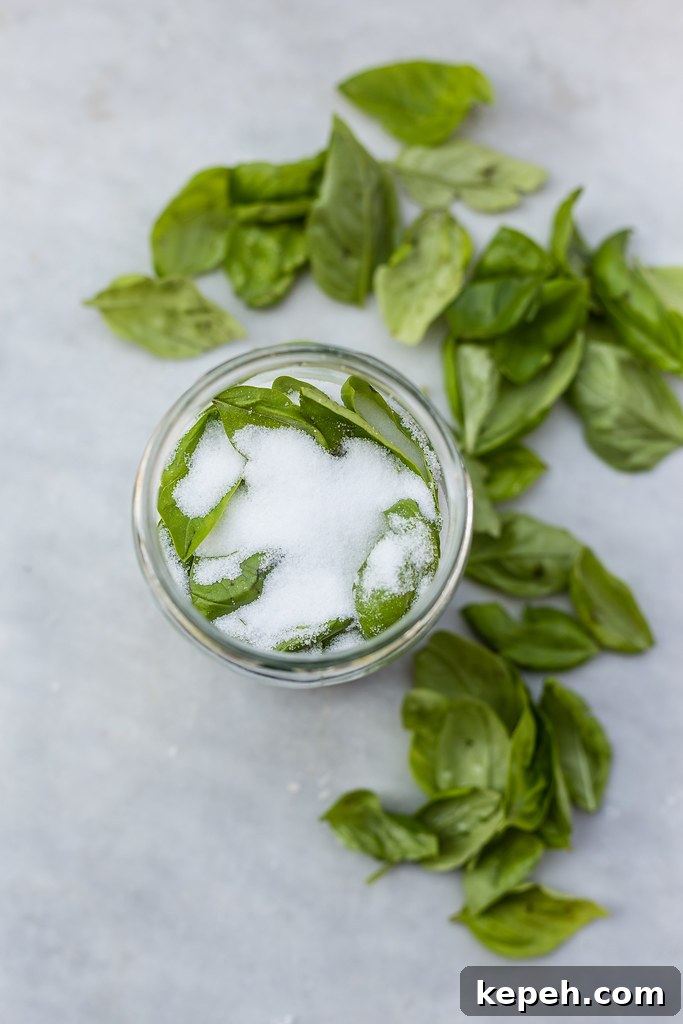
1. BASIL AND SALT
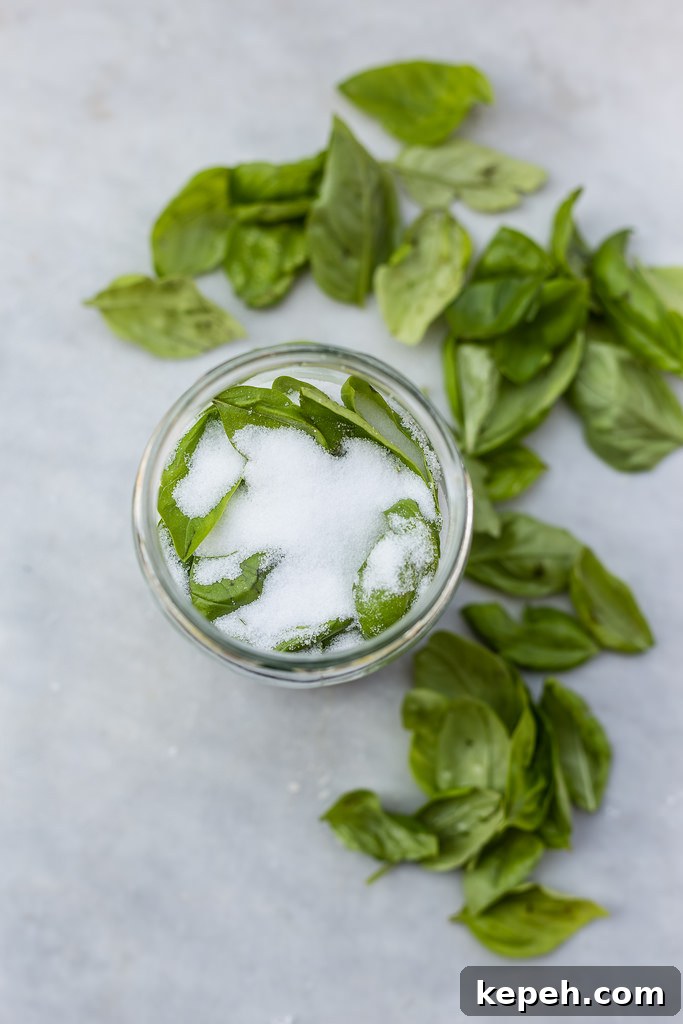
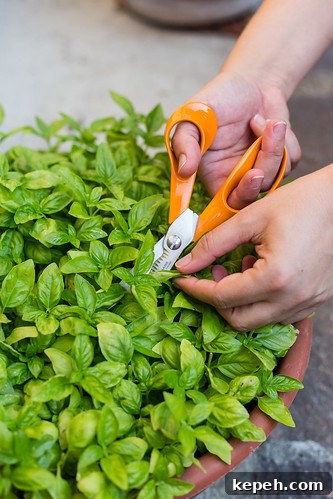
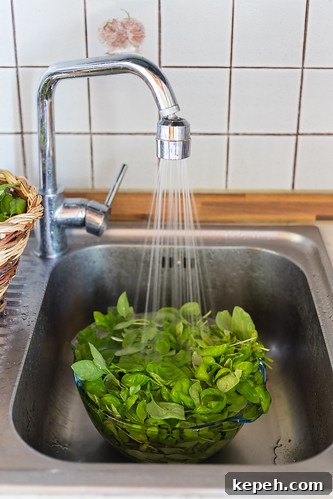
This year the herb bed flourished despite the heat, lovingly tended by my grandmother. One of the simplest ways to preserve basil is in a jar layered with fine sea salt. Wash and pat the leaves dry, then alternate layers of basil and salt. Stored this way, a leaf and a pinch of salt added to winter soups, stocks or minestrone will bring a bright, balsamic note of summer.
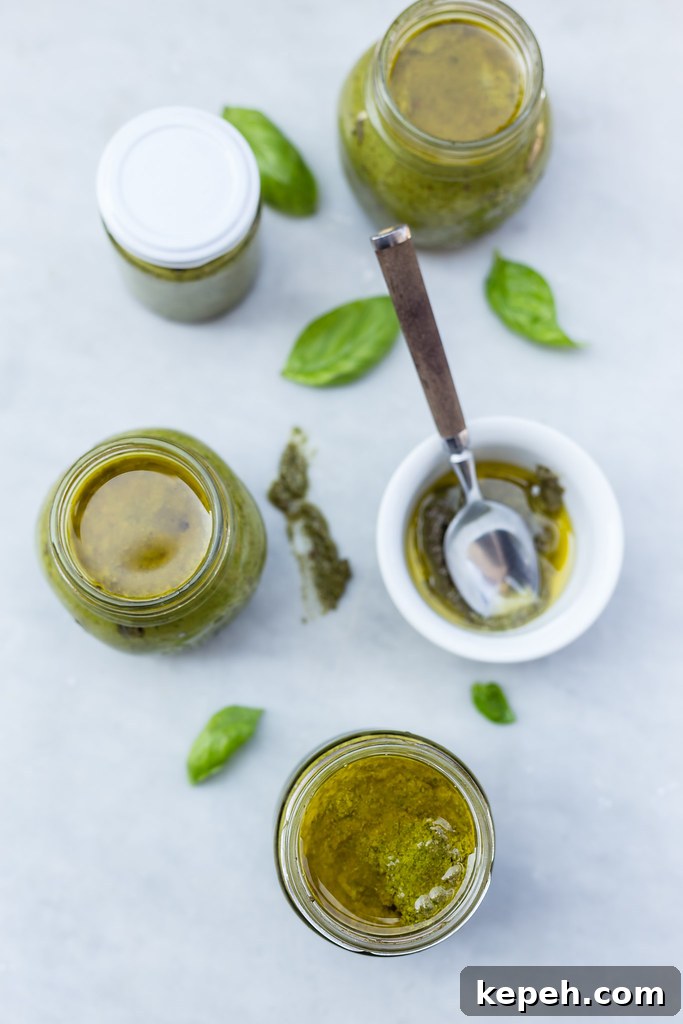
2. BASIL AND NUT PESTO
Classic Genoese pesto — basil, pine nuts, pecorino and olive oil — is my favorite pasta topping. When I discovered I’m lactose intolerant I adapted the recipe, replacing cheese with almonds and walnuts and leaving out garlic. The result isn’t legally “pesto” by tradition, but it’s delicious: I freeze small jars for winter and use it on rice, spelt or simply stirred into warm pasta. It keeps well when stored under olive oil in the fridge for a week or frozen for longer.
Basil and nut pesto — quick method
Soak almonds and walnuts for a few hours, wash and dry basil leaves, then blend the drained nuts with basil and a teaspoon of salt. Add extra-virgin olive oil gradually until smooth. Spoon into small jars, cover with olive oil and refrigerate for up to a week or freeze for longer storage.
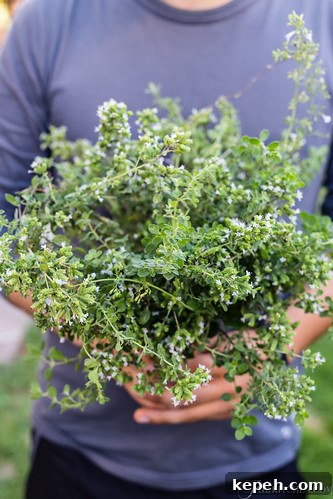
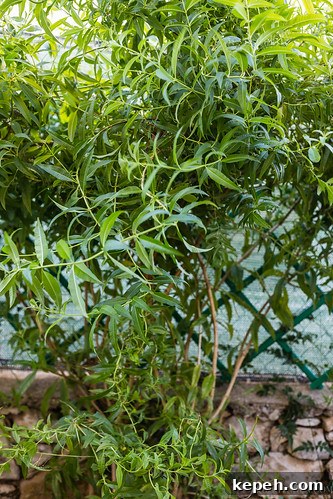
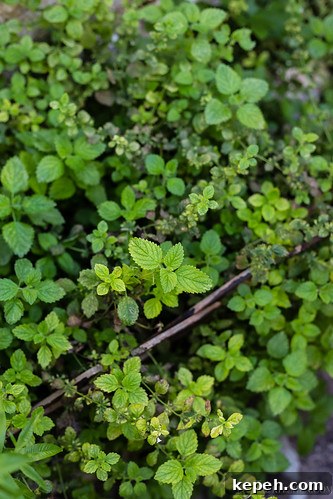
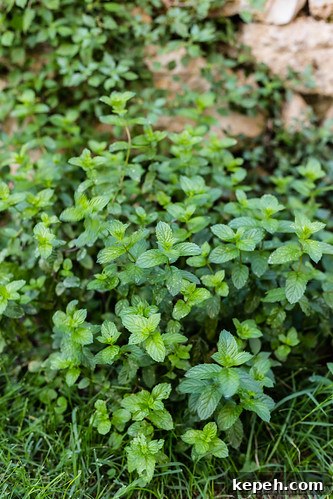
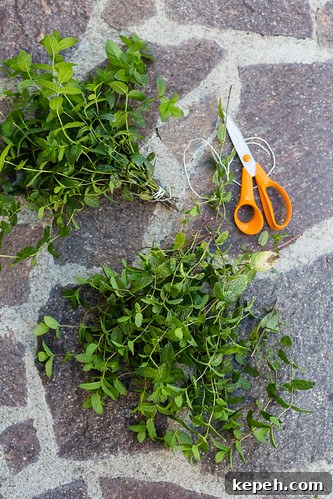
(top left: catmint, top right: lemon verbena – bottom left: lemon balm, bottom right: mint)
3. DRYING HERBS
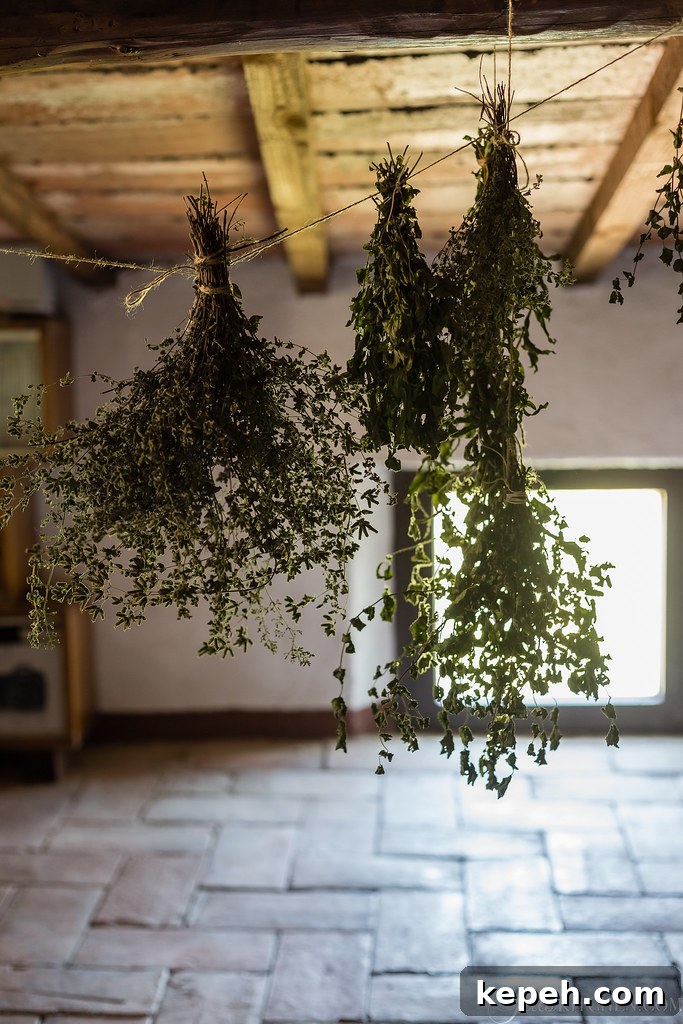
A tidy attic with good airflow is perfect for drying herbs. I hung bunches of mint, lemon verbena, lemon balm and catmint to dry for several days. Once dry, they make comforting winter infusions or thoughtful homemade gifts packed in glass jars. Catmint keeps its flavor well and will last on the shelf until spring returns with new leaves.
4. FREEZING
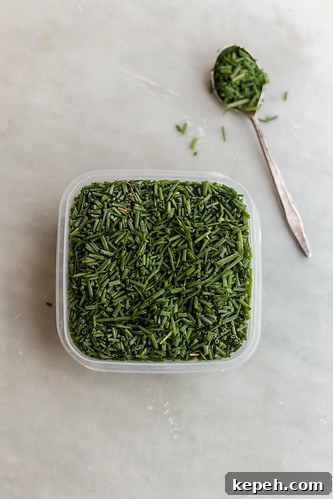
Chives and parsley freeze exceptionally well. Wash and dry the herbs, chop them with a sharp knife, then pack the chopped herbs into airtight containers and freeze. When you need them, scrape out the amount you want with a fork — they retain much of their fresh aroma and are perfect for potato salads, scrambled eggs or finishing soups.
5. RUB SALT
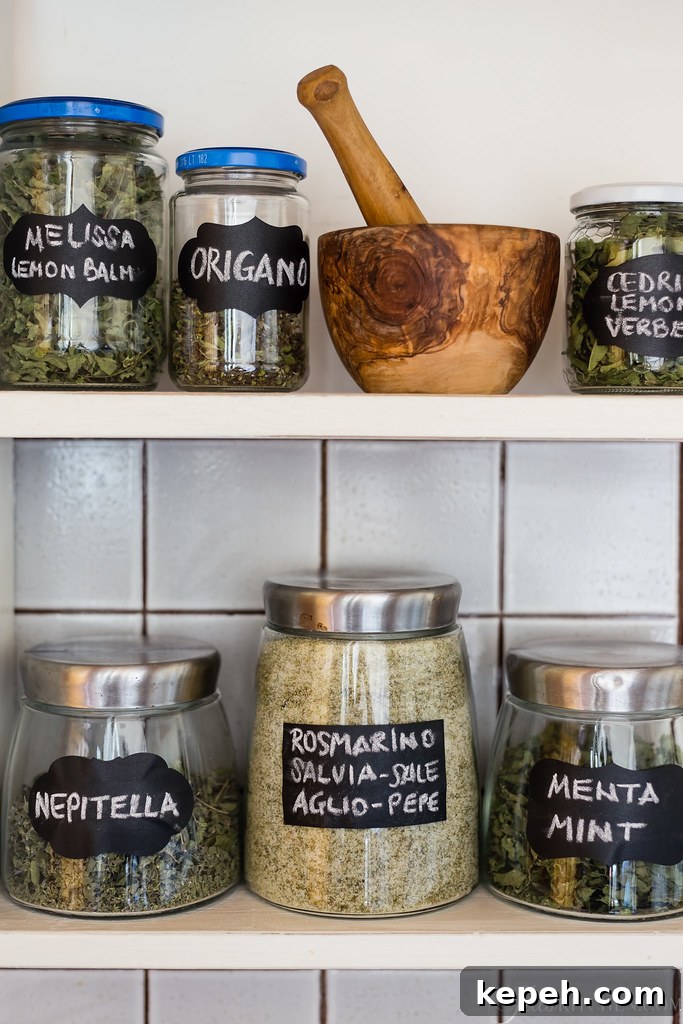
My mother’s rub salt—salt combined with rosemary, sage, garlic and black pepper—is a Tuscan staple. It’s brilliant on roast meat, roasted potatoes, vegetables, schiacciata or simply on toasted bread with new olive oil. Open a jar and you’ll immediately recognize the scent of the region.
Link love
- A very inspiring post about preserving fresh herbs in olive oil from The Kitchn (recommended reading).
- Rodale’s Organic Life has a helpful piece on easy ways to preserve herbs.
- A delightful recap of Annette’s Italian Riviera styling and photography workshop and information about upcoming workshops.
- Many thanks to Fiskars for the cheerful orange scissors that I’m now addicted to.