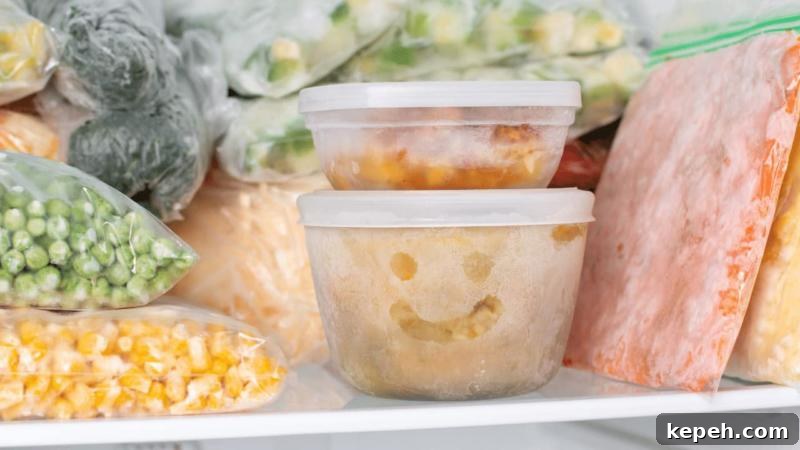
Frozen meals are made for convenience: ready to heat straight from the freezer in minutes. But if you accidentally place a frozen microwave meal in the fridge instead of the freezer, is it still safe? The short answer: yes—sometimes. There’s a limited window during which a thawed frozen meal in the refrigerator remains safe to eat, and knowing the rules helps prevent foodborne illness.
Table of Contents
Can You Store Frozen Microwave Meals in the Fridge?
Yes, you can place frozen microwave meals in the refrigerator, but only for a short time. Once a frozen meal has thawed in the fridge, its safe consumption window is limited—generally no more than 24 hours. After that period the meal should be discarded. Importantly, thawed meals should not be refrozen: once the product has warmed enough to defrost, bacterial growth can begin and refreezing won’t reliably reverse that risk.
Are Frozen Microwave Meals Safe Once They’ve Been In The Fridge?
Safety depends on timing. If a frozen meal has been in the refrigerator for less than 24 hours after thawing, it is generally safe if handled and reheated properly. After 24 hours, the risk of bacterial growth increases and it’s safer to throw the meal away. Frozen meals are typically flash-frozen to stop bacterial growth; once thawed, bacteria can resume multiplying even at refrigerator temperatures.
Even when reheating a thawed meal, follow the package instructions and ensure the food reaches a safe internal temperature. Reheating does not always eliminate toxins or bacteria that may have developed during improper storage, so timely consumption is important.
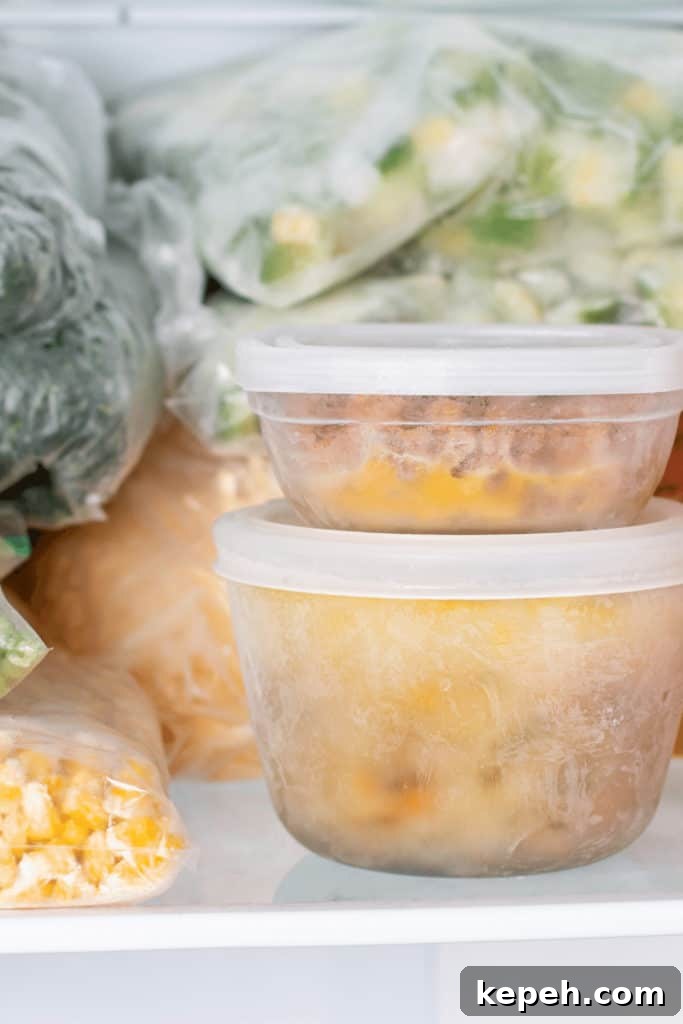
What Are Some Of The Risks With Frozen Meals In The Fridge?
Several risks arise when frozen meals thaw in the fridge. First, expiration dates printed for frozen storage no longer reliably apply once the product thaws. A meal that was frozen near its sell-by date might already be close to spoilage once thawed.
Second, the protective effect of flash-freezing is lost. Freezer temperatures inhibit bacterial growth; in the refrigerator, temperatures are higher and bacteria can begin to multiply. Third, changes in texture and flavor are common: meals formulated to cook from frozen may dry out or develop uneven textures if cooked after thawing.
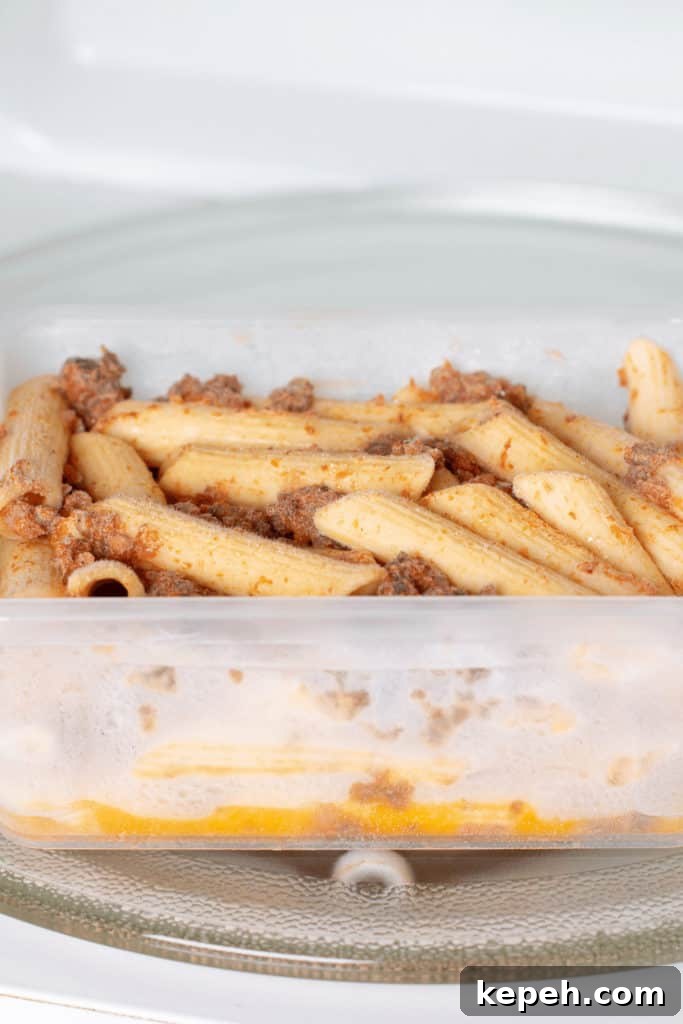
How to Tell if Your Frozen Meal Has Gone Bad
Check for these common signs of spoilage after a frozen meal has thawed:
- Color changes: Dull, grey, or off-color food can indicate spoilage.
- Texture: Slimy, sticky, or unusually mushy textures are red flags.
- Smell: Any off or sour odors mean you should discard the meal.
- Condensation inside packaging: Excess moisture collecting under the film during thawing can indicate bacterial growth.
If you notice any of these signs, do not consume the meal. Cooking may not eliminate all risks, especially if bacteria produced toxins that are heat-stable.
Frequently Asked Questions
Do frozen microwave meals reheat properly once they’ve been left in the fridge?
They can, but results often vary. Meals designed to cook from frozen may develop drier or uneven textures when reheated after thawing. Determining the correct microwave time is harder with thawed food, increasing the risk of overcooking.
Can you reheat a frozen meal that has been thawed and stored after cooking?
If you cooked a thawed frozen meal and then stored leftovers, it’s safer to discard them rather than reheat later. Even after heating, leftovers that were stored after thawing can pose a food safety risk if storage times or temperatures were not ideal.
Does a frozen meal lose flavor if it has been stored in the fridge?
Yes. Flash-freezing helps lock in flavor and texture. When a meal thaws, moisture redistribution and mild bacterial activity can dull flavors and change texture, especially after approaching the 24-hour mark.
Conclusion About Frozen Microwave Meals in the Fridge
You can put frozen microwave meals in the refrigerator temporarily, but treat them as perishable once thawed. Aim to eat thawed meals within 24 hours, inspect for signs of spoilage, and never refreeze a meal that has fully thawed. When in doubt, throw it out—food safety should come first.