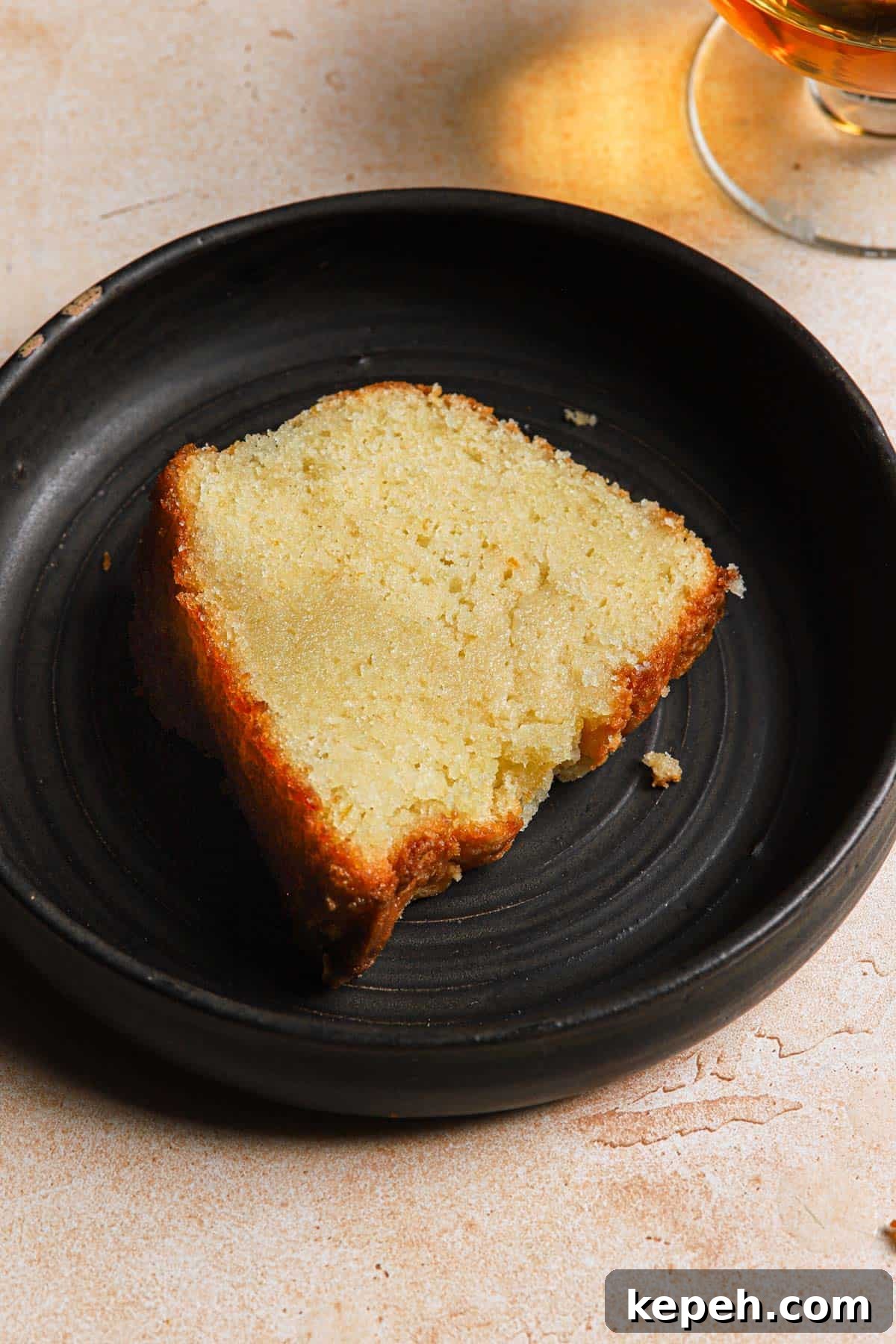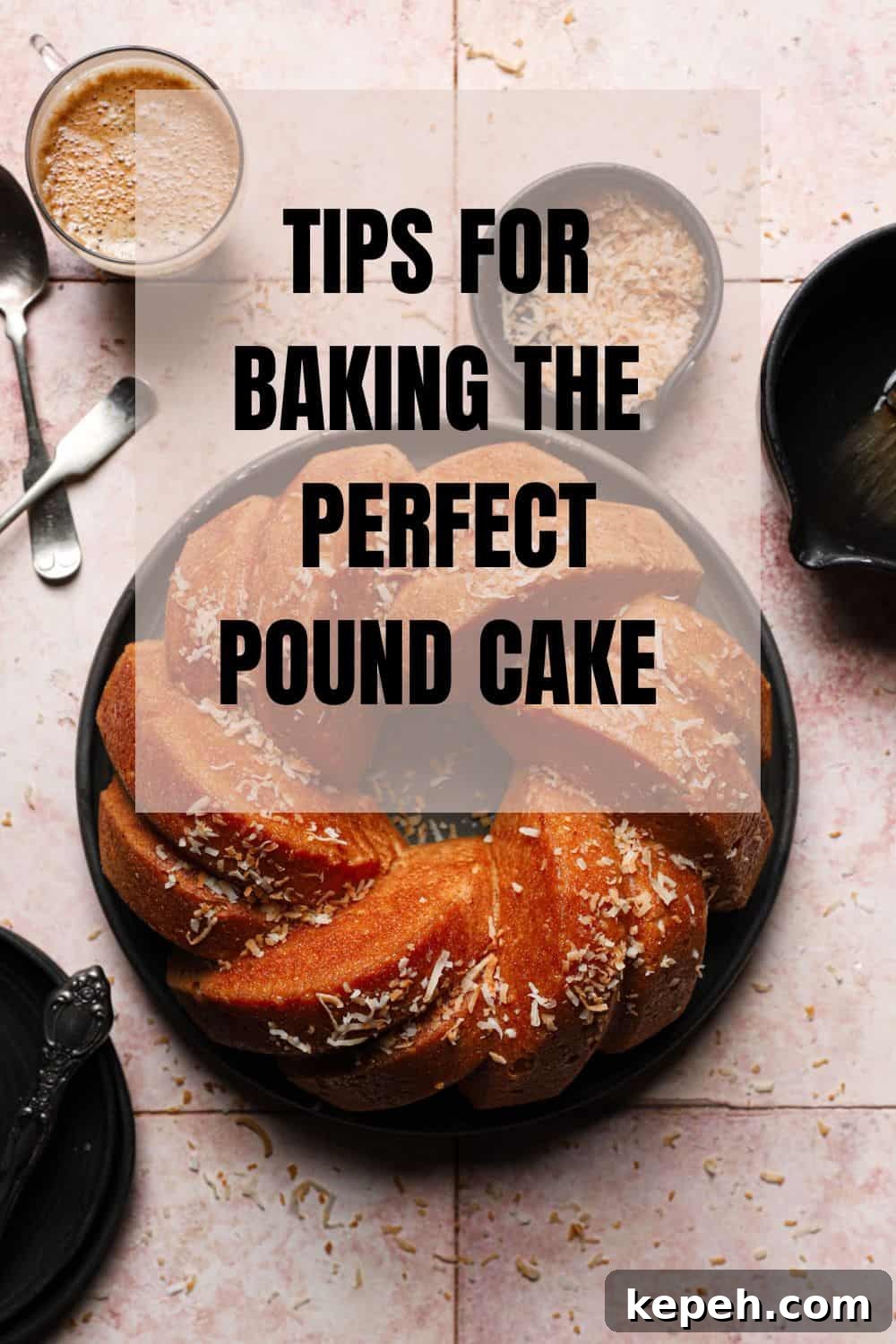
In this post, I collected my top tips for baking cake but, to be more specific, the perfect pound cake. Is there anything more satisfying than a buttery, moist cake with a beautiful dark golden crust in the shape of a bundt pan? Whether it is a chocolate cake or vanilla cake, a well-baked pound cake is hard to beat.
This post contains affiliate links.
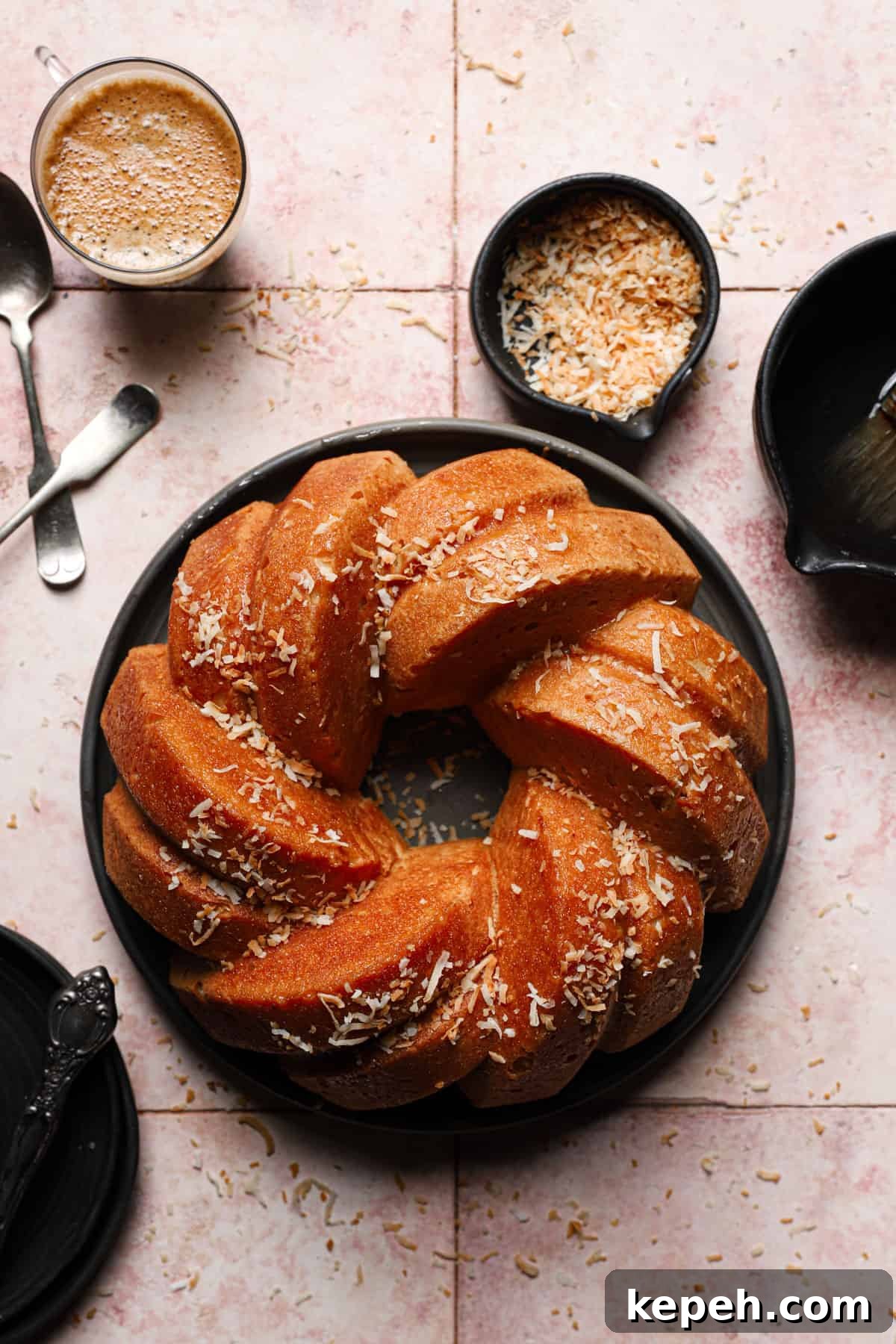
Tips for baking cake: pound cakes
Baking a perfect pound cake — whether it’s a pistachio pound cake or a classic marble pound cake — is an exercise in precision, patience, and understanding technique. In this guide, I’ll walk through essential tips to help you achieve a moist, tender, and flavorful pound cake. These suggestions focus on pound cakes and similarly rich butter cakes; while some ideas may apply to angel food or chiffon cakes, those rely on different techniques.
1. Read the Recipe
Before you begin, read the entire recipe carefully. Note ingredients, quantities, equipment, and any special steps. Reading ahead prevents mistakes, helps you organize ingredients and tools, and gives you a clear timeline so the process flows smoothly.
2. Room Temperature Ingredients
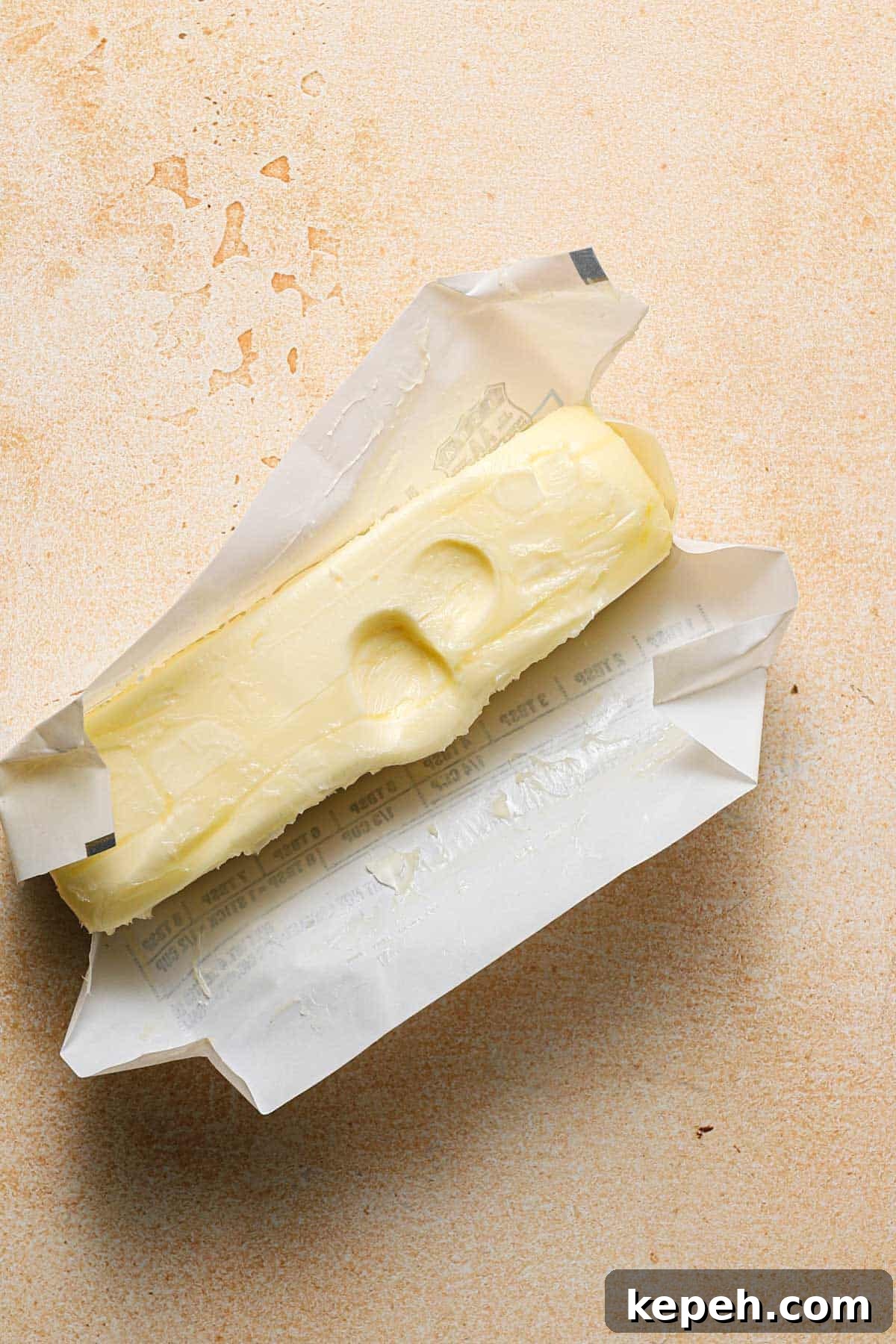
Most pound cake recipes call for room-temperature ingredients because temperature affects how ingredients interact. Butter at about 65–68°F (17–19°C) creams with sugar to trap air, creating a light structure. Cold butter resists aeration and yields a dense cake. Likewise, eggs and other wet ingredients should be at room temperature to emulsify properly; cold eggs make it harder to bind fats and liquids, which can result in a tough or greasy crumb.
Remember that ingredients like sour cream, cream cheese, fruit purees, and citrus juice count as wet ingredients because of their high water content. Bring them to room temperature when the recipe calls for it to ensure smooth incorporation.
3. Accurately Measure the Ingredients
Precision matters in baking. A kitchen scale is the best investment if you bake regularly, because weighing ingredients gives consistent results. If you must use measuring cups for dry ingredients, fluff the flour with a spoon, scoop it into the cup without packing, then level it with a knife. Overmeasuring flour is a common cause of dry, heavy cakes.
4. The Mixing Method: Creaming or Blending
The creaming method
Creaming butter and sugar incorporates air into the batter, which helps the cake rise and develop a tender crumb. When using this method:
- Add eggs one at a time, fully incorporating each before adding the next.
- Add the dry ingredients alternating with liquids in three parts, beginning and ending with the dry mix.
This method is ideal for traditional pound cakes and many butter-based recipes.
The blending method
The blending method is simpler and often used when the recipe calls for oil rather than butter. Ingredients are mixed together until combined. Because this method doesn’t rely on creaming to trap air, gentle mixing, sifting, or folding becomes important to incorporate enough air for a light texture. Use this method for recipes where oil provides moisture and a tender crumb.
5. Mixer Speed
Mixer speed affects texture and development:
- Use medium-high speed to cream butter and sugar without over-aerating.
- Use higher speed briefly when adding eggs to help emulsify them into the batter.
- Add flour at low speed to limit gluten development; finish folding the last portion by hand with a spatula.
6. Don’t Overmix or Undermix
Mix until ingredients are fully incorporated but stop as soon as they are combined. Undermixing leaves pockets of dry ingredients; overmixing develops gluten and can deflate the batter, producing a tough or chewy cake. Typical creaming takes about 4–5 minutes depending on the mixer and temperature—stop when the mixture is light in color and smooth. When adding flour, mix only until no streaks of dry flour remain, using a rubber spatula for the final folds.
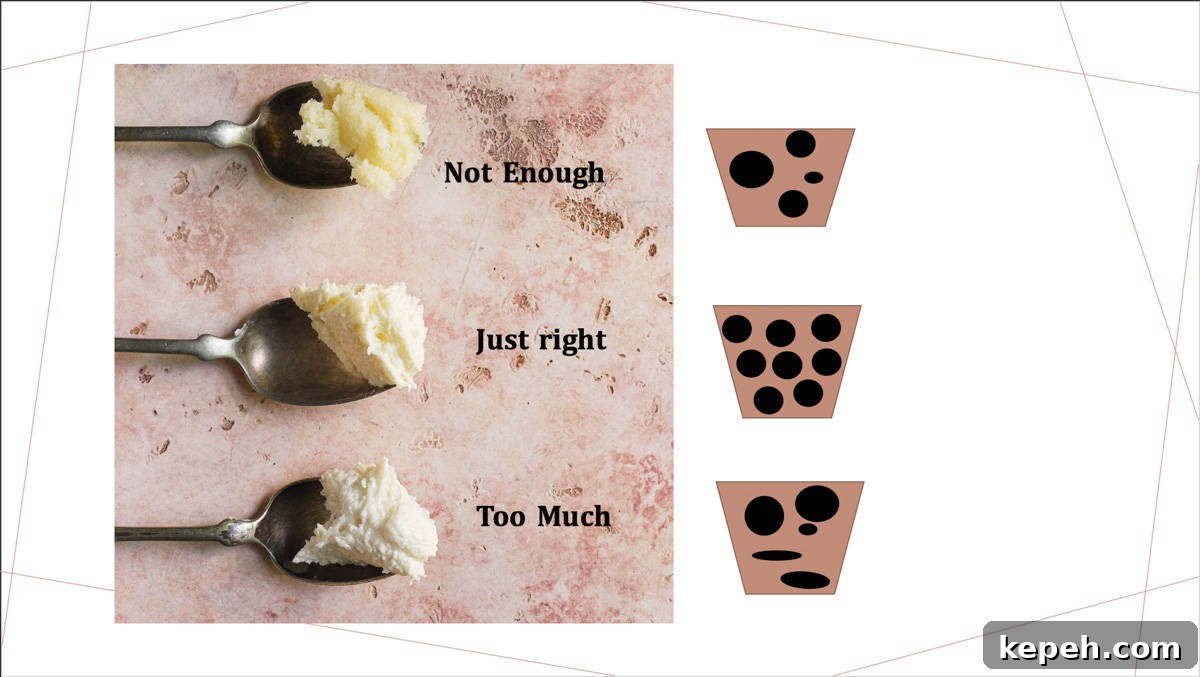
7. Scrape as You Go
Stop the mixer periodically and scrape the bowl’s sides and bottom with a rubber spatula. This ensures even mixing and prevents pockets of unmixed butter or flour, giving a uniform texture to the batter.
8. Know Your Oven
Ovens vary in temperature and performance. Use an oven thermometer to verify accuracy and learn the hot spots. Follow the recipe’s visual cues and doneness tests: a toothpick inserted in the center should come out with a few moist crumbs, and the cake’s top should spring back when lightly pressed. Adjust baking times as needed based on your oven’s behavior.
9. Cooling Process
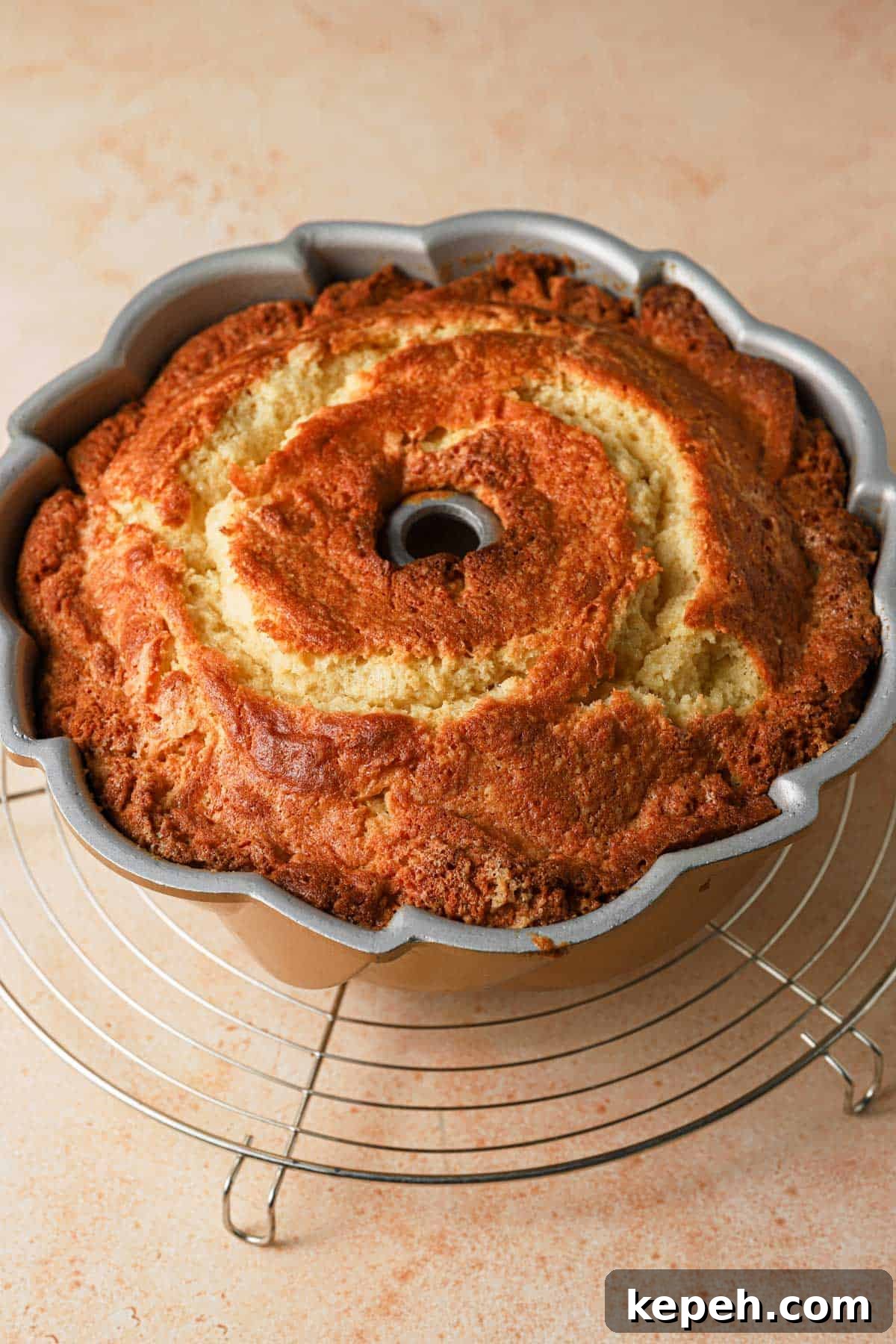
Cakes finish cooking from residual heat after they come out of the oven, and removing them too soon or inverting them while hot can cause collapse. Let a bundt or loaf cool in the pan for 20–30 minutes, depending on size and weight, then gently invert onto a wire rack to finish cooling. Never leave a cake to cool completely in the pan; it will trap steam and can become soggy.
10. Storing Your Pound Cakes
Pound cakes often taste best the next day at room temperature. Avoid refrigerating unfrosted cakes, since refrigeration dries them out. Store unfrosted bundts and sheet cakes at room temperature covered with a cake dome or wrapped in foil. For longer storage or to bake ahead, freeze cooled cakes tightly wrapped in plastic and placed in a freezer bag for up to 4–6 weeks. Thaw at room temperature while still wrapped to preserve moisture.
I hope these tips help you bake better pound cakes. If you have questions or additional tips, feel free to share them; baking is always a learning process and I enjoy discovering new techniques.
More How To Tutorials
How To Make Brioche Bread, How To Laminate Dough, How To Temper Chocolate