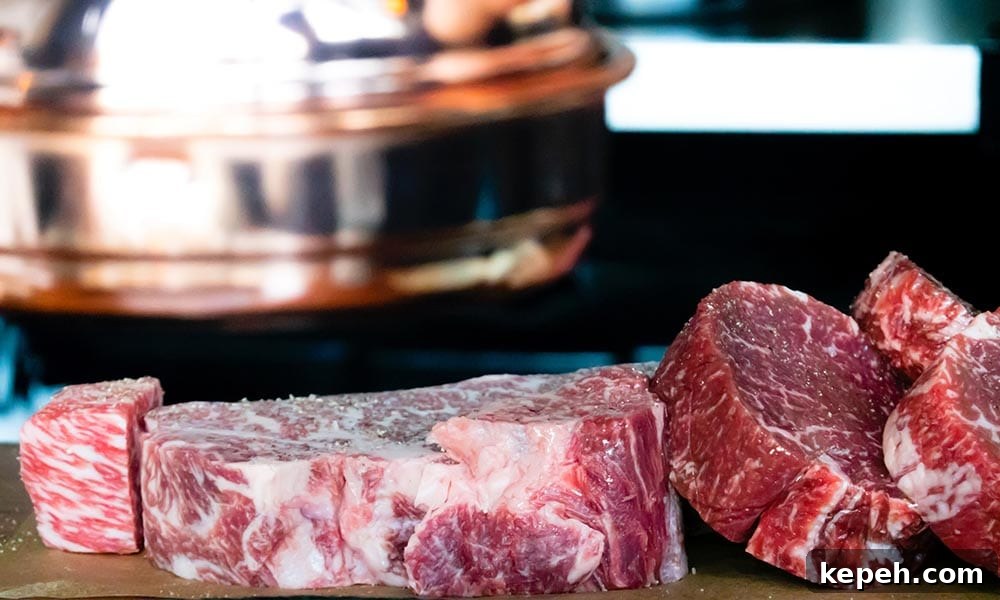
This list of important cooking terms for preparing meat explains common words and phrases used when handling and cooking animal-based foods. It’s a practical reference for anyone new to preparing meat at home or looking to refine basic kitchen vocabulary.
If you are learning to prepare animal-based foods from scratch, there are a few cooking terms for preparing meat that you may not be familiar with yet. This guide is useful for those following a keto or carnivore approach, anyone transitioning from a plant-based diet, or anyone who wants a clearer grasp of meat preparation techniques.

Do You Love Meat Like We Do?
Consider exploring The Carnivore Cookbook for practical, zero-carb recipes that demystify animal-food preparation and emphasize nutrient density and nose-to-tail variety.
This resource focuses on approachable techniques for cooking a range of animal proteins and encourages using the whole animal to maximize nutrition.
30 Important Cooking Terms for Preparing Meat
a la Broche — To cook on a skewer over a flame (French).
Baste — To moisten food during cooking for added flavor and to prevent drying.
Blend — To thoroughly combine two or more ingredients by hand or with a mixer.
Boil — To cook in bubbling water that has reached 212°F (100°C).
Bone — To remove bones from poultry, meat, or fish.
Braise — To brown meat first, then simmer gently in a small amount of liquid over low heat in a covered pan until tender. Braising tenderizes and enhances flavor.
Brine — A salt-and-water solution used for pickling, preserving, or improving texture and moisture in meats.
Broil — To cook food on a rack under or over direct heat, typically in an oven.
Brown — To cook over high heat to develop color and flavor on the surface of food.
Cube — To cut food into roughly 1/2-inch squares.
Deglaze — To loosen browned bits from a pan by adding liquid and heating while scraping; the resulting liquid adds depth to sauces.
Dice — To cut food into small, uniform pieces (about 1/8- to 1/4-inch cubes).
Drippings — The juices and fats that render out of meat or poultry during cooking.
Fillet — A flat, boneless piece of meat, poultry, or fish; also the act of removing bones.
Grease — To coat a cooking surface with oil, butter, or shortening to prevent sticking.
Grill — To cook food on a rack with direct heat from below or above, as on a barbecue or broiler.
Poach — To cook gently at low heat in barely simmering liquid, just enough to cover the food.
Reduce — To thicken and concentrate the flavor of a liquid by boiling it down.
Render — To cook fatty meat at low heat so the fat melts out and can be collected as drippings.
Rest — The period after cooking when meat is allowed to sit so juices redistribute and the texture firms up.
Roast — To cook a large piece of meat or poultry uncovered with dry heat in an oven.
Sauté or pan-fry — To cook food quickly in a small amount of fat over relatively high heat.
Sear — To quickly brown the surface of meat over very high heat to develop flavor and color.
Simmer — To cook in liquid just below boiling so small bubbles rise but do not burst vigorously.
Skim — To remove foam or excess fat from the surface of a liquid.
Steam — To cook food using steam from boiling water, typically in a covered pan or steamer basket.
Strain — To separate liquid from solids, such as straining broth or stock.
Stew — To cook ingredients slowly in a covered pot in enough liquid to create a thick, flavorful mixture.
Tent — To loosely cover food with foil in a tent shape to keep it warm and allow gentle resting without trapping too much steam.
Truss — To tie a whole bird with kitchen twine or secure it with skewers so it holds its shape while cooking.
Transitioning from a plant-based diet to eating meat again can feel intimidating. Handling, shopping for, and preparing different meats requires some practical experience. Even items like eggs can feel unfamiliar at first.
One important lesson for many people is that some processed meats—deli meats, hot dogs, and certain sausages—can contain hidden ingredients such as gluten, so choosing minimally processed, clearly labeled products helps maintain dietary preferences and sensitivities.
Growing up with home-cooked meals doesn’t always mean you learned the hands-on skills; many cooks learn by doing. If you need a refresher, practice basic techniques like searing, resting, and proper trimming, and build confidence with simple recipes.
Use this glossary to help you read and follow recipes more confidently, especially when trying keto or carnivore-style dishes. Familiarity with these terms will make shopping, prepping, and cooking meat easier and more enjoyable.
If there are other terms you encounter often or that still confuse you, leave a comment and ask — clarifying jargon makes cooking more approachable for everyone.