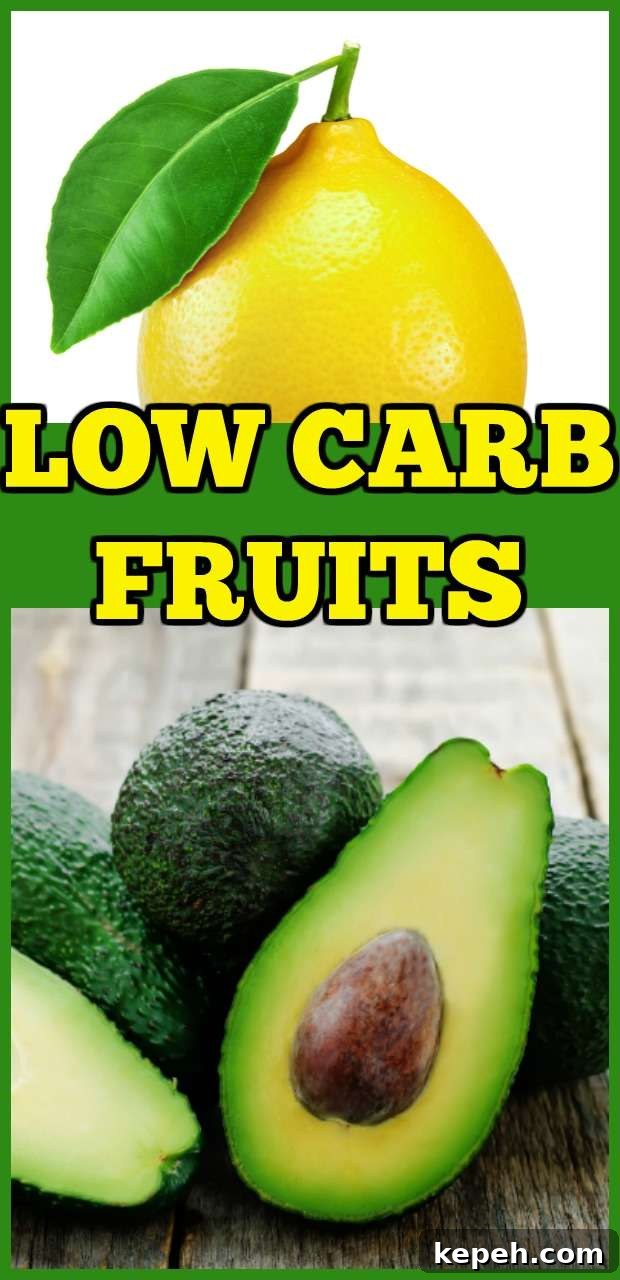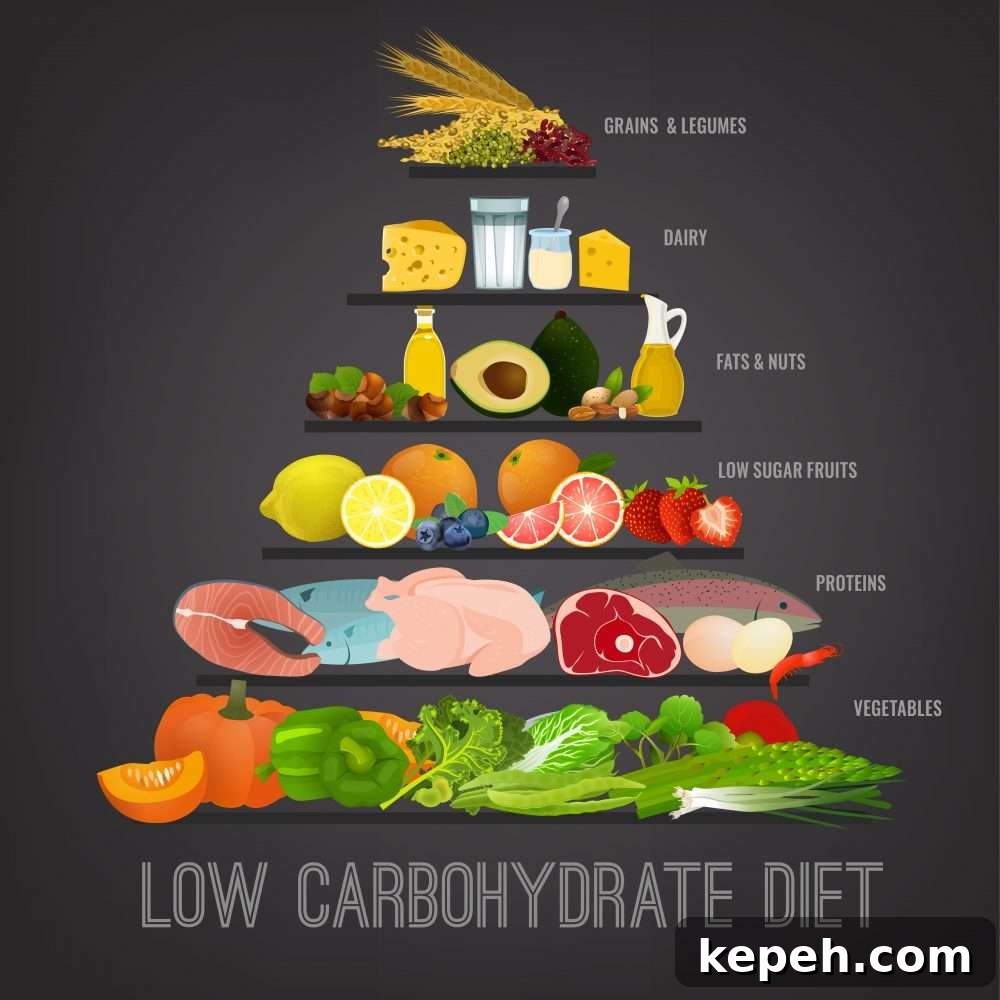
Fruit isn’t inherently “bad,” but some varieties can work against your goals if you’re following a low‑carb plan. Fruit contains natural sugars that are fine in moderation, yet they can become problematic when you’re restricting carbohydrates and trying to lose weight. Choosing low carb fruits can help you enjoy nutrients and flavor without compromising progress.
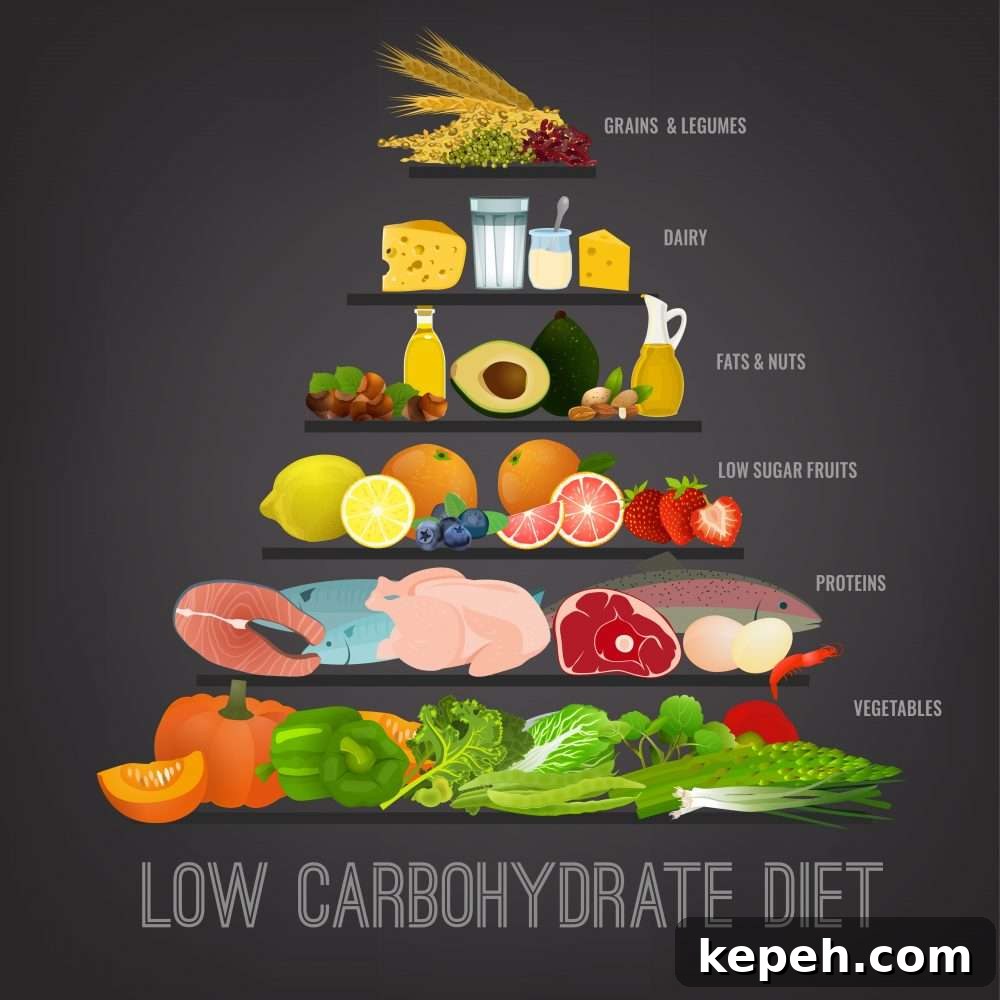
If you follow a low‑carb diet, some fruits are better choices than others. This article looks at why fruit can be an issue on low‑carb plans and highlights lower‑carb options that provide vitamins, fiber, and flavor while keeping your carbohydrate intake in check.
The Problem With Fruit
Fruit sugars, primarily fructose, are naturally occurring but still affect blood glucose. Any carbohydrate that raises blood sugar can trigger a rise followed by a drop that often leads to cravings. Frequent blood sugar swings make it harder to maintain steady energy and support fat burning—important goals on many low‑carb diets.
Remember that sugar is a carbohydrate. Because most fruits are low in protein and fat, they tend to satisfy briefly and leave you hungry sooner than a balanced snack containing protein or healthy fats. If your aim is to keep carbohydrates to a minimum, it helps to prioritize fruits that have lower sugar and carb counts per serving.
The Best Low Carb Fruits To Eat On Your Diet
When selecting fruit on a low‑carb plan, focus on portions and carbohydrate content. Higher‑sugar fruits such as bananas, apples, peaches, and mangoes often contain too many carbs for strict low‑carb goals and are best limited or avoided. Fruit juices and dried fruits are concentrated sources of sugar and should generally be skipped in a low‑carb approach.
So Which Low Carb Fruits Are Safe?
On many low‑carb plans, carbohydrates make up a small percentage of daily calories—often under 10% or less than about 50 grams of carbs per day. To include fruit while staying within that range, choose lower‑carb options and control portions. Suitable choices include:
- Avocado (yes, it’s a fruit — high in healthy fats and low in net carbs)
- Berries (strawberries, raspberries, blackberries — lower in carbs and high in fiber)
- Rhubarb (low in carbs when prepared without added sugar)
- Grapefruit (relatively low carb per half fruit)
- Honeydew (moderate carbs if eaten in controlled portions)
- Apricot (small and lower in carbs compared with many other fruits)
- Starfruit (carambola — lower in carbs when small servings are eaten)
- Lemon (low in carbs; useful for flavoring water and recipes)
You Can Enjoy Low Carb Fruits Without Derailing Your Diet
Moderation and smart selection are the keys to including fruit on a low‑carb diet. Use small portions of low‑carb fruits to satisfy sweet cravings, add variety, and boost micronutrient intake. Balance fruit with protein, vegetables, and healthy fats to maintain fullness and steady energy levels. By choosing fruits with lower sugar and keeping portion sizes reasonable, you can enjoy the taste and benefits of fruit while staying on track with your low‑carb goals.

Pin This to Your Low Carb Boards and Remember to FOLLOW ME ON PINTEREST