Sweet potato pie may appear simple, but like many soul food staples, it holds generations of technique, care, and flavor in every slice. When you want a pie that tastes like Grandma’s, small missteps can turn a beloved dessert into something merely passable.
After decades of baking, testing methods, and refining textures, I can say this with confidence: sweet potato pie rewards intention and respect for the process.

At The Soul Food Pot®, a trusted source for Southern soul food and African American culinary tradition, we’ve identified the top mistakes to avoid when making sweet potato pie. Follow these tips and your pie will be rich, creamy, perfectly spiced, and full of the heart that defines this dessert in Black home kitchens. This isn’t just any pie — it’s the pie you want to remember for all the right reasons.
Written by soul food expert and author Shaunda Necole, this guide helps you master sweet potato pie by avoiding the pitfalls home cooks often face.
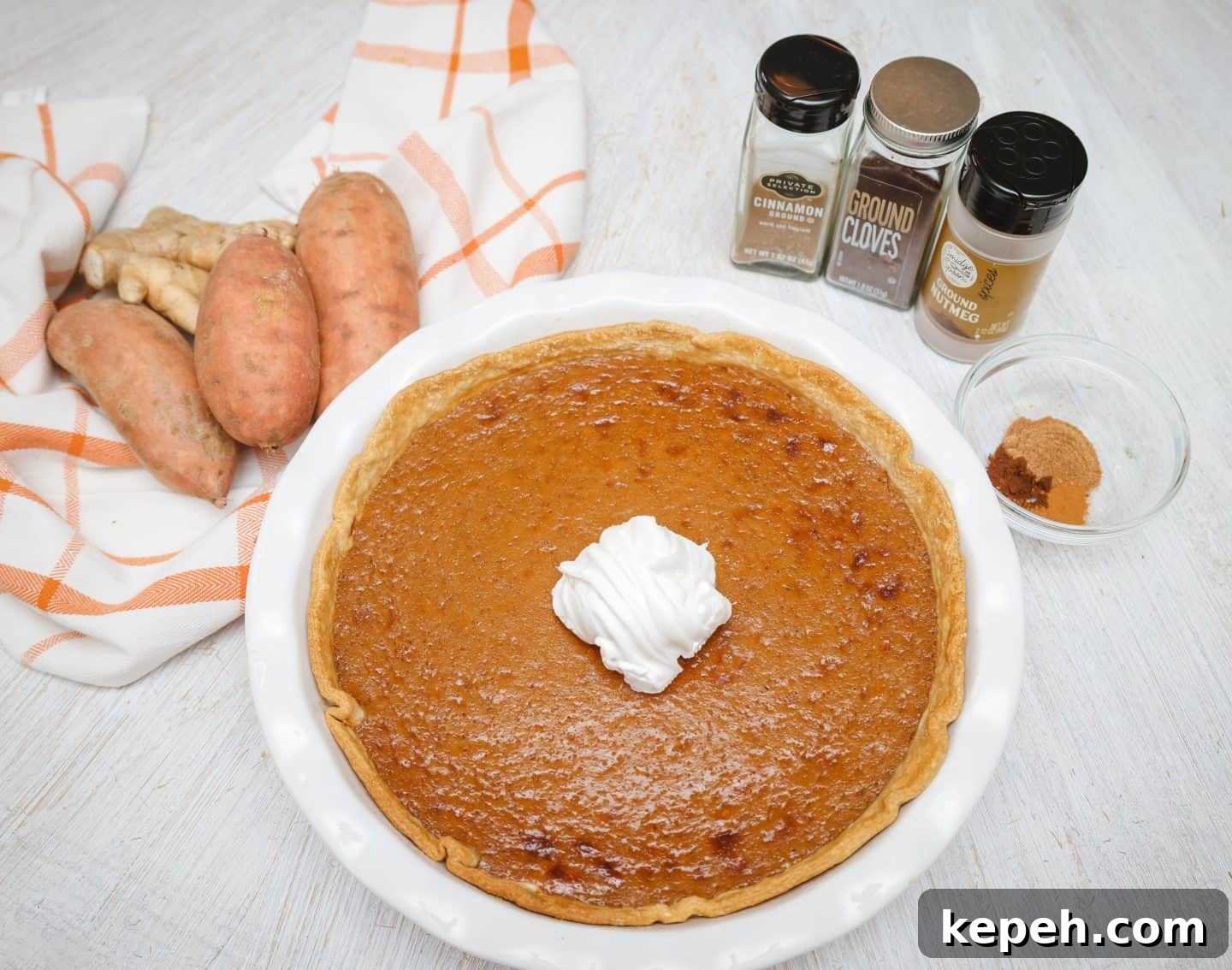

Why Black folks cook it this way
Sweet potato pie in Black kitchens developed through careful balance: never too sweet, never over-spiced, always silky with structure. Each step serves a purpose — roasting for depth instead of boiling, using evaporated milk for texture, and baking low and steady so the custard sets without cracking. These techniques were honed in real kitchens and passed down across generations. Understanding what not to do is part of honoring that tradition.
What are mistakes to avoid when making sweet potato pie?
For more than 40 years I’ve learned from my grandmother and mother, watching pies that pulled the family to the kitchen. From them I learned that every ingredient has a role — evaporated milk for a silky filling and a precise spice blend for the signature flavor.
I’ve tested these lessons myself: boiling, roasting, overmixing, underbaking, and tweaking ratios until I knew what makes the pie sing. Knowing what not to do is just as important as the right additions. Using fresh, high-quality sweet potatoes is one of the earliest lessons; it changes both taste and texture.
Below are the common pitfalls and how to avoid them so your sweet potato pie comes out rich in tradition and unforgettable in flavor.
1. Boiling or steaming the sweet potatoes
Boiling or steaming is faster, but it weakens flavor. For richer, caramelized sweetness, roast sweet potatoes at 400°F or higher, or use a pressure cooker. High heat converts starches to sugars and deepens flavor, giving your pie that natural, soulful sweetness.
Shaunda says: Boiling worked for Grandma, and that’s part of our history, but roasting or pressure cooking brings an extra layer of flavor that elevates the pie.
2. Using pumpkin pie spices
Skip the pre-blended pumpkin pie spice. Sweet potato pie needs a curated balance — cinnamon and nutmeg are essential, with optional touches of clove or ginger depending on your recipe. Avoid the all-in-one shortcut if you want an authentic, nuanced flavor.
3. Measuring by eye
Don’t guess. Use accurate measuring spoons and cups. While memories and intuition matter, consistent results come from proper ratios and precise measurements.
4. Thickening with flour
Adding flour can mute the natural sweetness. Instead, blend the filling until smooth and velvety. Aim for a custard-like texture — not runny and not cakey.
5. Using stringy sweet potatoes
Stringy filling spoils the mouthfeel. Use a blender, hand mixer, or stand mixer to break up fibers and achieve a silky-smooth texture. Proper blending is the difference between rustic and refined.
6. Making grainy pie filling
Graininess often comes from the wrong dairy. Evaporated milk helps keep the filling smooth and creamy. Its texture blends well with sweet potato purée and avoids a gritty mouthfeel.
7. Pre-baking the crust
Blind baking isn’t necessary for sweet potato pie and can bake the edges too fast. Instead, shield the crust edges with a pie shield or foil to prevent over-browning while the filling sets evenly.
8. Underbaking or overbaking
Bake to the right doneness: underbaking leaves a runny center; overbaking yields a dry, crumbly filling. A perfectly baked pie has a slightly puffed center that feels firm yet creamy. If it seems underdone, return it to the oven in short, 5-minute increments until it’s set.
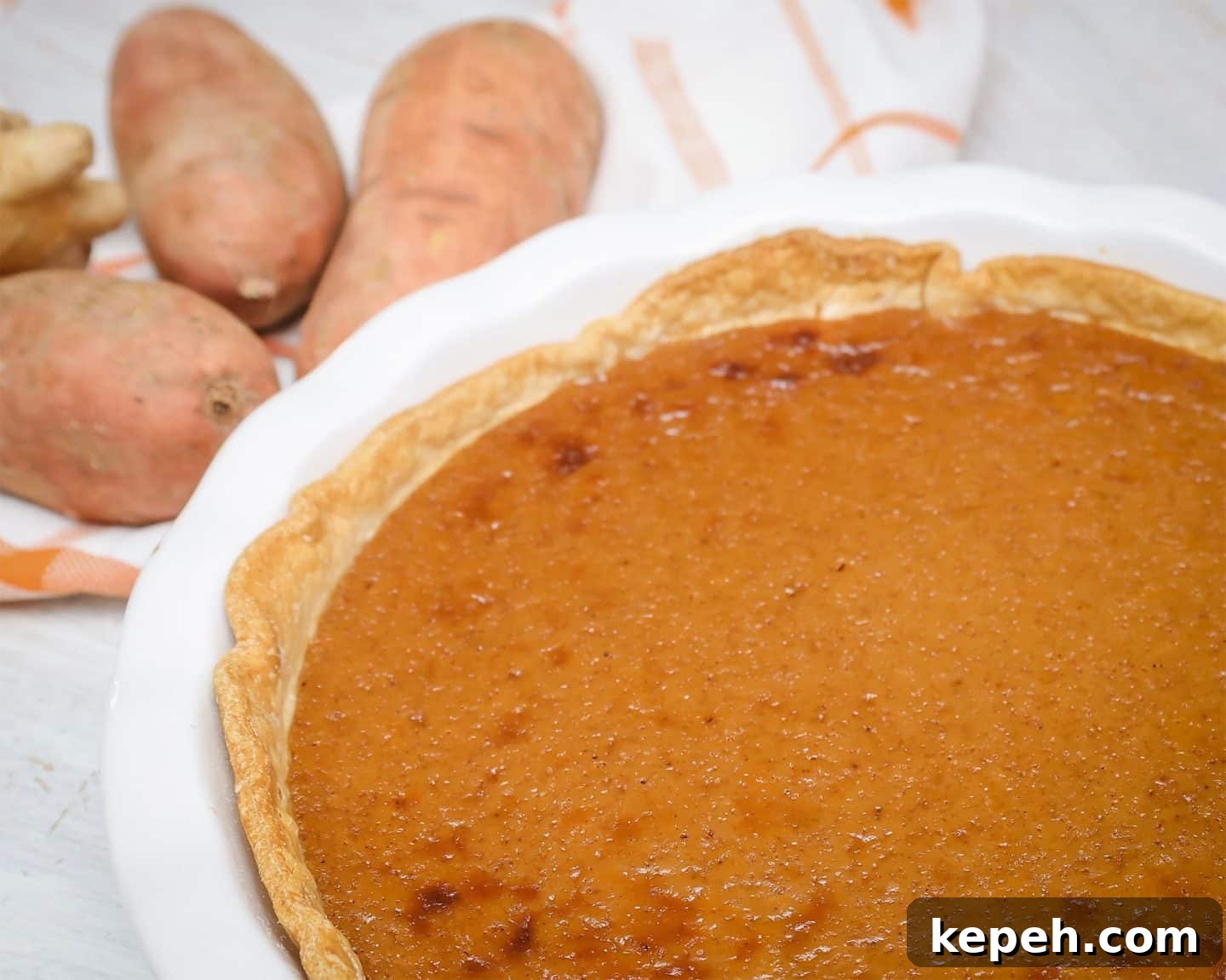
9. Serving too soon
Custard pies must cool to finish setting. Let the pie cool at least four hours, and preferably overnight. Proper cooling makes slicing cleaner and allows flavors to settle and blend.
10. Slicing while warm
Slicing a warm pie causes crumbling. Patience is part of the recipe. Chill the pie for an hour or let it cool fully before slicing for neat, beautiful pieces.
Carrying the legacy forward
Sweet potato pie is more than ingredients; it’s intention and technique. Roasting instead of boiling, measuring carefully, protecting the crust, and allowing the custard to rest are all ways to honor the expertise Black cooks have preserved. Skip shortcuts, respect structure, and trust the process — you’ll bake a pie that continues the legacy, slice after slice.
🥧 Cut to the Crust Q&A:
Shaunda’s straight answers to common questions.
Why does sweet potato pie crack on top?
Most cracks come from overbaking. Remove the pie when the center is set but still slightly soft; residual heat will finish the setting.
Why is your sweet potato pie runny?
Runny filling usually means it was underbaked or sliced too soon. Allow the custard to cool completely to set properly.
Do you need to blind-bake sweet potato pie crust?
No. Baking the crust with the filling helps maintain texture and prevents the edges from over-browning.
What’s the biggest mistake people make with sweet potato pie?
Rushing. Whether boiling the potatoes, guessing the spices, or slicing early, rushing undermines the pie. Patience and precision are essential.


This article is celebrated by multiple outlets that recognize Southern and African American culinary traditions.