Have you made cannabutter only to find it’s weaker than you expected? Don’t worry — this guide walks you through how to fix weak cannabutter you already have and offers tips to make a better batch next time.
Article Features
- The most reliable way to rescue weak cannabutter
- Common mistakes to avoid when trying to strengthen a batch
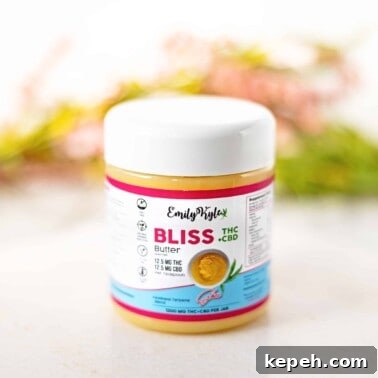
- Want to skip the work? Enjoy the convenience and consistent flavor of Bliss Cannabutter — a ready-made option if you prefer not to re-infuse at home.

Why You Will Love This Guide
Cannabutter can elevate familiar recipes, but a weak batch is disappointing. The good news: many batches can be rescued. This guide compiles practical, tested methods from experienced home cooks to help you restore potency or plan a stronger infusion next time.
We’ll cover how to re-infuse, how to choose and prepare cannabis, infusion ratios and temperatures, storage guidance, and pitfalls to avoid so your next batch delivers the effects and flavor you want.
How to Fix Weak Cannabutter
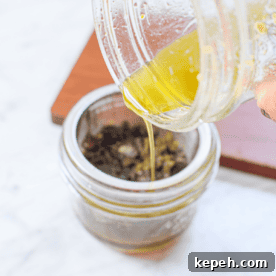
If you have a jar of cannabutter that’s too weak to toss, the most straightforward fix is to re-infuse it. Melt the butter, add additional decarboxylated cannabis, and infuse again to increase potency.
For example, if your original recipe used 7 grams of flower and you want roughly double potency, add another 7 grams (after decarbing) and re-infuse into the melted butter. If you’re unsure how much to add, use an edible dosage calculator to estimate final THC content before adjusting.
How to Reinfuse
Step 1 – Weigh your additional cannabis and decarboxylate it according to your preferred method.
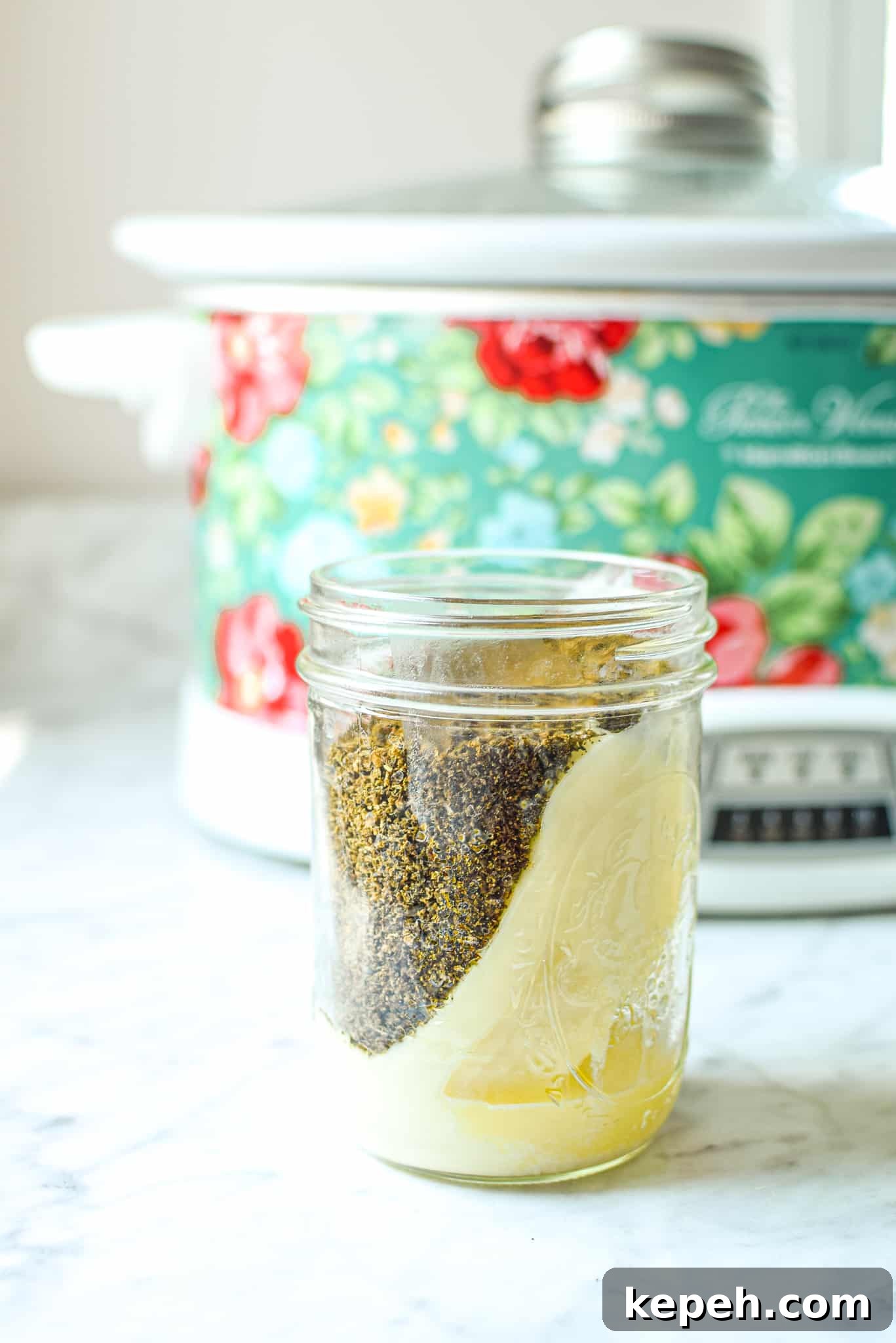
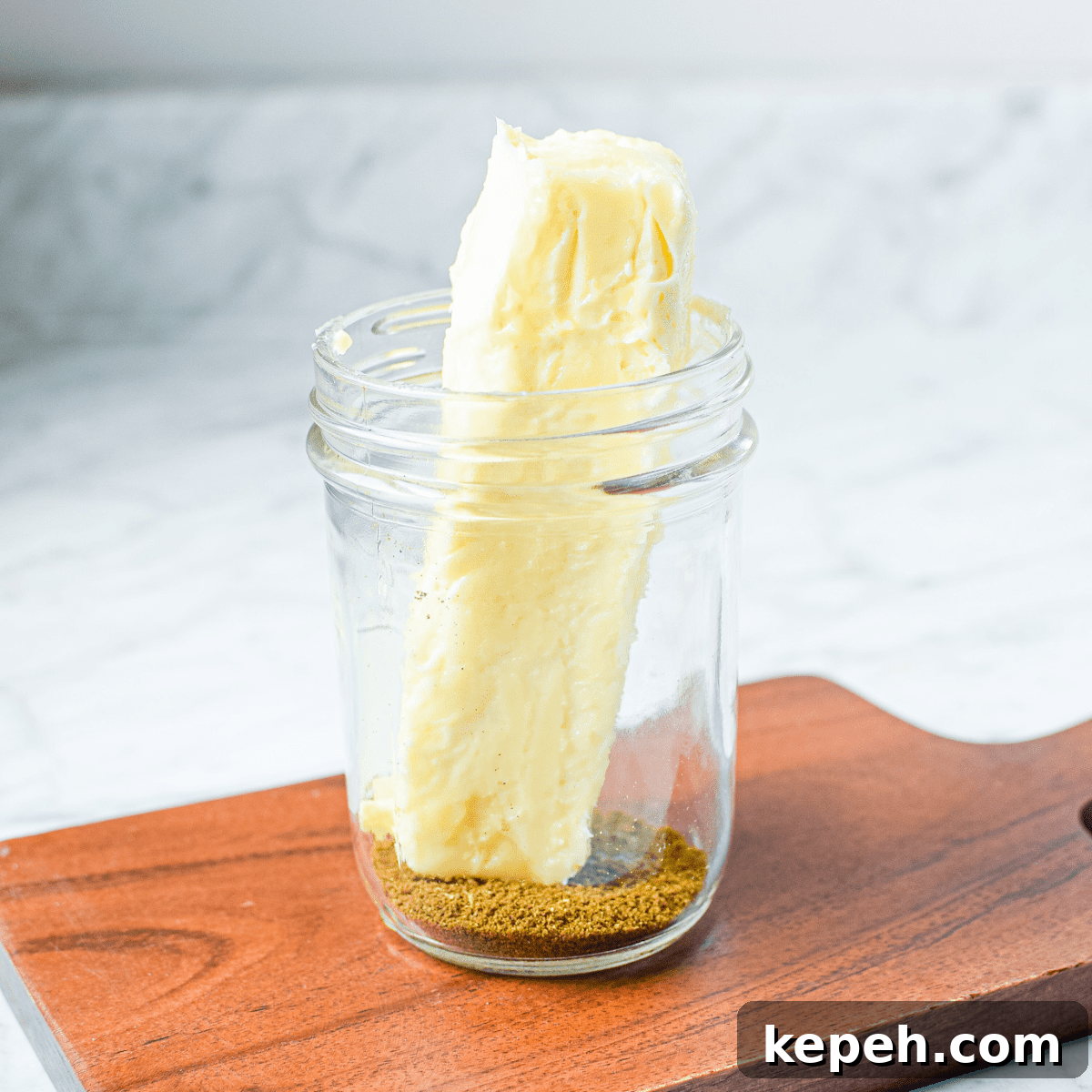
Step 2 – Combine the decarbed cannabis with your melted weak cannabutter in a heatproof container, such as a mason jar.
Step 3 – Place the jar in a controlled water bath for gentle, even heat. Suitable methods include a crockpot, Instant Pot on low, stovetop double boiler, or other slow-infusion setups.
- Crockpot or slow cooker
- Instant Pot (using a low-pressure or sous-vide style setup)
- Stovetop double boiler or low simmer
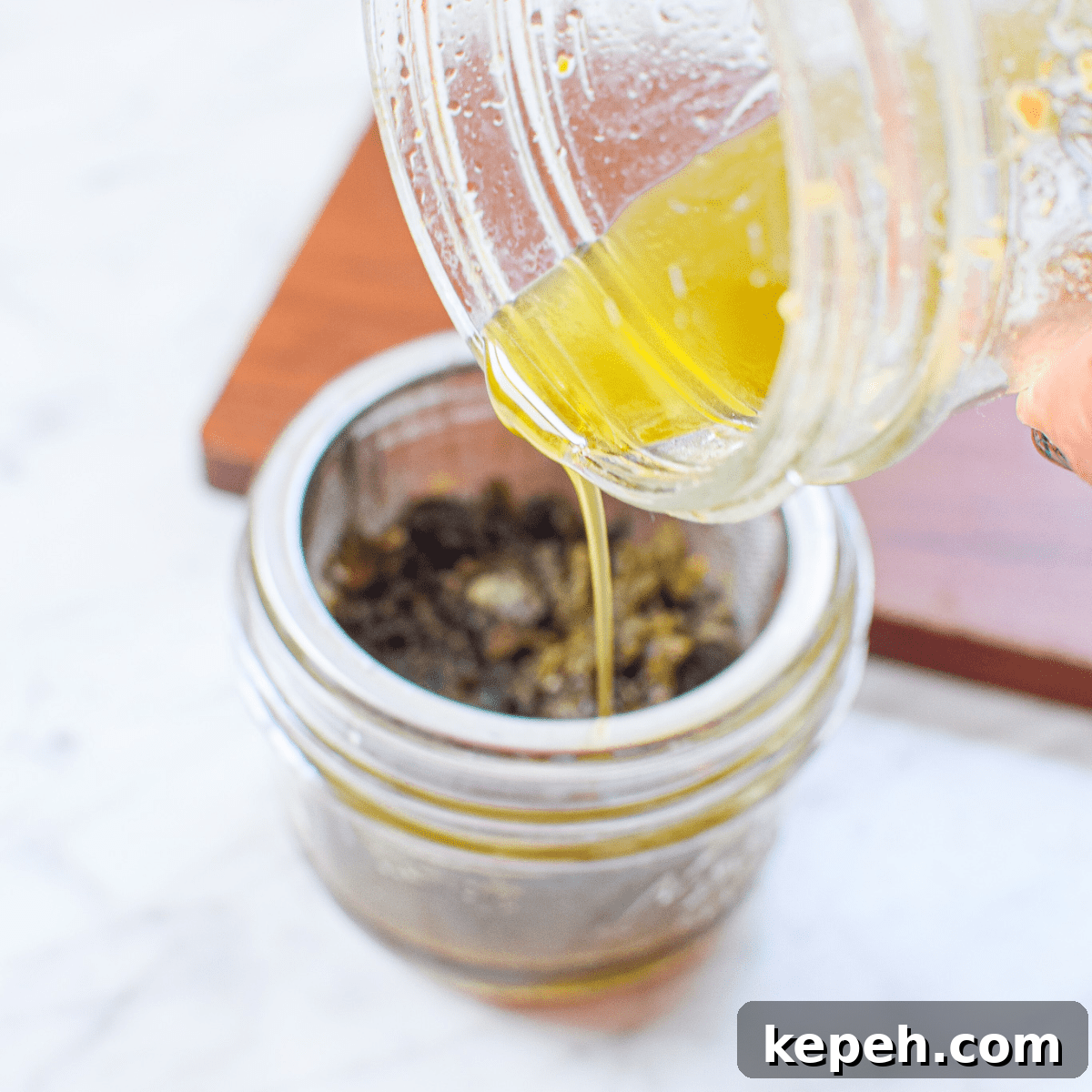
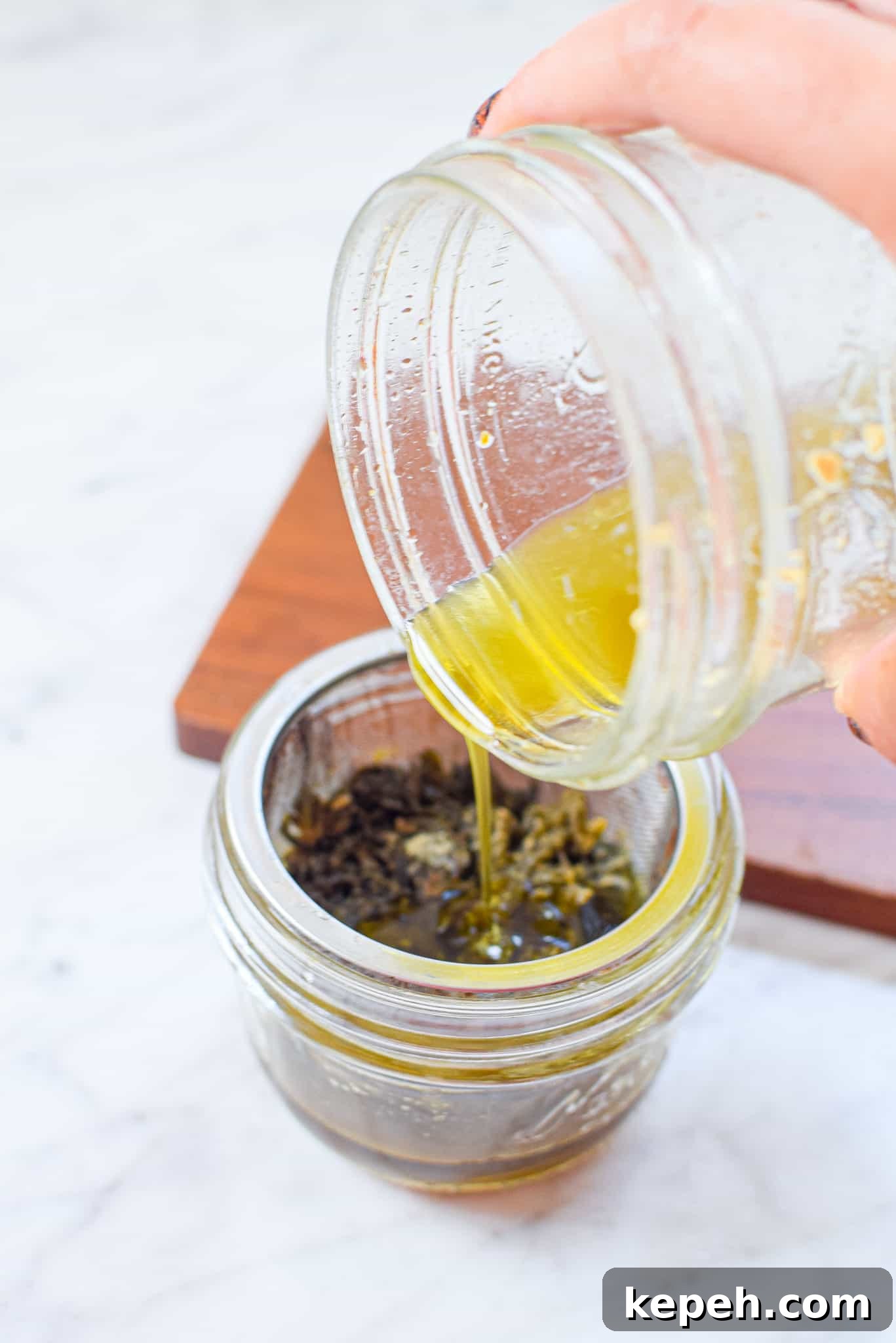
Step 4 – Let the mixture infuse for about 4 hours (or longer if you prefer). After infusing, strain the plant material and refrigerate or freeze the butter for storage.
Make Good Cannabutter the First Time
Preventing weak cannabutter starts before infusion. The following tips will help you achieve a potent, flavorful result on the first try.
Start with Quality Cannabis
Cannabinoid content in the flower determines potential potency. A flower with 23% THC will yield a much stronger butter than one with 10–12% THC, assuming equal weight. Use high-quality, properly cured flower for the best results.
Know Your Products
Different cannabis products extract at different strengths. Concentrates and kief can be far more potent per gram than flower, while trim and leaves extract less. Choose the form that matches the potency you want and account for it when calculating ratios.
Common potency ranking (most to least potent): concentrates, kief, flower, trim, fan leaves, stems/roots.
Explore Your Ratio
The ratio of cannabis to butter is a major factor in potency. Infusing the same amount of cannabis into less butter yields a stronger product. Use a flower-to-fat ratio guide and an edible dosage calculator to plan the strength you want.
Decarb
Decarboxylation converts THCA to active THC and is essential if you want an intoxicating effect. Bake or decarb your cannabis before infusing to unlock THC. If you prefer non-intoxicating benefits, you can skip decarb and retain cannabinoid acids like THCA and CBDA.
Go Low and Slow
During infusion, maintain a low, steady temperature to extract cannabinoids without degrading them. Aim for roughly 160–200°F (71–93°C). A water bath in a slow cooker or double boiler keeps temperatures gentle and stable, reducing the risk of burning off cannabinoids or terpenes.
What Not To Do
Avoid common mistakes that reduce flavor or potency when making cannabutter.
Do Not Grind
Grinding finely increases chlorophyll extraction and can leave a strong green, grassy taste. For infusions, break buds into small pieces by hand rather than pulverizing unless you plan to use the decarbed powder directly in a recipe.
Do Not Increase Heat Intensity
High temperatures can evaporate THC and destroy terpenes. THC begins to evaporate at temperatures well above typical infusion ranges, so keep heat low to preserve cannabinoids and aromatic compounds that shape the final effect.
Do Not Over-Steep
Steeping for excessively long periods can increase extraction of chlorophyll and other plant compounds that affect taste and color. If you prefer a milder flavor, stick to moderate infusion times and strain thoroughly.
Do Not Add Lecithin to Regular Butter
Adding lecithin to standard butter can cause separation of water and solids, creating a soupy texture. If you want to use lecithin for bioavailability, use it in recipes or with clarified butter/ghee where separation is less of an issue.
Notes & Expert Tips
- If you need higher doses for pain relief, consider concentrates or kief to increase THC per gram.
- Save leftover plant material after straining; it can be used in recipes where texture or flavor is acceptable, like brownies or pesto.
- Be cautious increasing THC — start low (2.5–5 mg THC) if you’re unsure. Adjust gradually and label portions clearly.
- Avoid microwaving butter to melt it; use a gentle water bath to maintain consistent temperature and preserve cannabinoids.
- Combining different strains can change effects; consider your goals when selecting flower.
How to Fix Weak Cannabutter
Equipment
-
Pint mason jars
What You Need
- 1 cup weak cannabutter any amount OK
- 7 grams decarbed cannabis flower adjust as needed
Instructions
-
Weigh and decarb the additional cannabis you plan to use.
-
Combine the decarbed cannabis with melted weak cannabutter in a mason jar.
-
Place the jar in a gentle water bath (crockpot, slow cooker, double boiler) and maintain low heat for about 4 hours.
-
Strain the plant material, cool the butter, and store in an airtight container in the fridge or freezer.
Notes
Frequently Asked Questions
Yes — the same re-infusion approach works for most cannabis-infused oils, including coconut oil, olive oil, and MCT oil: melt or warm the oil, add decarbed cannabis, and gently infuse.
Tinctures made with high-proof alcohol can be strengthened by using Green Dragon or Golden Dragon-style methods to re-extract cannabinoids with fresh plant material.
Dosing varies per person. If unsure, begin with a low dose such as 2.5–5 mg THC and adjust gradually. Use a dosage calculator to estimate milligrams per serving.
You can re-infuse multiple times, but extraction efficiency may diminish over repeated cycles. There isn’t a clear scientific threshold for how much fat can hold, so monitor potency and texture as you experiment.
Keep cannabutter in an airtight container in the refrigerator following the butter’s expiration date. For long-term storage, freeze in portioned wraps. At room temperature, use within 5–7 days.
Baking with cannabutter is generally safe: oven temperatures don’t directly equate to food core temperature. Standard baked goods like brownies and cookies still work; typical baking temperatures won’t instantly destroy cannabinoids.
Conclusion
Weak cannabutter can usually be salvaged. Re-infusing with decarbed cannabis or switching to a higher-potency input are practical solutions. With thoughtful decarbing, the right ratio, and gentle heat, you can turn a disappointing batch into a usable, flavorful product.
Take notes during each attempt so you can refine variables like flower quality, infusion time, and ratio until you find the method that consistently gives you the potency and taste you prefer.
More Cannabutter Articles For You
Shop with Emily
Shop Now: Bliss Cannabutter
Articles & How-To Guides
25+ Amazing Recipes Using Cannabutter
All Things Cannabutter
What Color Should Cannabutter Be?
All Things Cannabutter