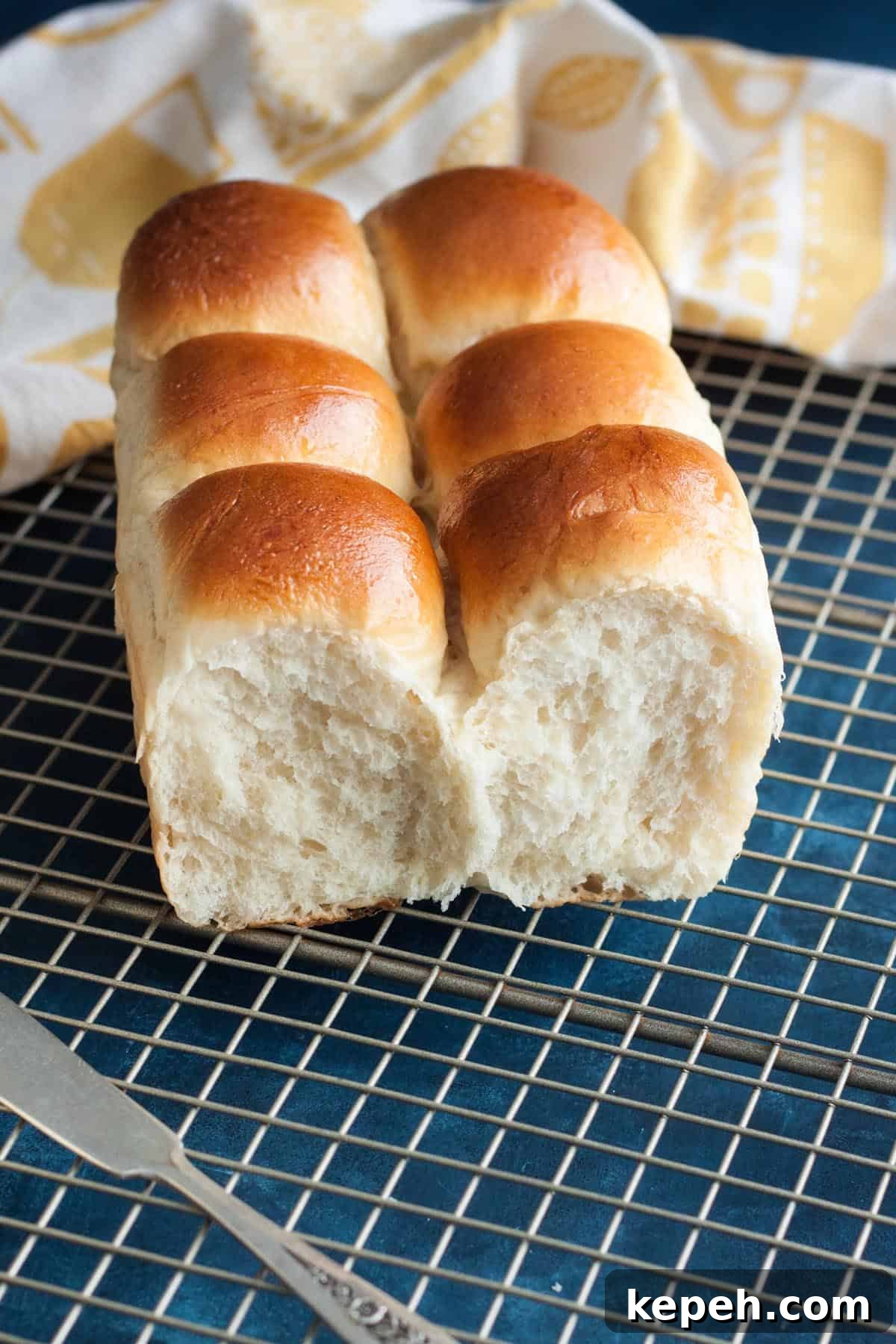
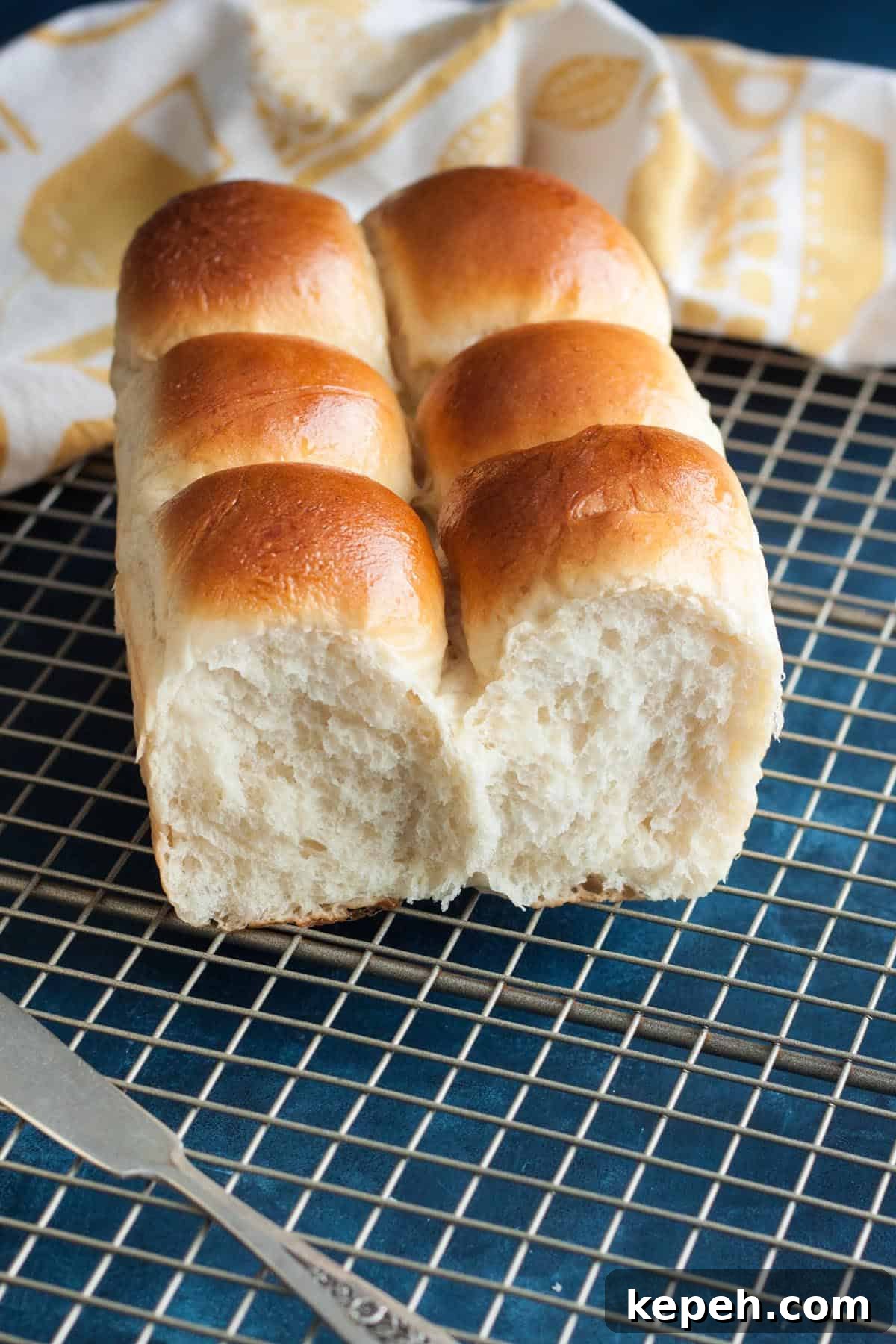
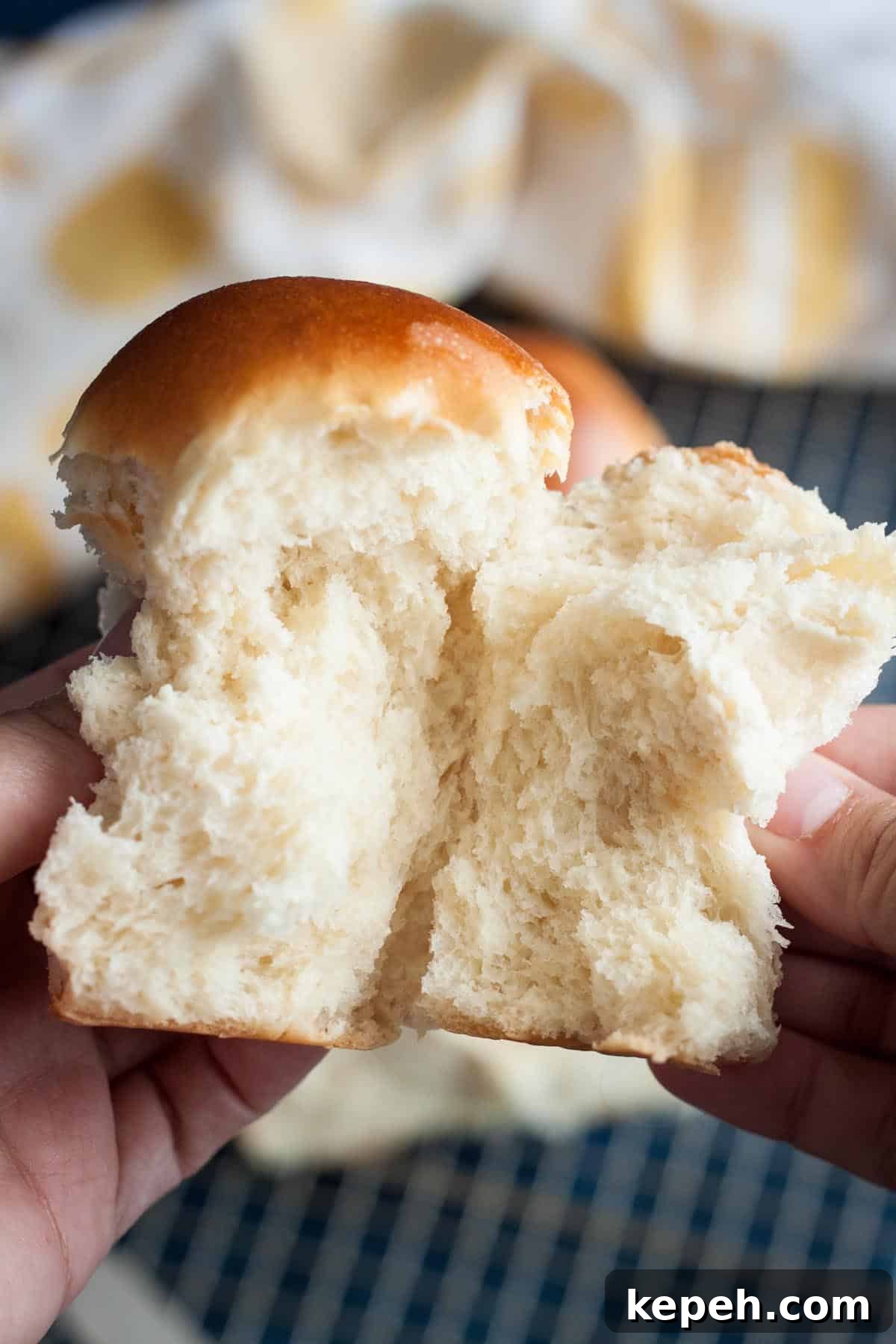
This Asian milk bread is incredibly soft, lightly sweet, and milky, yet very straightforward to make. It’s ideal for breakfast toast or sandwiches and the dough is versatile enough for sweet or savory uses.
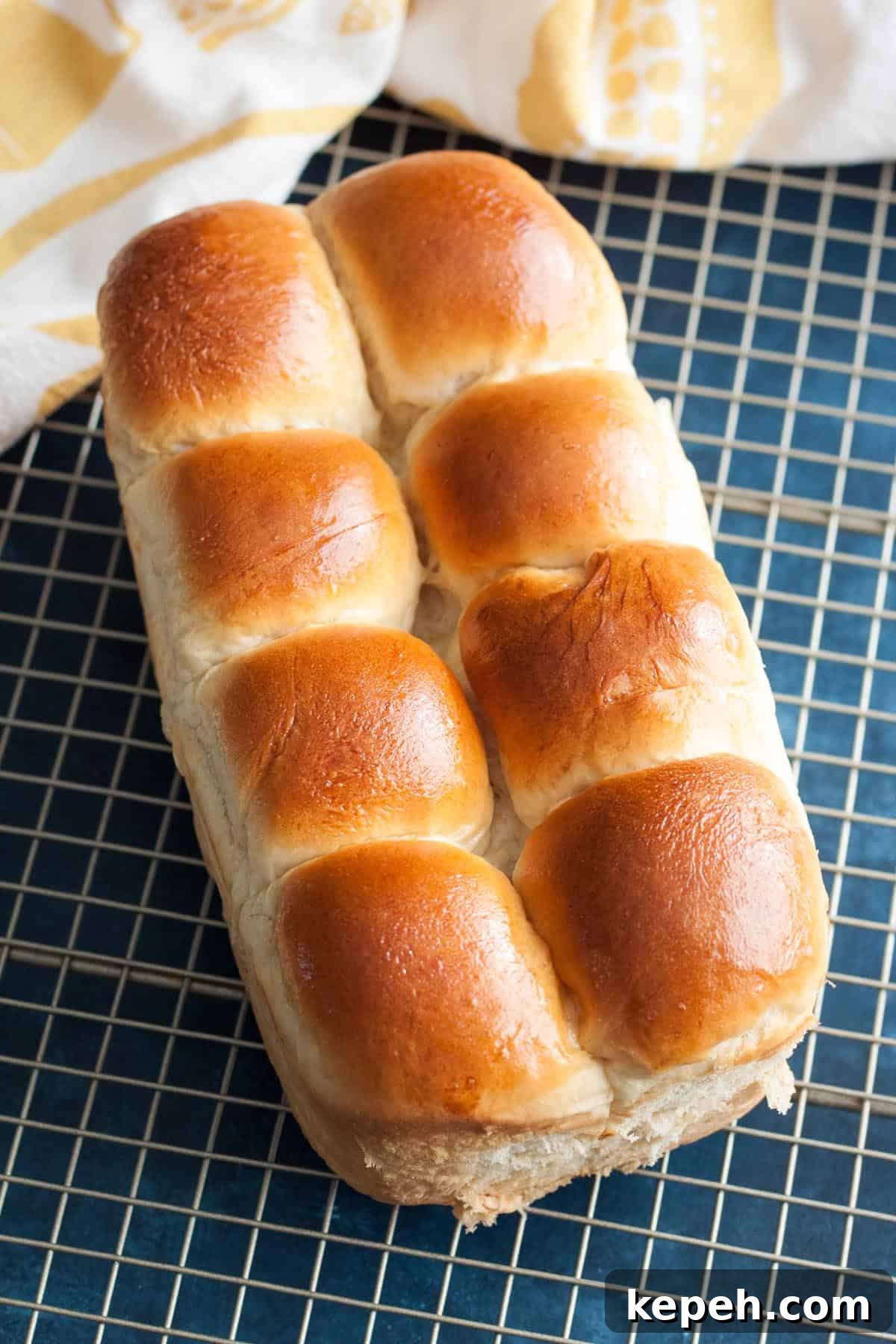
Table of Contents
- What is milk bread?
- What does milk bread taste like?
- Why you’ll love it
- Ingredients and substitutions
- Tools you’ll need
- How to make milk bread
- Troubleshooting tips
- Making the dough in advance
- Storage
- FAQs
- Recipes made with milk bread dough
- Milk Bread Recipe
What is milk bread?
Milk bread is a soft white bread that originated in Japan and is often called shokupan or Hokkaido milk bread. It’s widely available across Asian bakeries and is known for its pillowy texture and tender crumb.
Many traditional recipes use tangzhong, a cooked flour paste that helps retain moisture and creates a springy texture. This version skips tangzhong to keep the process simple while still producing a soft loaf.
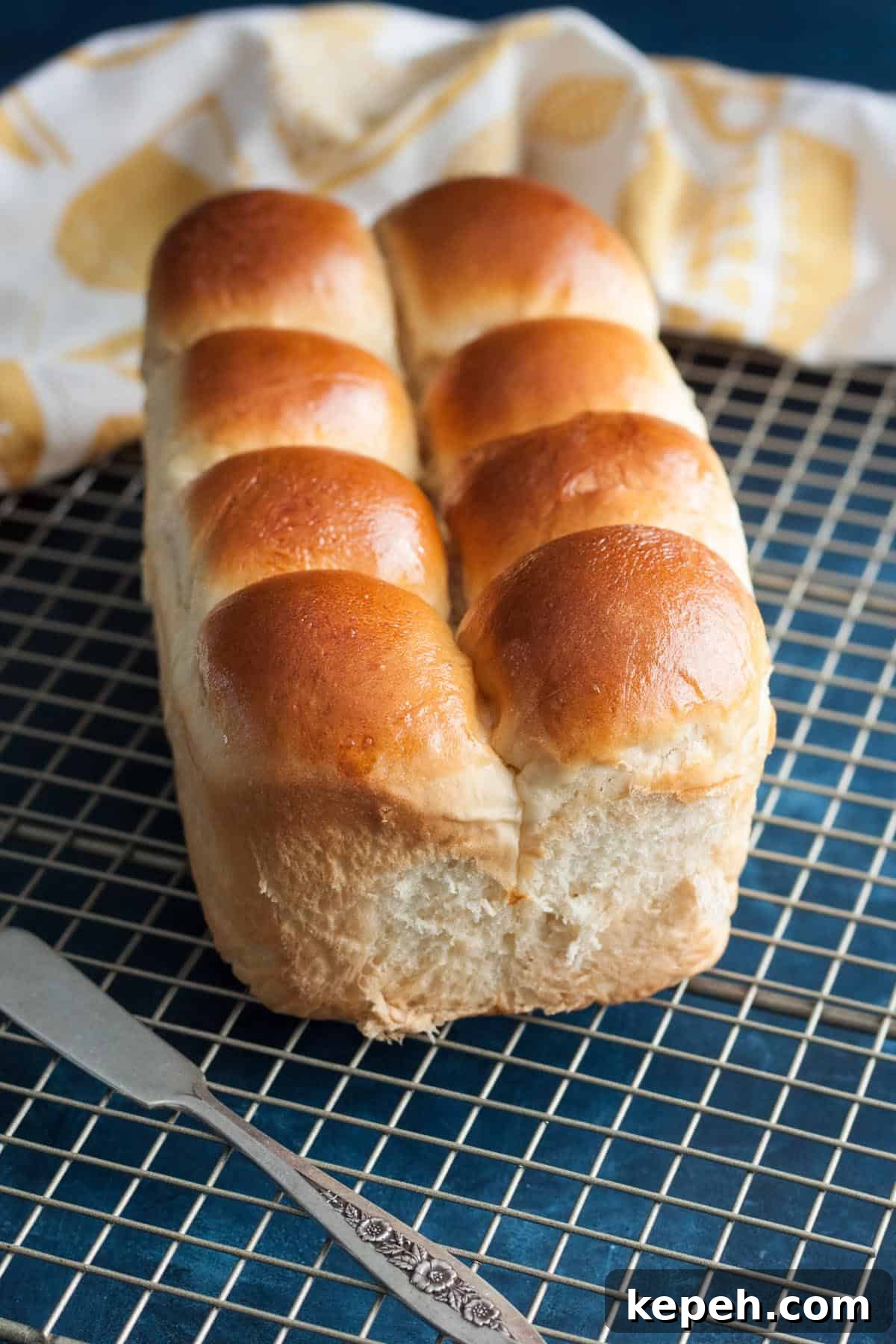
Milk bread can be baked as round-top loaves, open loaves, or square Pullman loaves. Slices tend to be wider and thicker than typical American sandwich bread.
What does milk bread taste like?
Expect a very soft, slightly sweet, buttery and milky flavor. Using milk (and cream in this recipe) as the main liquid gives the bread its characteristic richness and tenderness, making it perfect for both sweet and savory uses.
Why you’ll love it
- Makes one loaf — great if you’re baking for a small household without wasting bread.
- Not enriched with egg in the dough, so scaling the recipe is straightforward.
- Skips tangzhong for a simpler method without compromising softness.
- Delicious and stays moist for days.
This recipe simplifies homemade milk bread so you can enjoy bakery-quality results without an intimidating process.
Ingredients and substitutions
This version uses cream and milk for added fat and flavor but omits egg and butter in the dough. Below are key ingredient notes; refer to the recipe card for exact quantities.
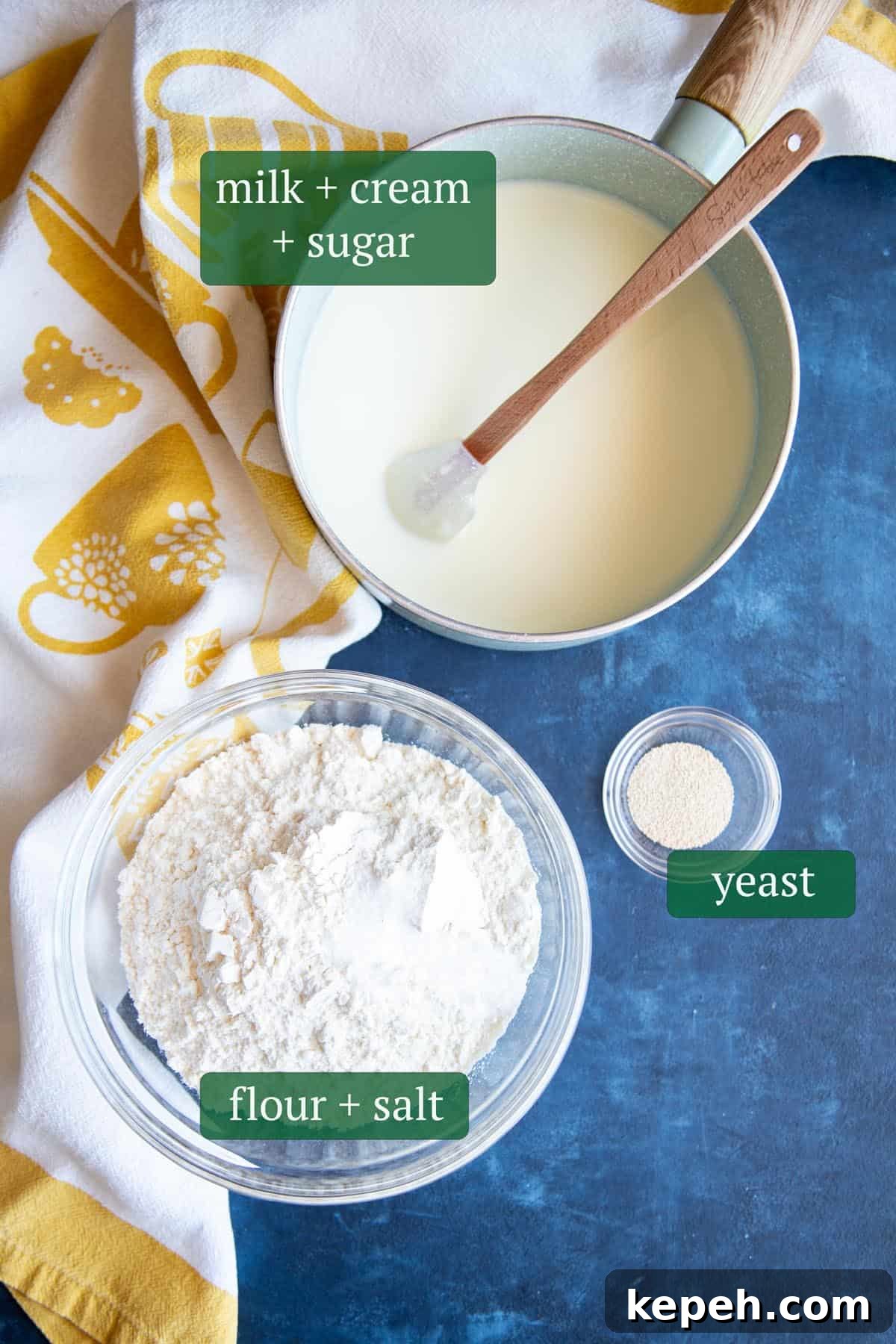
- Heavy whipping cream – Adds fat and a rich milky flavor. You can substitute half and half for a simpler one-ingredient swap.
- Milk – Use whole or 2% milk. Half and half can replace both cream and milk if preferred.
- Granulated sugar – Feeds the yeast and adds a touch of sweetness. Reduce if you prefer a less sweet loaf. Avoid liquid sweeteners like honey unless you adjust other liquids.
- Yeast – Active dry or instant yeast both work; blooming active dry yeast in warm liquid first assures it’s active.
- Flour – All-purpose flour is used here for convenience, though bread flour can yield a chewier texture.
- Salt – Kosher salt is recommended; if using table salt, reduce the amount slightly.
- Egg (optional) – The dough itself has no egg, but an egg wash before baking gives a glossy, golden crust. Milk or cream can be used instead for a lighter finish.
Tools you’ll need
- Stand mixer with a dough hook (or be prepared to knead by hand for 10–20 minutes).
- Loaf pan.
- Kitchen scale for accurate measurements.
- Thermometer to check liquid temperature and protect the yeast.
How to make milk bread
Below is a concise step-by-step overview. See the recipe card later for precise measurements and timing.
First, bloom the yeast
Heat the cream, milk, and sugar in a small saucepan until just simmering, stirring until the sugar dissolves. Remove from heat and cool the mixture to under 110°F so it won’t kill the yeast.
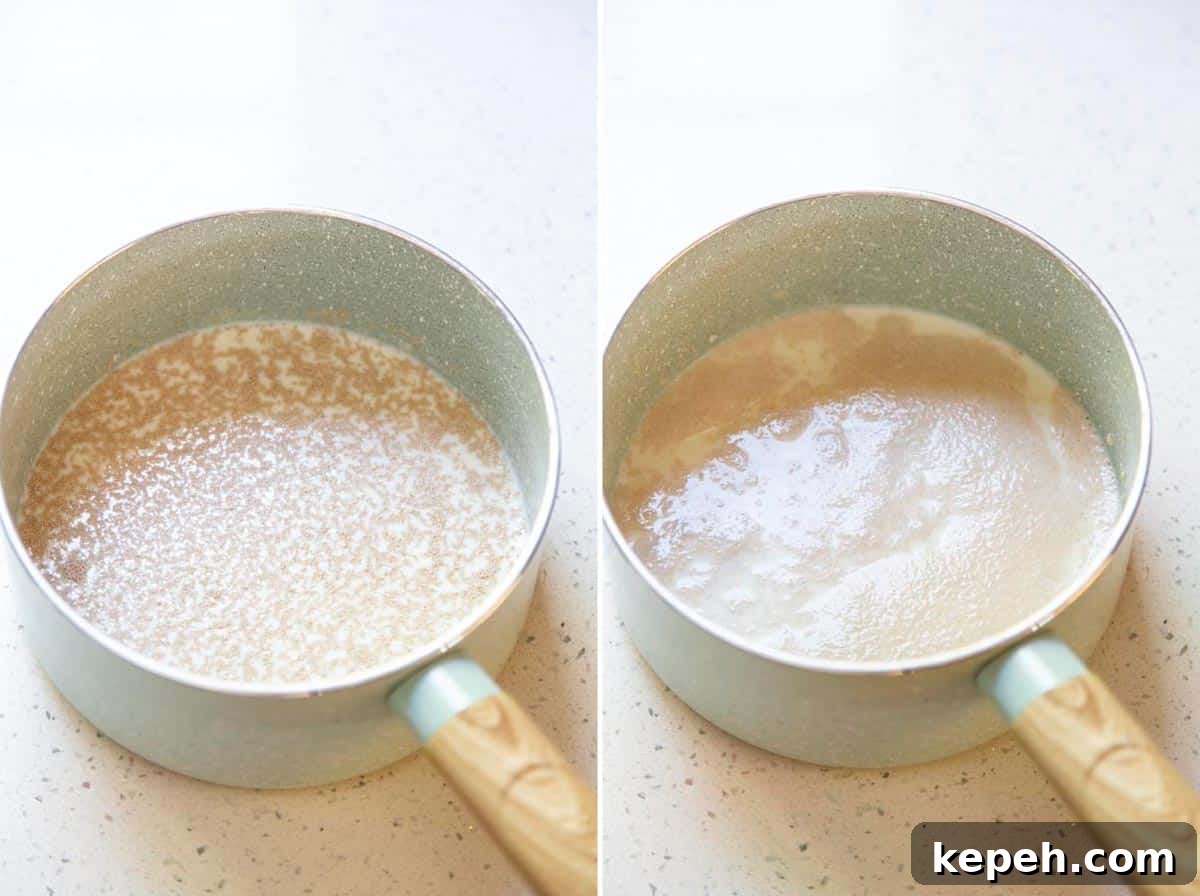
Sprinkle active dry yeast over the liquid and let it bloom for 10–15 minutes until it becomes puffy. Instant yeast will act faster.
Prepare the dough
Combine flour and salt in the stand mixer bowl. Add the bloomed yeast mixture and knead with the dough hook on low–medium speed for about 10 minutes until the dough comes together.
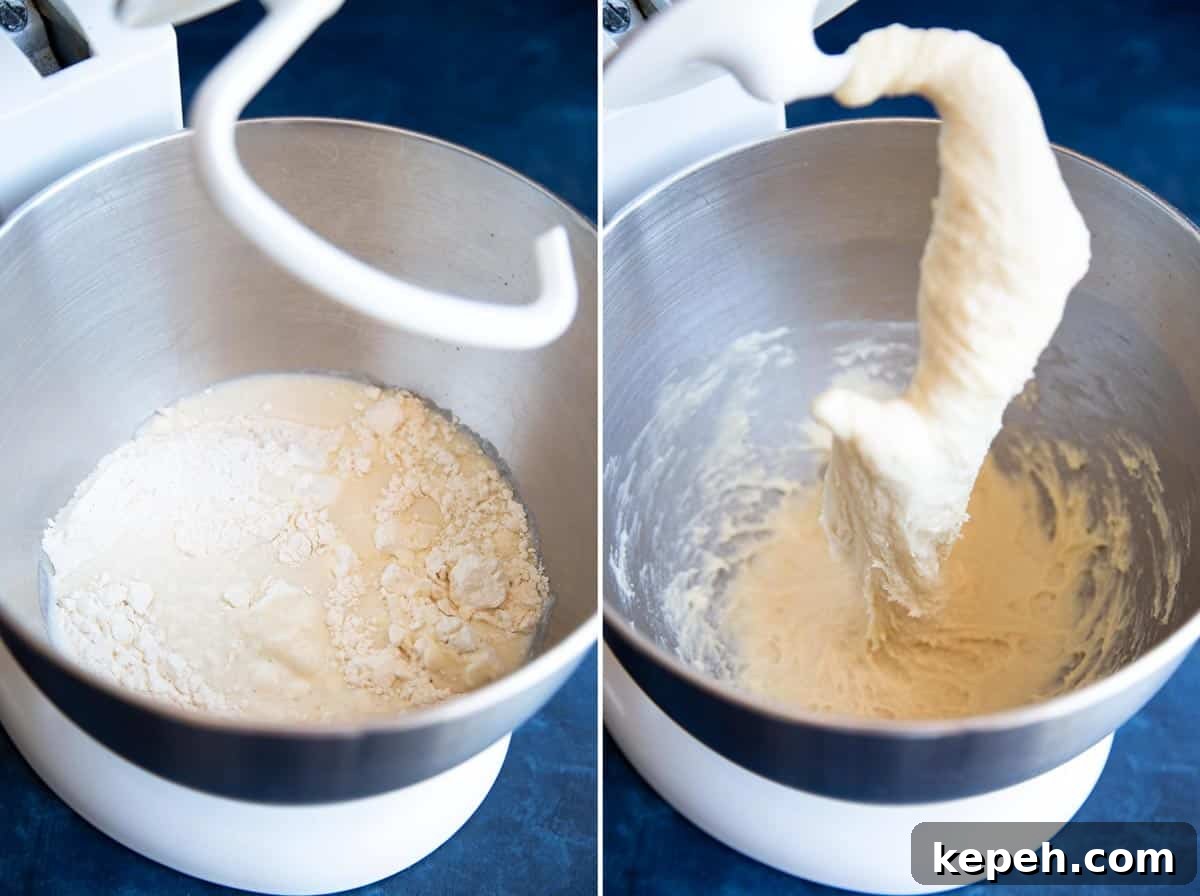
Tip: If the dough seems sticky, continue kneading. Some under-kneading reduces gluten formation and yields a softer loaf, so don’t overwork it if you prefer a very tender crumb.
First rise
Shape the dough into a ball, place it in an oiled bowl, cover, and let it rise in a warm spot for 1–2 hours until doubled in size.
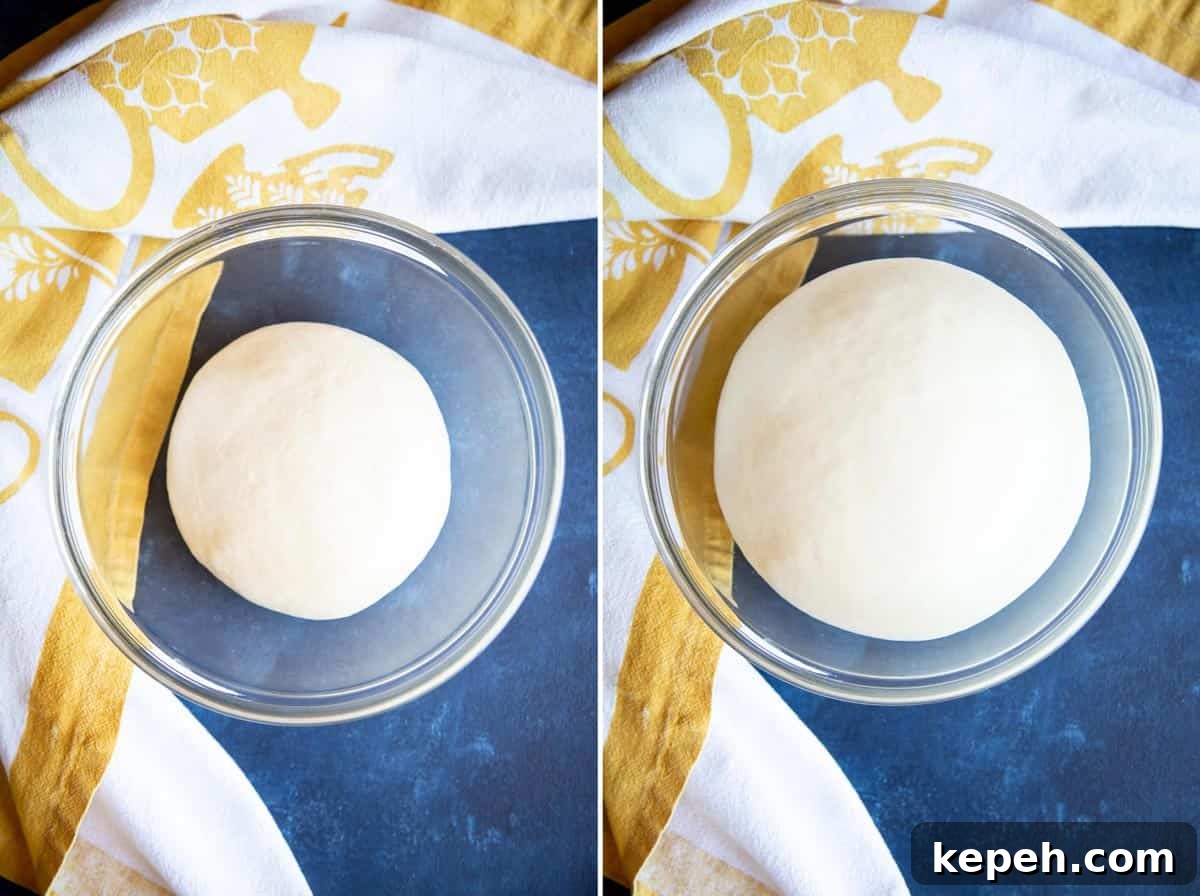
Tip: Use a little oil on your hands and work surface instead of flour when shaping; this prevents sticking without drying the dough.
Second rise
Turn the risen dough onto a lightly floured surface, divide into eight equal portions, and shape into balls. Arrange them in a greased loaf pan lined with parchment and let rise for another 1–2 hours until very puffy. You can also shape the dough as one large loaf if you prefer.
Bake the bread
Brush the top gently with egg wash (or milk/cream if skipping egg wash). Bake at 350°F for 24–25 minutes until the top is golden brown.
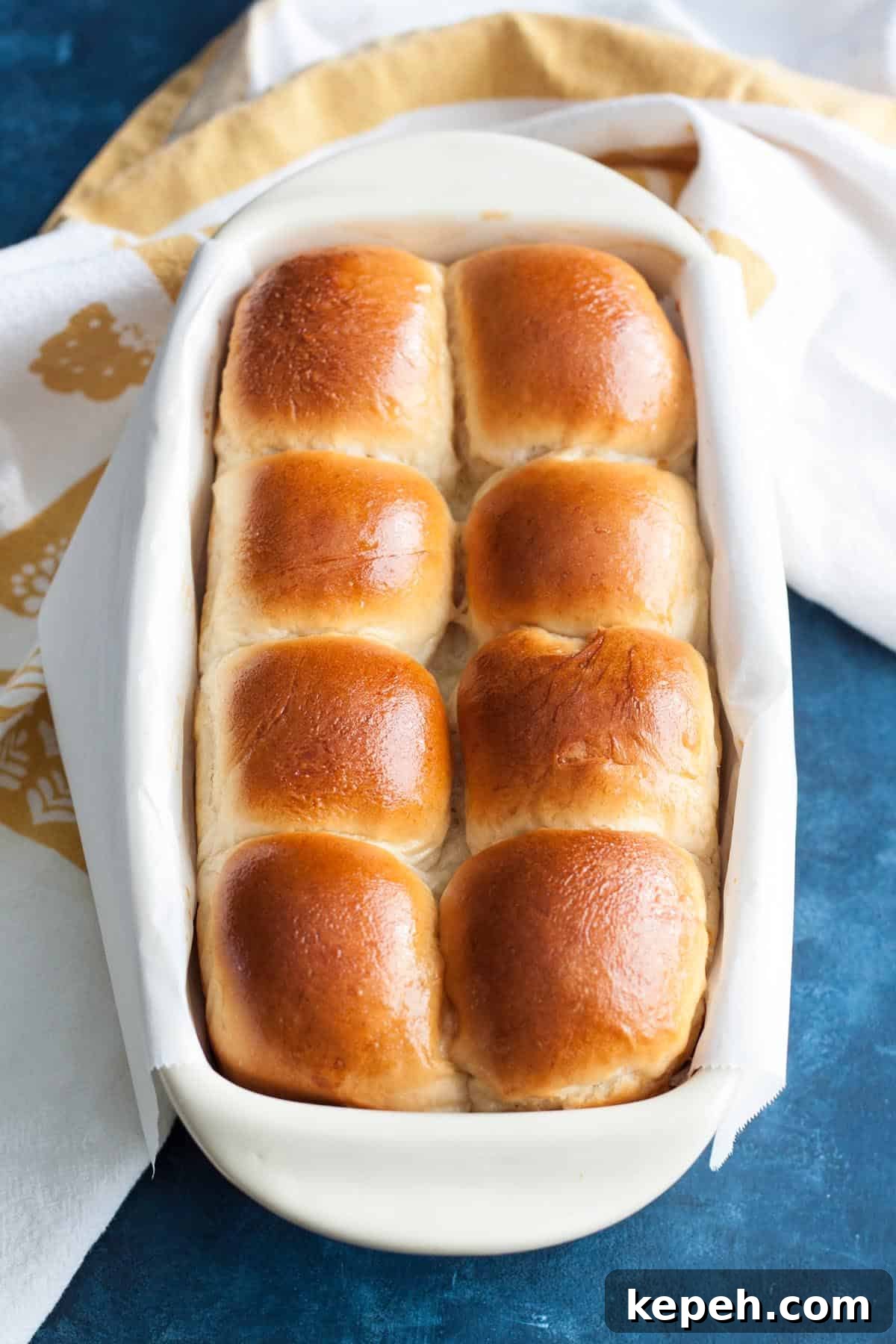
Optional: brush the hot loaf with a simple syrup (1 teaspoon sugar dissolved in 1 teaspoon boiling water) for extra shine and a touch more sweetness.
Troubleshooting tips
My bread doesn’t rise
- Always confirm your yeast is active by blooming it first. If it doesn’t puff, start over with fresh yeast.
- Keep liquid temperature below 110°F when adding yeast; hotter liquid can kill yeast.
- Rising times vary with temperature, humidity, and altitude; warmer conditions speed up rising.
My bread rises unevenly
- Divide the dough evenly—using a scale helps ensure consistent portions so the loaf rises and bakes uniformly.
- If dividing into equal balls is difficult, shape the dough into a single large loaf instead.
Making the dough in advance
You can prepare the dough the night before. Let it complete the first rise at room temperature, shape it for the second rise in the pan, let it rise halfway (20–30 minutes), then refrigerate overnight. In the morning, bring it to room temperature, finish the second rise, and bake. Avoid over-proofing during the second rise to prevent a deflated, dense loaf.
That said, this recipe typically finishes within 3–4 hours, so advance preparation isn’t necessary for most bakers.
Storage
- Room temperature: Store in a zip-top bag for 1–2 days. Slice only what you plan to eat to preserve moisture.
- Refrigerator: Keeps up to a week; store in a sealed bag and slice as needed.
- Freezer: Freeze the loaf pre-sliced so you can defrost individual slices. It will keep up to 3 months.
FAQs
This recipe omits tangzhong, eggs, and butter in the dough to simplify the process. Heavy cream and milk add the needed fat and milky flavor instead.
Tangzhong is a cooked flour paste that helps dough retain moisture. It’s optional — this recipe produces a soft loaf without it.
Milk bread uses milk (and cream) as the main liquid, while brioche relies on eggs and butter. Brioche is richer and typically requires longer kneading to incorporate butter.
One loaf or eight dinner-roll-sized portions. Double the recipe for two loaves or scale as needed.
Some readers report success with bread machines. Follow the recipe’s initial steps, then transfer ingredients to the machine and use a sandwich or basic bread program.
Yes. Use at least a small amount (e.g., 1 teaspoon) to feed the yeast, but you can reduce sugar for a less sweet loaf.
All cream will make a richer, denser loaf. Evaporated milk reduces richness. To make a vegan version, use plant-based milk plus added oil or vegan butter (about 1/4 cup oil with 3/4 cup plant milk to replace the cream and milk) to compensate for lost fat.
Recipes made with milk bread dough
- Soft pretzels and pretzel bites
- Macadamia coconut rolls
- Pani popo (Samoan coconut buns)
- Anpan (Japanese red bean buns)
- Oreo cinnamon rolls
Milk Bread
Equipment
- Stand mixer
- Loaf pan
- Saucepan
Ingredients
Bread dough
- ½ cup heavy whipping cream (118 g)
- ½ cup milk (whole or 2%, 118 g)
- ¼ cup granulated sugar (50 g)
- 1 teaspoon active dry yeast
- ¾ teaspoon kosher salt
- 2 cups all-purpose flour (265 g)
- Extra flour for rolling
Egg wash
- 1 whole egg
- 1 tablespoon milk
Simple syrup (optional)
- 1 teaspoon granulated sugar
- 1 teaspoon hot water
Instructions
- Add cream, milk and sugar to a small saucepan and bring to a simmer over medium heat, stirring occasionally. Turn off the heat and cool to below 110°F.
- Sprinkle active dry yeast over the liquid and let it bloom for 10–15 minutes until puffy.
- Add flour and salt to a stand mixer bowl, then add the yeast mixture and knead with a dough hook on speed 2 for about 10 minutes until the dough comes together.
- Scrape the dough onto a floured or oiled surface and shape into a ball.
- Place the dough ball in an oiled bowl, cover, and let rise in a warm place for 1–2 hours until doubled.
- Turn the dough onto a lightly floured countertop, divide into 8 equal portions, and shape into balls. Use a scale for accuracy if desired.
- Grease a loaf pan and line it with parchment, letting excess hang over the sides. Grease the parchment as well.
- Arrange the dough balls in the pan and let rise for another 1–2 hours until very puffy.
- Preheat the oven to 350°F.
- Beat one egg with a tablespoon of milk to make egg wash (or use milk/cream if avoiding egg). Lightly brush the top of the dough, being careful not to deflate it.
- Bake at 350°F for 24–25 minutes until the top is golden brown.
- Optional: dissolve 1 teaspoon sugar in 1 teaspoon boiling water and brush the hot loaf with this simple syrup for shine and extra sweetness.
Notes
- Substitute both cream and milk with 1 cup half and half if desired.
- Always confirm the yeast blooms when checking that it’s active before proceeding.
- Rising times depend on your environment—temperature, humidity, and altitude affect proofing speed.
- Use oil instead of flour when shaping to avoid drying the dough with excess flour.
Nutrition
Nutrition information is an estimate and should be used as a guideline.
 Like this recipe? Rate & comment below!
This post may contain affiliate links. For more details on affiliates, ads, and sponsored content, see the site’s disclosure policy. Thank you for supporting these recipes at no extra cost to you.