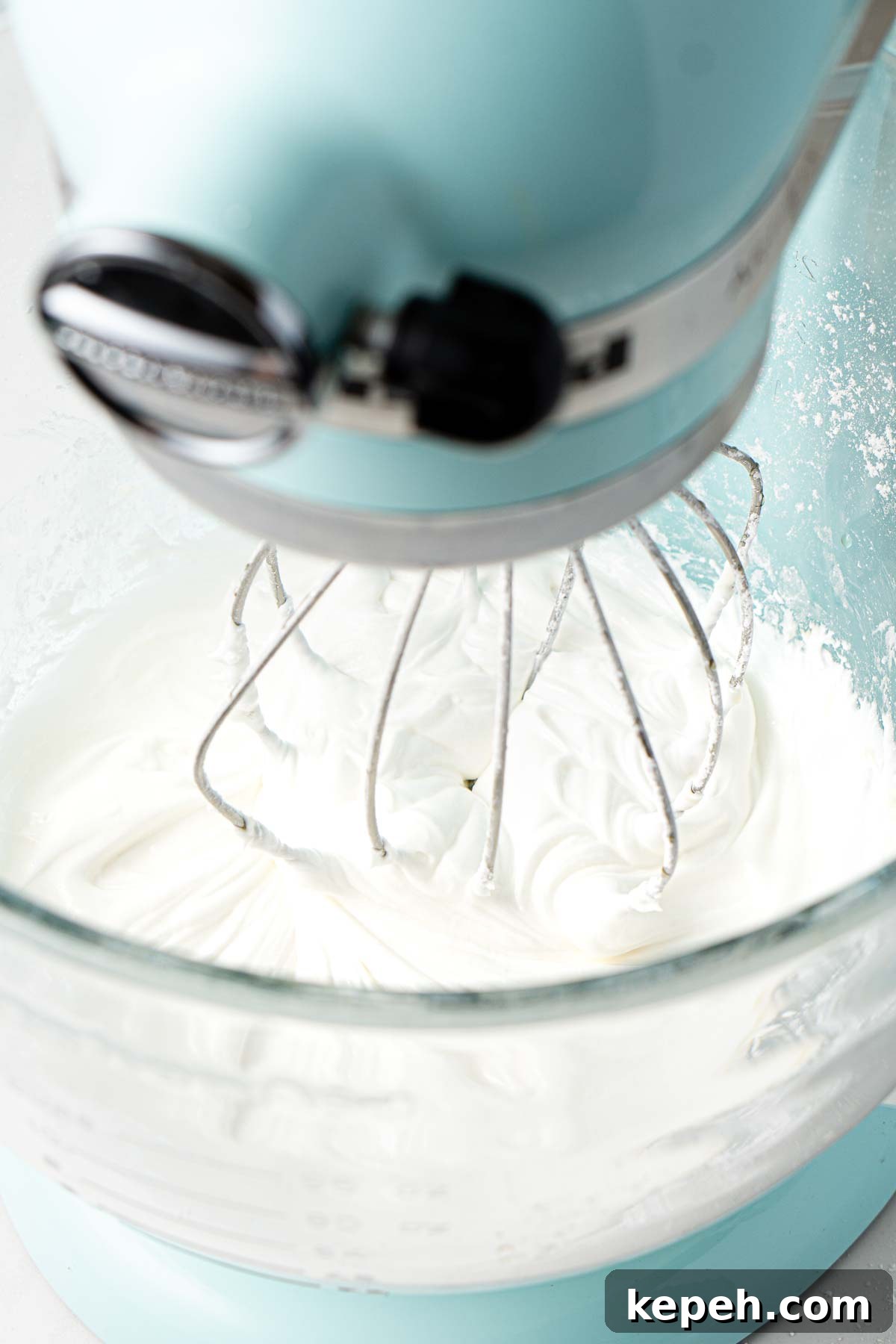
This royal icing recipe is my favourite for decorating sugar cookies. Made from common pantry ingredients, it tastes great, is simple to prepare and dries hard—perfect for detailed decorating and stacking cookies for storage or gifting.
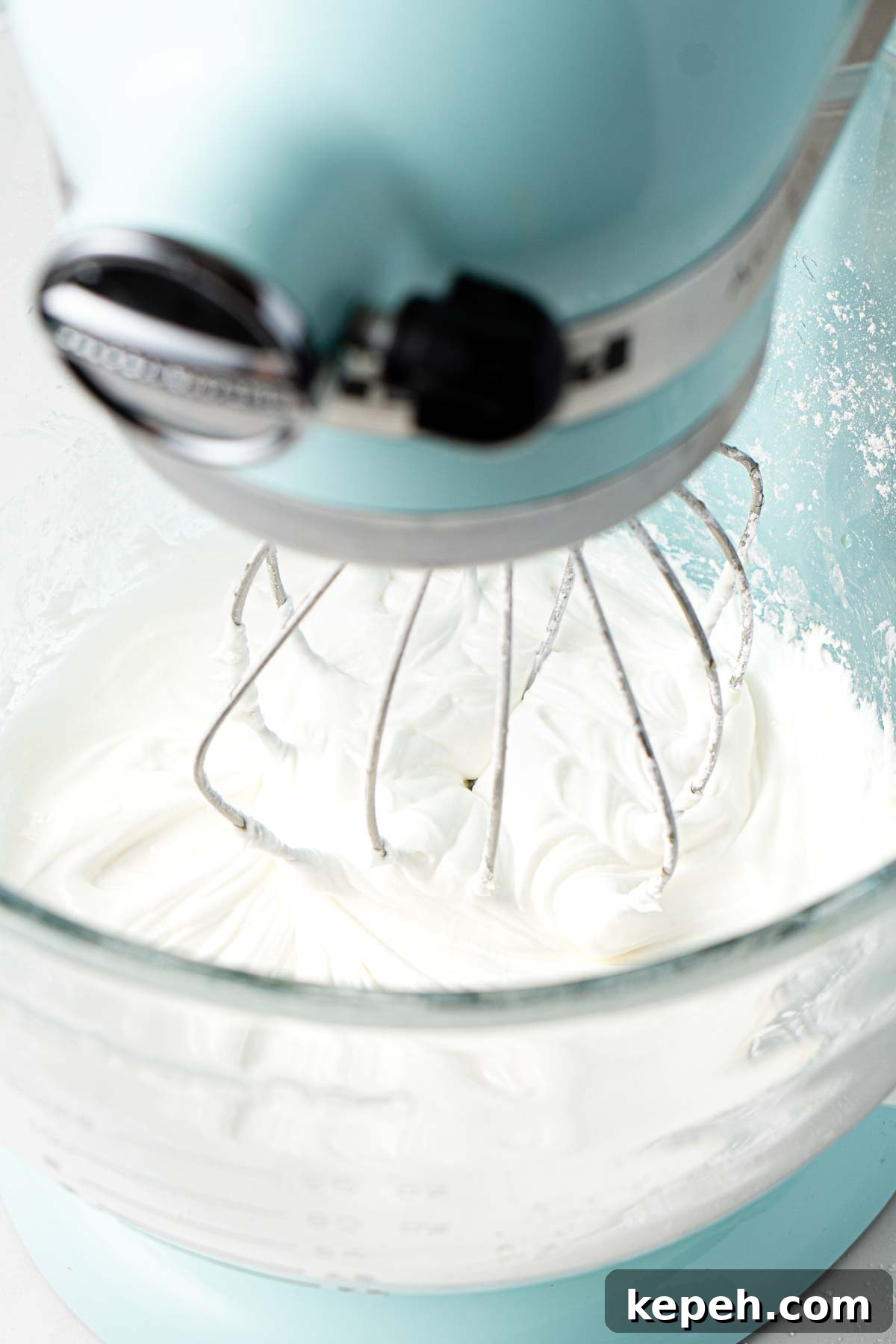
Baking and decorating cookies for holidays and celebrations is one of my favourite pastimes. For me, the season doesn’t feel complete until I’ve rolled out a batch of sugar cookies and decorated them in bright colours and pretty patterns. Using royal icing ensures crisp, clean details and a glossy finish that looks professional, even with simple piping techniques.
When decorating, an icing that sets firm is crucial. A hard-setting icing prevents your designs from smudging and lets you stack cookies without damaging the decoration. That makes transporting them or presenting them as gifts much more convenient.
So what exactly is royal icing?
Royal icing is a glossy, hard-drying icing commonly used to decorate cookies, cakes and gingerbread houses. It’s ideal for piping fine outlines and filling (flooding) areas because it holds shape when piped and flattens to a smooth surface when thinned for flooding. Once fully set it becomes firm and durable.
Traditional royal icing is made from egg whites, icing (powdered) sugar and a little flavouring such as vanilla or lemon. A touch of water is sometimes added to reach the correct consistency for either outlining or flooding.

Egg whites or meringue powder?
Classic royal icing uses raw egg whites. I prefer this method because it gives a silky, shiny finish and the ingredient is easy to source. An alternative is meringue powder, which is shelf-stable and convenient for some bakers. Meringue powder can be harder to find in some regions, so if you prefer that route, you can adapt recipes intended for powder.
If you’re uncomfortable with raw egg whites, pasteurised liquid egg whites sold in cartons are a safe and easy option. They require no separating and have a lower risk of foodborne bacteria because they’re pasteurised. I’ve used both fresh egg whites and pasteurised liquid whites and both produce excellent royal icing.
To reduce any risk when using fresh eggs, try to avoid getting shell fragments into the whites, use fresh eggs from a reputable source, and use the egg whites promptly rather than leaving them sitting at room temperature for an extended period.
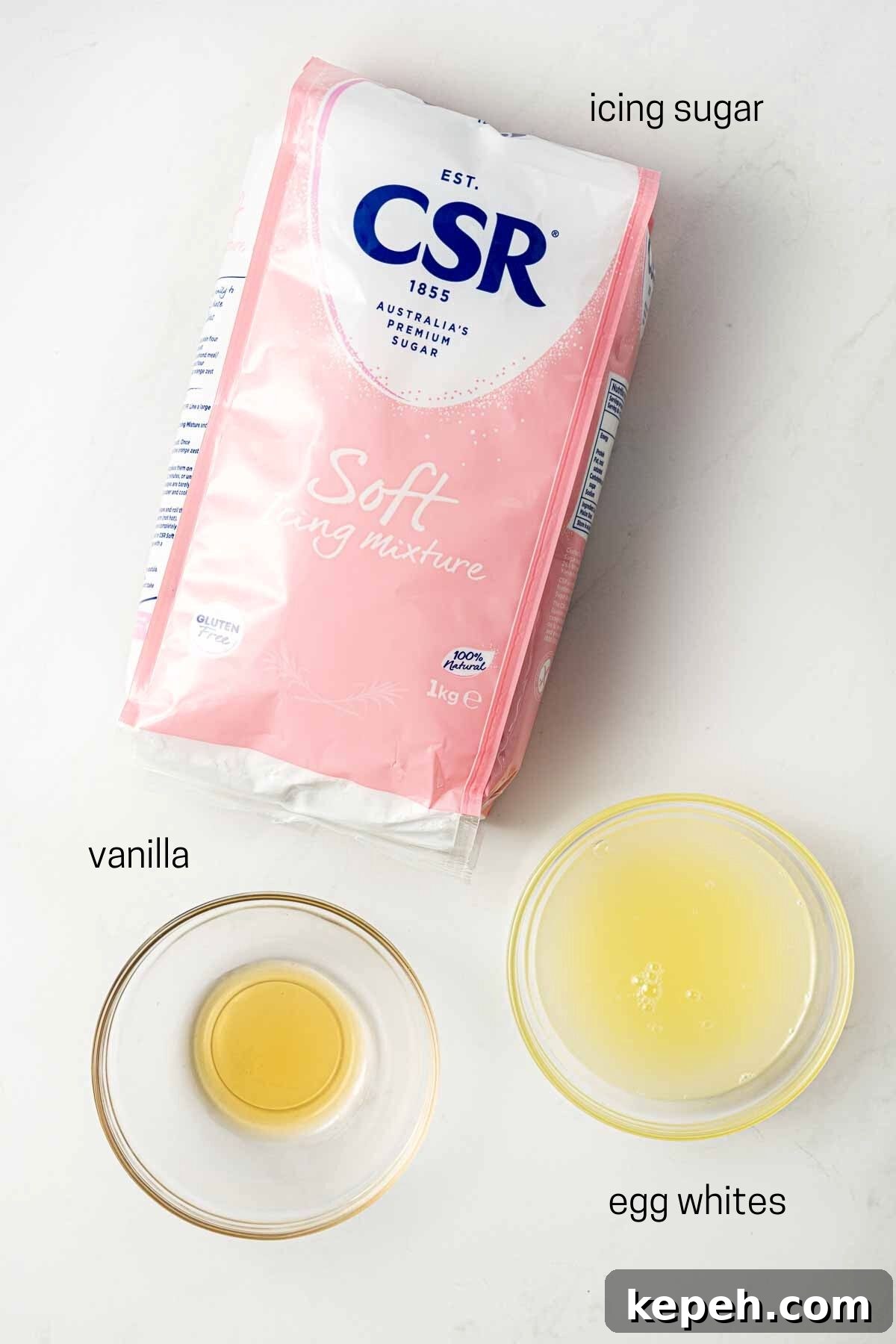
Ingredients for royal icing
This recipe uses just three main ingredients that you can find at most supermarkets:
- Egg whites – fresh or pasteurised liquid egg whites both work. They create the shiny, set finish that defines royal icing.
- Icing sugar (powdered sugar) – sifted to avoid lumps.
- Vanilla extract – optional but adds pleasant flavour.
Finish the icing with gel or paste food colouring to achieve vibrant shades without thinning the mixture. Gel colours require only a small amount and preserve the icing’s consistency.
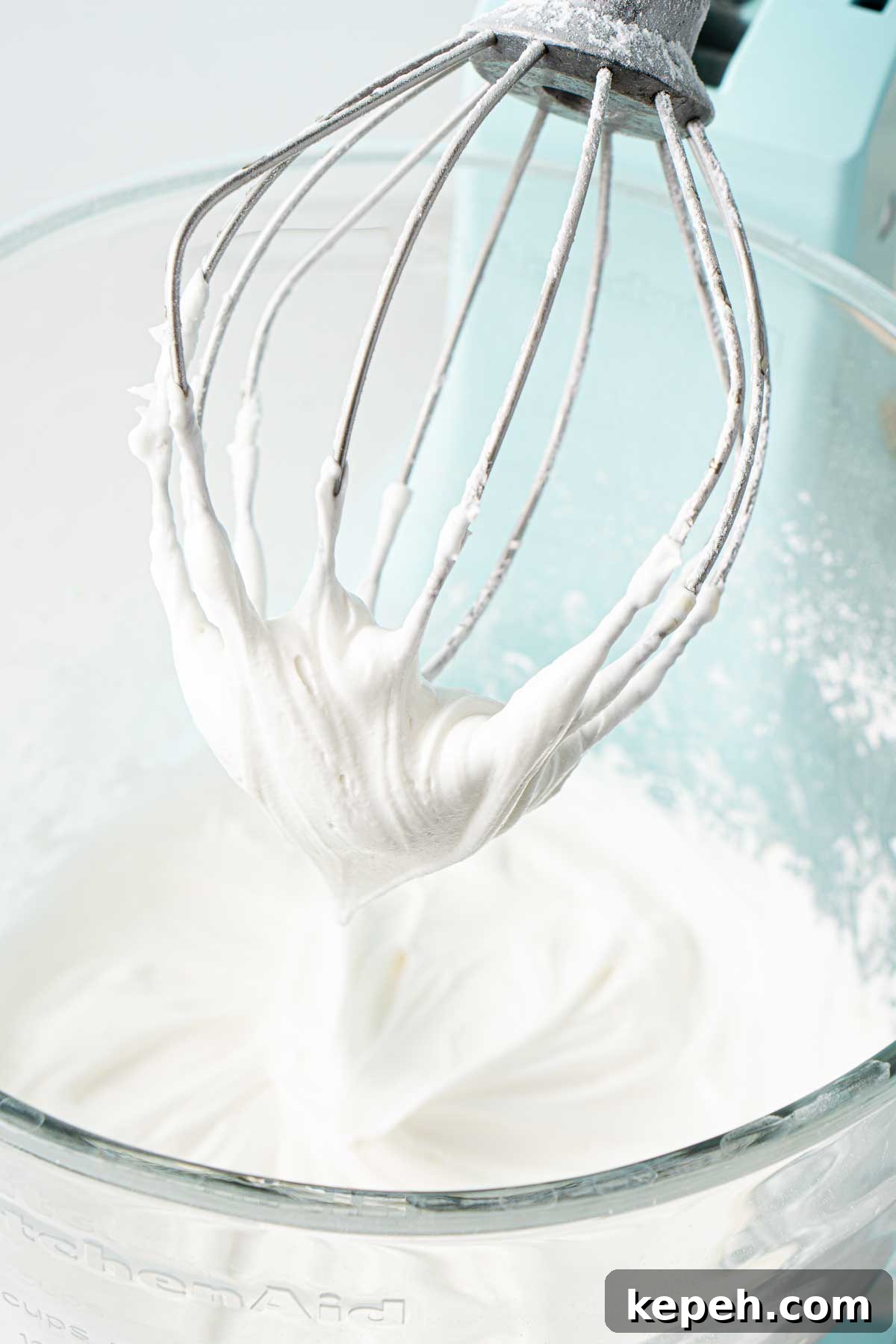
How to make royal icing
A stand mixer with a whisk attachment makes the process quick and easy, but a handheld electric mixer will also work.
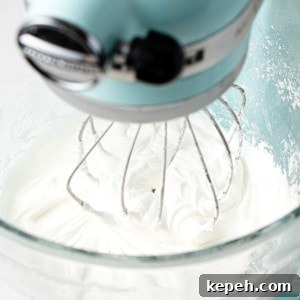
1. Place the egg whites in the mixer bowl and whisk until frothy. 2. Add sifted icing sugar a tablespoon at a time, allowing each addition to combine fully before adding the next. This gradual method prevents lumps and helps the icing become smooth and glossy. 3. Once all the sugar is incorporated, add vanilla and beat for another couple of minutes until the icing is thick, smooth and shiny. If the icing is too stiff for outlining, add a few drops of water at a time to reach the desired consistency—be careful not to add too much.
Separate the mixture into bowls for colouring as needed. For outlining, keep a thicker consistency so the icing holds its shape; for flooding, thin a portion of the icing to a pourable consistency that levels out smoothly inside the outlines.
Cover any unused icing with a damp tea towel or airtight wrap while you work so it doesn’t crust. Royal icing dries hard at room temperature; a thin crust forms within a couple of hours, and full hardness for stacking usually takes about 24 hours.

Decorating sugar cookies with royal icing
This icing is versatile: use it to pipe outlines, flood cookie interiors, add details after the base has set, or as the adhesive for gingerbread houses. Decorating generally follows two main steps:
Outline: Use a stiff consistency and a small round piping tip to pipe a raised border around the cookie. The outline contains the flood icing and defines the shape.
Flood: Once the outline has crusted, thin a portion of icing until it flows smoothly, then pipe or spoon it into the outlined area. The icing will spread to fill the space—use a piping tip, a small offset spatula or a toothpick to move the icing into corners and to remove air bubbles. After flooding, allow the base layer to dry completely before piping additional details on top.
Allow decorated cookies to dry thoroughly—around two hours to crust over and up to 24 hours to be fully set for stacking. In humid conditions the drying time may be longer; placing cookies in front of a fan can speed up the process.

A simple alternative
If you want a vegan option or prefer not to use egg whites, there are straightforward cookie icings made from powdered sugar and plant-based liquids that still set firm enough for decorating. These alternatives may not have the same high-gloss finish or flavour intensity as royal icing, but they are excellent substitutes when needed.
Recipe FAQs
Either the cookies weren’t completely cool when you piped, or the icing is too thin. Let cookies cool fully, and if the icing is soft, add more sifted icing sugar to thicken it until it pipes cleanly and holds its shape.
A small round tip is best for outlines and fine details. Try different sizes to match the level of detail you want—smaller tips for fine lines and slightly larger tips for faster filling.
Store unused royal icing in an airtight container in the fridge, where it will keep for up to three days. Before using refrigerated icing, bring it to room temperature and give it a good stir to restore the right consistency.

How to Make Royal Icing
Ingredients
- 2 egg whites
- 3 cups icing sugar sifted
- ½ teaspoon vanilla extract
- gel food colouring optional
Instructions
-
In a stand mixer fitted with the whisk attachment, place the egg whites and whip until frothy.
-
Add the icing sugar one tablespoon at a time, fully incorporating each addition before adding the next.
-
When all sugar is added, mix in the vanilla and beat a few minutes until the icing is thick, smooth and shiny. If it’s too stiff, add a little water very slowly until the desired consistency is reached, taking care not to make it too runny.
-
Colour the icing with gel or paste food colouring as needed for decorating.
Notes
Icing will crust at room temperature in about 2 hours but needs roughly 24 hours to be completely dry and sturdy for stacking.
On humid days drying can take longer; placing cookies near a fan helps speed drying.
Nutrition
|
Carbohydrates: 180g
|
Protein: 3g
Nutritional information is a guide only and calculated with automated tools; actual values depend on the ingredients you use.