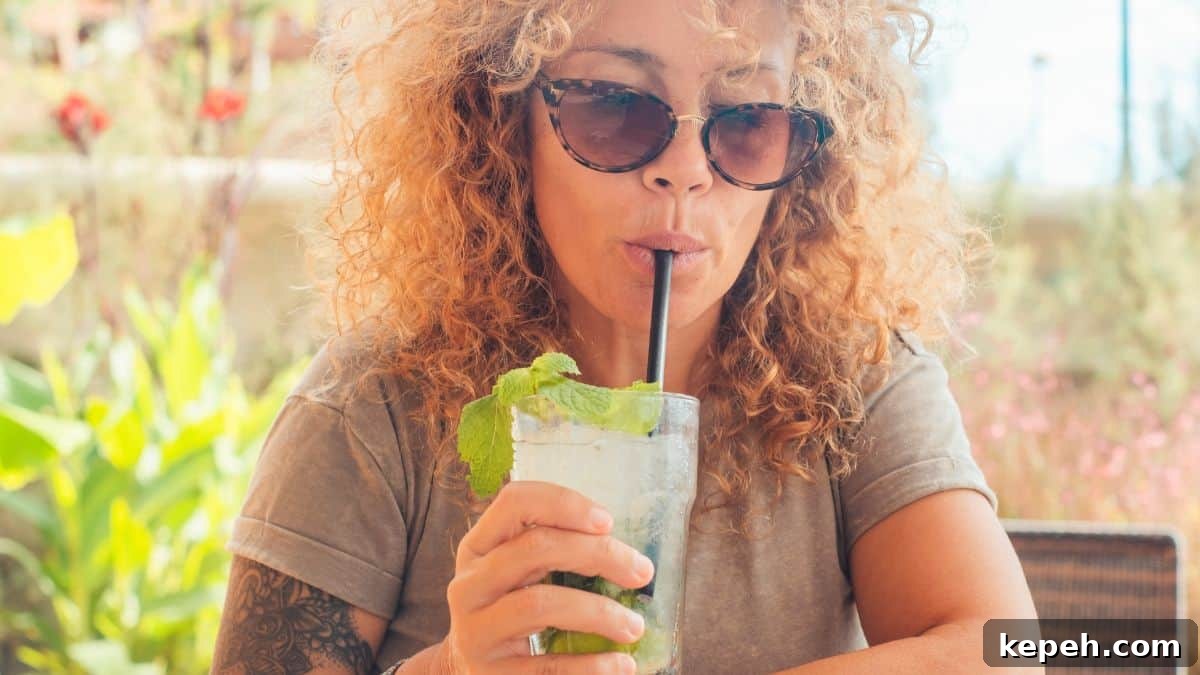
Mixology is often presented as an art, with bartenders around the world creating “signature” cocktails that promise distinctive flavors and memorable experiences. Yet if you’ve spent an evening sampling one inventive drink after another, you might notice a recurring truth: many of these cocktails end up tasting remarkably similar.
Behind elaborate garnishes, exotic names, and elegant glassware, common flavor building blocks frequently dominate. Sweet syrups, bright citrus, and the punch of strong spirits often drown out the subtler or unusual ingredients meant to define each cocktail.
While presentation and creativity remain delightful, the actual taste can blur into something familiar. Below is a look at popular signature cocktails and trends that often leave drinkers wondering whether they’ve been served the same drink in different packaging.
The Overuse of Citrus in Cocktails
Lime and lemon are staples in cocktail-making, from mojitos and margaritas to many upscale craft creations. Citrus balances sweetness and adds a refreshing acidity, but when it’s used as the primary balancing agent, many drinks end up with the same tangy backbone. Even when paired with herbs, bitters, or unique syrups, the citrus note can dominate and make one cocktail resemble another. Bartenders value citrus for its reliability, but for customers it can reduce distinctiveness.
The Sweet Trap of Simple Syrup
Simple syrup underpins countless cocktails, from classics like the daiquiri to countless house specials. It smooths and balances, but it also creates a familiar sweetness that often masks delicate flavors. Exotic liqueurs or rare fruits can be rendered indistinct once sugar takes center stage. The palate tends to remember sweetness above subtlety, making many cocktails feel interchangeable despite their inventive listings.
Vodka as the Blank Canvas
Vodka’s neutral profile makes it a go-to base for signature drinks, but that neutrality is a double-edged sword. Bartenders rely on mixers—cranberry, pineapple, orange, or lemon-lime soda—to give the drink identity, and those same mixers are used across menus. The end result: a raft of vodka-based drinks that overlap in flavor whether labeled as a creative house cocktail or a simple highball.
The Gin and Tonic Problem
Gin carries botanical complexity, yet in many modern cocktails those botanicals are muted by tonic, citrus, or heavy sweetening. Bars advertise gin drinks with lavender, cucumber, or basil, but mixed into common bases they often read as lightly flavored gin and tonics. The effervescent bite of tonic and the citrus lift can obscure the herbal or floral notes that define a truly distinctive gin cocktail.
Margaritas in Disguise
Margaritas are beloved, and many menus simply present variations on that classic: swap lime for grapefruit, add a flavored salt rim, or infuse with chiles or fruit. Despite surface differences, these drinks retain the core trio of tequila, citrus, and sweetness. A watermelon margarita and a blood orange margarita will often deliver the same structural experience, making many so-called innovations feel like mild rebrandings rather than reinventions.
Mojito Look-Alikes
The mojito’s mint-lime-sugar formula has inspired countless spin-offs, and most of them stay close to that refreshing template. Adding berries, tropical fruit, or flavored rums rarely breaks the dominant mint-lime balance, so blueberry mojitos, mango mojitos, and passionfruit versions tend to deliver similar impressions. Bartenders keep relying on this crowd-pleasing formula, which can leave adventurous drinkers wanting more distinction.
The Illusion of Exotic Liqueurs
Menus often tout rare liqueurs—elderflower, amaro, crème de cassis—as the centerpiece of a signature drink. In practice, those subtle liqueur notes are frequently overwhelmed by citrus, sugar, or strong mixers. Customers may struggle to identify the claimed “special” ingredient because the dominant flavors are the same as in many other cocktails, creating the impression of uniqueness on the menu that doesn’t always match the glass.
Overreliance on Bitters
Bitters are a popular tool for adding complexity, but their concentrated profiles—Angostura, orange, or herbal blends—can leave a pronounced, medicinal or spicy aftertaste. When bitters become the signature touch, they can make otherwise distinct drinks taste similar by imparting the same sharp finish. Instead of opening new flavor pathways, heavy use of bitters sometimes narrows them.
Fruit Juice Overload
Fresh juices—orange, cranberry, pineapple, grapefruit—are marketed as elements that set cocktails apart, but their bold flavors often dominate the glass. Even fresh-squeezed juices add a pronounced sweetness and acidity that can smother subtler components. A cocktail featuring cranberry juice can taste very similar regardless of whether its backbone is vodka, rum, or gin, because the juice becomes the defining note.
Champagne and Sparkling Mixes
Sparkling cocktails project glamour, yet bubbles frequently become the most memorable trait. Champagne, prosecco, or club soda lighten a drink but also dilute complex flavors, so many sparkling mixes end up resembling mimosa-style offerings. Bellinis, Kir Royales, and custom sparkling blends often sit in the same flavor category despite different ingredients and descriptions.
The Whiskey Sour Copycats
The whiskey sour’s balance of whiskey, lemon, and sugar has spawned numerous riffs. Swapping bourbon for rye or adding flavored syrups yields only modest changes to the core tart-sweet structure. Egg whites or bitters may adjust texture and finish, but the signature sour framework keeps many variations feeling closely related rather than radically new.
Frozen Cocktail Uniformity
Frozen cocktails look striking, but blending often reduces nuance. Icy texture mutes subtleties and highlights sugar, producing slushy drinks that taste similar whether labeled a frozen margarita, strawberry daiquiri, or tropical blend. Color and presentation vary, yet the palate frequently recognizes the same frozen-sweet pattern beneath.
Espresso Martini Mania
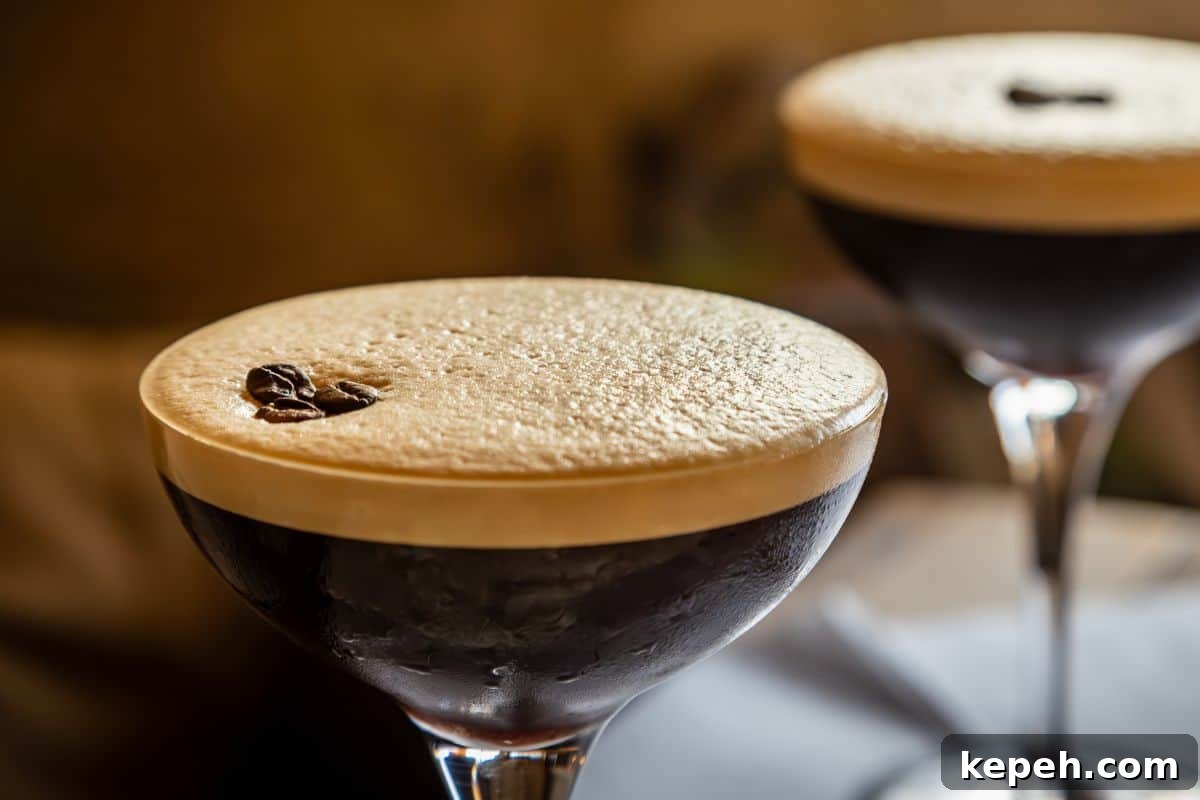
The espresso martini’s resurgence has spawned many coffee-forward cocktails, and coffee’s intense roasted bitterness tends to dominate every version. Whether mixed with vanilla vodka, hazelnut liqueur, or chocolate notes, coffee often overwhelms supporting ingredients. The result is a cluster of coffee cocktails that taste very similar despite different names and small variations.
Herbal Overlap in Signature Drinks
Herbs such as rosemary, basil, and thyme are used to add a distinct touch, but when combined with citrus and sugar they often play a similar aromatic role across drinks. A rosemary gin fizz and a basil-infused vodka sour can share comparable flavor territory: an herbal whisper layered over a citrus-sweet base. Herbs enhance the experience but rarely transform the flavor landscape completely.
Craft Cocktail Sameness
Craft cocktails promised experimentation and originality, yet many menus now lean on well-worn formulas: citrus, sugar, vodka, gin, and bitters. Bartenders dress these foundations with creative names, poetic descriptions, and eye-catching garnishes, but the underlying flavors remain familiar. These drinks often taste excellent, but they can fall short of the distinctiveness their descriptions imply, creating the sense of variety without a truly different experience.
In short, cocktail creativity often lives in presentation and concept more than in radically novel flavor profiles. Recognizing the common ingredients and techniques that produce this sameness can help drinkers seek out bars and bartenders that intentionally diverge from the usual building blocks, or request modifications that highlight the unique elements they want to taste.